
Introduction to Basant Ritu in Hinduism
Basant Ritu in Hinduism represents the vibrant and life-affirming spring season, a time when nature awakens from winter dormancy and the world fills with color, fragrance, and renewed energy. In the Hindu seasonal calendar (Ritucharya), Basant Ritu is regarded as one of the most auspicious and joyful periods, symbolizing rebirth, creativity, prosperity, and spiritual growth.
The word Basant or Vasant means spring, while Ritu means season. Together, Basant Ritu signifies a phase of balance, harmony, and transformation. Ancient Hindu scriptures, Ayurveda, and cultural traditions describe this season as ideal for spiritual practices, celebrations, and aligning human life with the rhythms of nature.
Basant Ritu in Hinduism is closely associated with major festivals such as Vasant Panchami, Holi, and Shivratri, each reflecting different spiritual and cultural dimensions of spring.
Also Read :- Surya Uttarayan 2026: Spiritual Meaning & Astrology Impact
Duration of Basant Ritu According to Hindu Calendar
In the traditional Hindu calendar, a year is divided into six seasons (Shadrutu), each lasting approximately two months.
Basant Ritu Months
- Magha (माघ)
- Phalguna (फाल्गुन)
According to the Gregorian calendar, Basant Ritu generally falls between mid-January to mid-March.
This period marks the transition from cold winter to warmer days, bringing pleasant weather, blooming flowers, and agricultural abundance.
Importance of Basant Ritu in Hinduism
Basant Ritu holds immense importance in Hinduism because it represents natural balance and spiritual renewal. Ancient sages believed that nature and human consciousness are deeply interconnected, and Basant Ritu offers the best opportunity to realign the body, mind, and soul.
Key reasons for its importance include:
- Revival of life energy (Prana)
- Balance of bodily doshas
- Favorable time for spiritual sadhana
- Celebration of divine creativity
- Agricultural prosperity and growth
Spiritual Significance of Basant Ritu
The spiritual meaning of Basant Ritu in Hinduism goes far beyond seasonal change. It symbolizes inner awakening and transformation.
Key Spiritual Themes
- Renewal of faith and hope
- Awakening of dormant spiritual energy
- Growth of positive thoughts
- Harmony between nature and consciousness
Spring is considered a time when Sattva Guna becomes dominant, promoting clarity, peace, and devotion.
Basant Ritu and Ayurveda (Ritucharya)
Also Read :- Akshardham Temple Delhi 2026: Architecture, Light Show & Darshan Guide
Ayurveda places great emphasis on seasonal living. According to Ayurvedic Ritucharya, Basant Ritu is dominated by Kapha Dosha, which can accumulate during winter.
Ayurvedic Guidelines for Basant Ritu
- Light, warm, and easily digestible food
- Use of honey, ginger, turmeric
- Avoid heavy, oily, and cold foods
- Regular physical activity
- Herbal detoxification
Following these practices helps maintain physical health and mental balance.
Major Festivals Celebrated During Basant Ritu
Basant Ritu in Hinduism is celebrated through vibrant festivals that reflect joy, devotion, and community spirit.
Vasant Panchami: Festival of Knowledge and Wisdom
Vasant Panchami marks the formal beginning of Basant Ritu. Dedicated to Goddess Saraswati, the deity of knowledge, wisdom, and arts, this festival is observed on the fifth day of the bright fortnight of Magha month.
Significance of Vasant Panchami
- Worship of Goddess Saraswati
- Beginning of education for children (Vidyarambh)
- Celebration of learning and creativity
- Use of yellow color symbolizing energy and prosperity
Holi: Festival of Colors and Joy
Holi is the most vibrant festival of Basant Ritu in Hinduism. Celebrated in Phalguna month, Holi signifies the victory of good over evil and the arrival of spring.
Spiritual Meaning of Holi
- Burning of negativity (Holika Dahan)
- Celebration of divine love of Radha and Krishna
- Breaking social barriers
- Expression of joy and unity
Maha Shivratri and Basant Ritu
Maha Shivratri often falls during Basant Ritu and carries deep spiritual significance. It represents the cosmic dance of Lord Shiva and the union of Shiva and Shakti.
Devotees observe fasting, night-long vigil, and meditation to attain spiritual elevation.
Basant Ritu in Hindu Scriptures
References to Basant Ritu can be found in various Hindu texts:
- Rigveda: Describes spring as a season of divine blessing
- Kalidasa’s Ritusamhara: Celebrates the beauty of spring
- Puranas: Associate Basant with prosperity and devotion
Spring is often described as the most beloved season of the gods.
Cultural Traditions of Basant Ritu
Different regions of India celebrate Basant Ritu uniquely:
- Kite flying festivals
- Folk songs and dances
- Agricultural rituals
- Temple fairs and processions
These traditions strengthen social bonds and cultural heritage.
Symbolism of Yellow Color in Basant Ritu
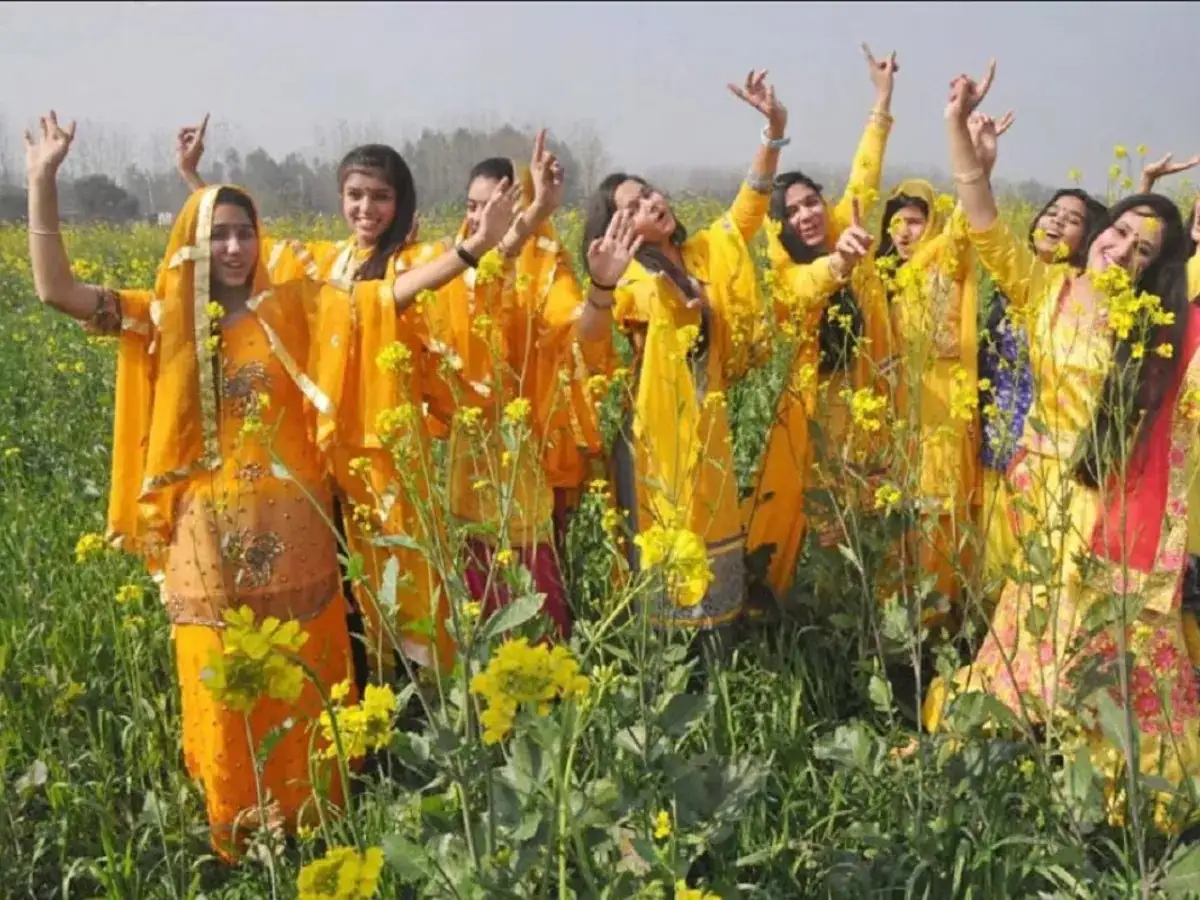
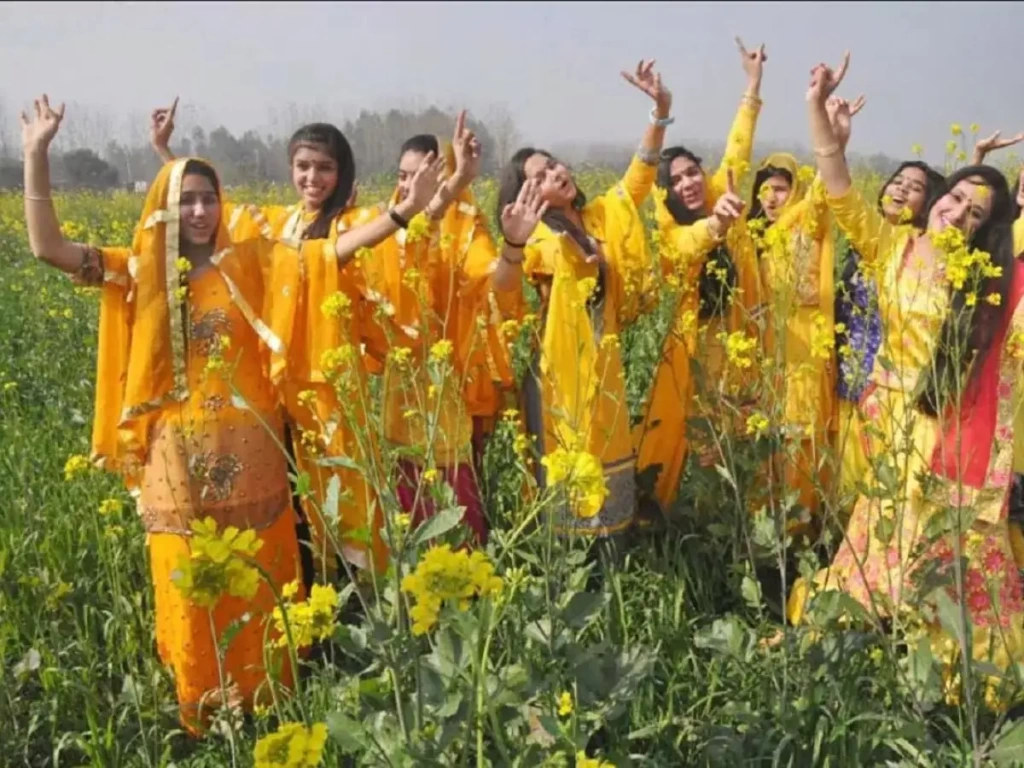
Yellow dominates Basant Ritu celebrations and symbolizes:
- Energy and vitality
- Knowledge and wisdom
- Prosperity and positivity
- Blossoming mustard fields
It reflects both spiritual illumination and natural abundance.
Basant Ritu and Agricultural Importance
For farmers, Basant Ritu marks the growth phase of Rabi crops such as wheat, mustard, and barley. It is a time of hope and prosperity.
Prayers and rituals are performed to seek divine blessings for a good harvest.
Basant Ritu and Human Psychology
The pleasant climate of Basant Ritu positively influences mental health:
- Reduces lethargy
- Enhances creativity
- Improves mood
- Encourages social interaction
Hindu philosophy views this harmony as a reflection of cosmic order (Rta).
Dos and Don’ts During Basant Ritu
Dos
- Wake up early
- Practice yoga and pranayama
- Eat seasonal fruits and vegetables
- Spend time in nature
Don’ts
- Avoid overeating
- Avoid excessive sleep
- Avoid cold and heavy foods
Basant Ritu for Spiritual Practices
Basant Ritu in Hinduism is ideal for:
- Meditation
- Japa and mantra chanting
- Temple visits
- Charity and selfless service
Spiritual efforts during this season yield faster results due to natural harmony.
Modern Relevance of Basant Ritu
In today’s fast-paced life, Basant Ritu reminds humanity to reconnect with nature, live seasonally, and maintain balance between material and spiritual pursuits.
It teaches respect for natural cycles and sustainable living.
FAQ
Basant Ritu is the spring season in Hinduism, symbolizing new beginnings, growth, joy, and prosperity. It marks the transition from winter to warmer days and is associated with renewal in nature and human life.
According to the Hindu calendar, Basant Ritu begins in the month of Magha and ends in Phalguna, typically falling between mid-January to mid-March every year.
Basant Ritu is spiritually significant because it represents balance, positivity, and divine energy. It is considered an ideal time for sadhana, charity (daan), fasting, and spiritual growth.
Major festivals of Basant Ritu include Vasant Panchami, Mauni Amavasya, Magha Purnima, Maha Shivratri, and Holi, all of which carry deep spiritual and cultural importance.
Vasant Panchami marks the formal beginning of Basant Ritu and is dedicated to Goddess Saraswati. It is considered highly auspicious for education, new work, and creative pursuits.
The color yellow symbolizes knowledge, prosperity, and positivity, and reflects blooming mustard fields. It is worn during Basant Ritu to attract good luck and spiritual harmony.
During Basant Ritu, devotees worship Goddess Saraswati, Lord Vishnu, Lord Shiva, and Surya Dev, seeking wisdom, health, success, and inner peace.
Auspicious practices during Basant Ritu include holy bathing, charity, japa, puja, fasting, starting new ventures, and learning activities, as the season supports positive outcomes.
Yes, Basant Ritu is considered highly favorable for marriages, griha pravesh, education, and business beginnings, as nature and cosmic energies are in harmony.
According to Ayurveda, Basant Ritu improves mental clarity and digestion but may increase Kapha dosha. Light भोजन, exercise, and detox rituals are recommended during this season.
Conclusion
Basant Ritu in Hinduism is a celebration of life, renewal, and divine harmony. It signifies the transition from stillness to movement, from dormancy to creativity, and from introspection to joy. Through festivals, rituals, and spiritual practices, Basant Ritu encourages humans to align with nature and embrace positivity.
By honoring Basant Ritu Hinduism traditions, devotees can experience physical well-being, mental clarity, and spiritual growth. As spring blossoms across the land, Basant Ritu continues to inspire hope, devotion, and unity, reminding us of the eternal bond between nature and the divine.

5 Comments