
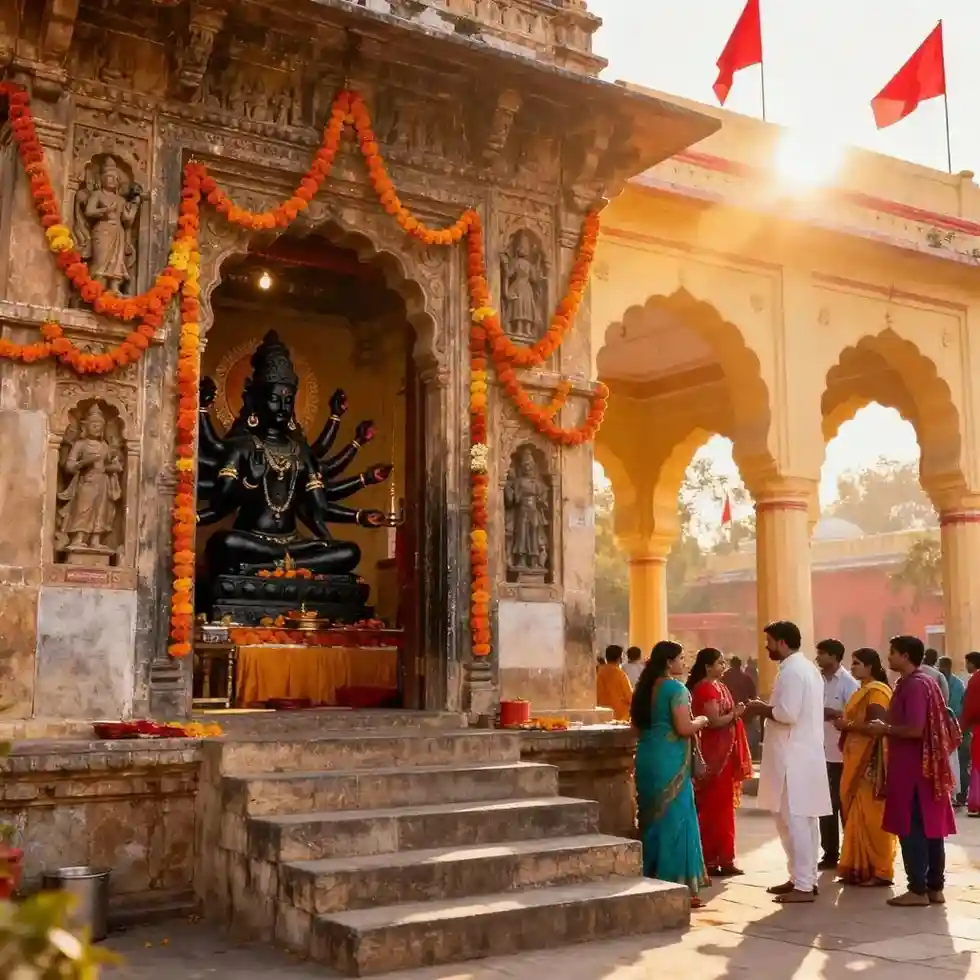
Nestled in the heart of Hapur district in Uttar Pradesh, the Chandi Mandir stands as a powerful spiritual and cultural landmark. This ancient temple is dedicated to Goddess Chandi, an incarnation of Maa Durga, revered as the embodiment of divine feminine power (Shakti). It draws thousands of devotees every year, not only from Hapur but also from neighboring states and even abroad, who come to seek blessings, spiritual solace, and fulfilment of wishes.
History of Chandi Mandir Hapur
The origins of the Chandi Mandir in Hapur trace back several centuries and are steeped in Hindu mythology and local folklore. The temple is recognized as a Shakti Peeth, a sacred abode of the divine feminine energy. According to legend, the temple’s establishment is linked to a devout king who received blessings directly from Goddess Chandi. It is said that the fierce form of Maa Chandi, which symbolizes the destruction of evil forces, has been worshipped here for generations.
A striking feature of the temple is its ancient idol — a five-foot tall black stone statue of Goddess Chandi with 18 symbolic bands. Devotees believe the intense and formidable form of the goddess exists behind closed doors, symbolizing the protective and wrathful aspect of Shakti which fights darkness and evil. Devotees traditionally performed animal sacrifices to appease the goddess, but today they offer symbolic rituals like cutting the ears of a goat. Above the idol, a unique water feature called “Varun-drops” falls continuously, which devotees believe cools and pacifies the goddess’s fierce energy, symbolizing harmony between divine power and devotees.
In addition to the primary deity, the temple complex houses nine other goddesses and godlike figures, enhancing its spiritual aura as a vital center for Shakti worship in the region.
Also Read :- Meenakshi Temple Madurai 2026: Architecture & Festivals
Significance of the Chandi Mandir
Chandi Mandir serves a dual purpose: it is a site of intense devotion and a beacon of cultural identity for the people of Hapur. The goddess worshipped here—Maa Chandi—is considered a protector and fulfiller of wishes. Many devotees testify that visiting the temple fulfilled their prayers for health, prosperity, and success. People regard the temple as one of Uttar Pradesh’s ancient sacred Siddhpeeths, believing Goddess Chandi visits nightly to rest and that the temple doors remain symbolically open even without visitors to highlight her divine presence. This practice emphasizes the ever-present and living nature of the deity’s energy.
Architecture and Facilities
Chandi Mandir displays classic Indian temple architecture with ornate stone carvings, sprawling corridors, and a tranquil courtyard that welcomes worshippers. The entrance to the temple connects to the old streets of village Chitoli where the temple stands on Bulandshahar Road, about three kilometers from Hapur city.
The temple complex includes:
- Steps leading down to the temple street, blending the spiritual ambiance with local village life.
- The striking black stone idol that forms the central focus of worship.
- A silver resting bed (palang) for the deity, used in rituals.
- Facilities for devotees, including spaces for offerings and circumambulation paths.
- Scheduled aartis and rituals performed five times daily to maintain the sanctity and continuous devotion atmosphere.
Timings of Chandi Mandir Hapur
The temple welcomes devotees daily with the following visiting hours:
- Opening at 5:00 AM in the morning.
- Closing at 9:30 PM on regular days.
- Extended hours till 10 PM on Sundays and special festive occasions.
The temple schedules five aartis daily—early morning, mid-morning, afternoon, evening, and night—where devotees engage in devotional singing, prayers, and ritual offerings.The temple schedules five aartis daily—early morning, mid-morning, afternoon, evening, and night—where devotees engage in devotional singing, prayers, and ritual offerings.
Also Read :- Mumba Devi Mandir Mumbai, Maharashtra
Festivals and Special Celebrations
The Chandi Mandir becomes a vibrant hub of celebration during Navratri and Durga Puja, two of the most important festivals dedicated to the goddess. During these festivals, devotees decorate the temple beautifully and gather in thousands for spiritual discourses, bhajans, and special pujas.
Ashtami and Navami days see special offerings of sweets, milk, honey, and fruits, along with the traditional method of “Doodh Dahi” (milk and yogurt) abhishek — a ceremonial bathing of the idol that signifies purity and auspiciousness.
Also Read :- Krishna Temples in India (Dwarka, Udupi, Vrindavan)
How to Reach and Other Details
- Chandi Mandir is situated approximately 60 km from Delhi, making it accessible for a day trip or pilgrimage.
- The nearest major city is Hapur, and local transportation options include buses, taxis, and autos.
- The temple area offers a vibrant market where devotees can buy flowers, prasad, and religious artifacts.
History of Chandi Mandir Hapur
Chandi Mandir’s origins date back several centuries and deeply connect to Hindu mythology and local folklore. A devout king established the temple seeking blessings from Goddess Chandi. The temple stands as a Shaktipeeth, a sacred site where divine feminine energy manifests powerfully. The goddess’s idol, a formidable five-foot black stone statue with 18 symbolic bands, symbolizes her fierce and protective form. While the temple once witnessed animal sacrifices to appease Maa Chandi, devotees now practice symbolic offerings like cutting goats’ ears.
A unique feature of the temple is the “Varun-drops” – water droplets falling from a hole above the statue, believed to pacify the goddess’s fierce energy and symbolize divine balance.
The temple also houses nine other deities, making it an important spiritual complex for Shakti worship.
Also Read :- Gurdwaras in Alberta
Significance
Devotees consider Chandi Mandir a Siddhpeeth where the goddess answers prayers for health, prosperity, and fulfillment of wishes. It holds immense cultural importance, especially for the people of Hapur and surrounding regions. Devotees believe Maa Chandi visits the temple nightly and keep the doors symbolically open even when no one is present, highlighting her divine presence.
The temple is especially significant during Navratri and Durga Puja festivals, when thousands gather for special worship and celebrations.
Architecture and Facilities
Chandi Mandir displays traditional Indian temple architecture, featuring intricate stone carvings and an ornate design. It is located in village Chitoli on Bulandshahar Road, about three kilometers from Hapur city. Facilities include a silver palanquin (resting bed) for the deity, pathways for circumambulation, and spaces for offerings.
Also Read :- Braj Bhoomi Temple Guide: Mathura, Vrindavan & Barsana
Timings
- Open daily from 5:00 AM to 9:30 PM (extended to 10:00 PM on Sundays and festivals)
- Five daily aartis (prayer rituals) mark the devotional schedule
Festivals and Rituals
The temple comes alive with vibrant celebrations during Navratri and Durga Puja. Devotees participate in communal prayers, aartis, and ritual offerings including the traditional milk and yogurt abhishek (ceremonial bath). These events affirm the temple’s deep-rooted place in devotional practices.
Here is additional content to expand the blog on Chandi Mandir Hapur, Uttar Pradesh:
Mythological Legend and Unique Features of Chandi Mandir Hapur
Chandi Mandir is not just an ancient temple but also shrouded in intriguing mythological stories that deepen its spiritual aura. People consider the temple one of the oldest and most powerful Shaktipeeths in Hapur district. Locals believe the fierce form of Goddess Chandi worshiped here represents her when she destroyed the demon Mahishasura, symbolizing the eternal battle between good and evil.
The Unique Tradition
The temple doors remain open day and night, as devotees believe the goddess stays here and returns to her abode around 4 AM. A threshold barrier marks the sacred entrance. The temple’s most striking feature is a five-foot black stone idol of Maa Chandi with 18 symbolic bands. Only a few priests can view the fearsome idol directly. While animal sacrifices were once common, today symbolic offerings like cutting the goat’s ears are made instead.
Above the idol, there is a natural hole through which water droplets known as “Varun-drops” fall continuously onto the statue.
Devotees’ Experiences and Miracles
Many testimonies speak of blessings received for health, educational success, and relief from hardships after praying at this sacred site.
Such stories enhance the faith and emotional connection devotees maintain with the temple, inspiring more visitors to undertake the pilgrimage.
Cultural Impact and Community Role
Beyond its religious significance, Chandi Mandir plays a vital role in the social and cultural fabric of Hapur.
Visiting Tips for Pilgrims
- It is best to visit early in the morning to participate in the first aarti and experience the tranquillity of the temple.
- Navratri season draws the largest crowds; advanced planning is advisable.
- Dress modestly and observe respectful behavior, as the temple’s atmosphere remains deeply spiritual.
- Purchases of prasad, flowers, and religious souvenirs are available at the temple market.
- Photography might be restricted inside the temple; check with temple authorities beforehand.
How to Reach
Chandi Mandir is approximately 60 km from Delhi, accessible by road through Hapur. Local transport options include buses, taxis, and autos. A nearby market provides flowers, prasad, and religious items for visitors.
1 Comment