
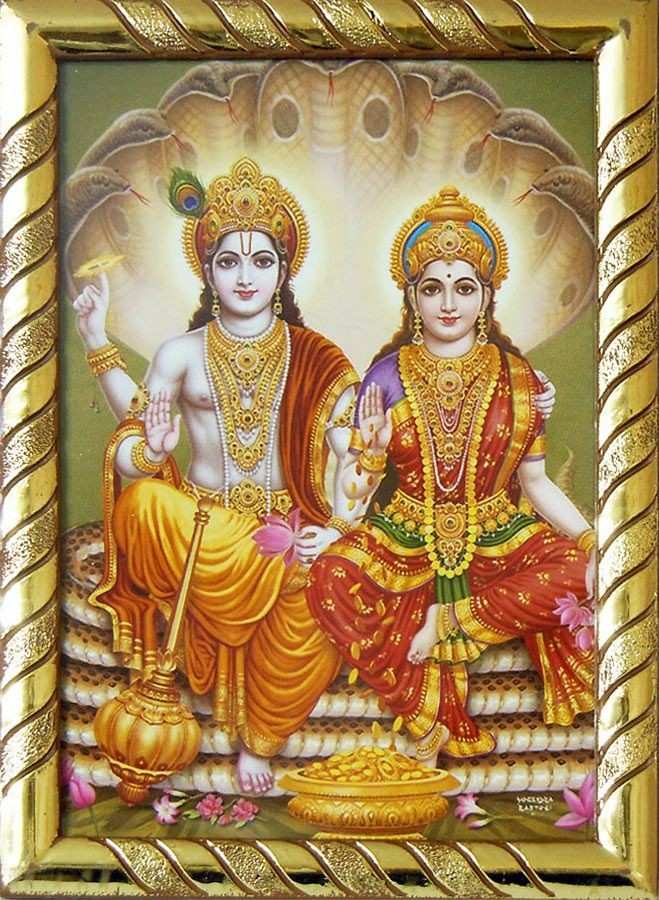
Introduction to Ekadashi in February 2026
Ekadashi in February 2026 carries deep spiritual and cultural importance for followers of Lord Vishnu. The term Ekadashi refers to the 11th lunar day of both Shukla Paksha and Krishna Paksha. Devotees fast on these days to purify the mind, remove karmic burdens, and progress toward liberation (moksha).
Furthermore, Ekadashi fasting strengthens discipline, enhances clarity, and nurtures devotion. During February 2026, devotees will observe two Ekadashi fasts, and both hold unique significance.
List of Ekadashi in February 2026
There are two Ekadashi fasts in February 2026:
1. Jaya Ekadashi
- Date: Tuesday, 3 February 2026
- Paksha: Shukla Paksha
- Associated Deity: Lord Vishnu
2. Vijaya Ekadashi
- Date: Wednesday, 18 February 2026
- Paksha: Krishna Paksha
- Associated Deity: Lord Vishnu
Both days are considered highly auspicious for prayer, meditation, and spiritual upliftment.
Jaya Ekadashi February 2026: Date & Significance
Jaya Ekadashi occurs during the Shukla Paksha of the Magha month. According to scriptures, this Ekadashi releases devotees from negative karmas and helps them move toward spiritual freedom.
Spiritual Significance of Jaya Ekadashi
Jaya Ekadashi is believed to:
✔ Destroy past sins
✔ Free the soul from ghostly existence
✔ Lead toward salvation
✔ Please Lord Vishnu
Additionally, devotees chant Vishnu Sahasranama and read sacred texts to enhance merit.
Vijaya Ekadashi February 2026: Date & Significance
Vijaya Ekadashi falls during the Krishna Paksha of the Phalguna month. The word Vijaya means “victory,” and therefore this Ekadashi helps devotees overcome obstacles and inner fears.
Spiritual Benefits of Vijaya Ekadashi
Vijaya Ekadashi is known to:
✔ Bring victory over challenges
✔ Remove fear and negativity
✔ Support spiritual and worldly success
✔ Strengthen devotion toward Vishnu
As a result, devotees often observe this fast with great faith.
Ekadashi Parana Time in February 2026
Parana refers to the ritual breaking of the Ekadashi fast during the Dwadashi Tithi. Completing Parana at the correct time ensures that the vrat receives its full merit.
Parana Rules
To complete Ekadashi properly:
- Perform Parana only on Dwadashi, not on Ekadashi
- Break the fast within the Parana window
- Wait until Hari Vasara ends if it overlaps with sunrise
- Follow temple timings for special Vaishnava observances
Since Parana timings differ by region, devotees should consult their local Panchang.
Ekadashi Vrat Rules and Guidelines
Fasting on Ekadashi involves discipline in both diet and behavior.
General Rules
Followers should:
▪ Wake up early
▪ Bathe and maintain purity
▪ Perform Vishnu worship
▪ Avoid grains and lentils
Allowed Foods
Fasting devotees may consume:
✔ Fruits and milk
✔ Sabudana
✔ Nuts
✔ Singhara flour
Foods to Avoid
However, devotees must avoid:
✘ Wheat and rice
✘ Lentils and beans
✘ Onion and garlic
✘ Non-vegetarian food and alcohol
Ekadashi Puja Vidhi (Method of Worship)
To perform Ekadashi puja correctly, follow these steps:
- Wake up during Brahma Muhurat
- Take a purifying bath
- Clean the worship space
- Place an image or idol of Vishnu
- Offer flowers, Tulsi leaves, and incense
- Chant Vishnu mantras or Ekadashi Katha
- Perform aarti
- Continue the fast with devotion
Role of Tulsi on Ekadashi
Tulsi holds supreme importance in Vishnu worship. Offering Tulsi leaves completes the ritual and increases spiritual merit.
Spiritual Benefits of Ekadashi in February 2026
Observing Ekadashi in February 2026 supports:
✔ Mental purification
✔ Reduction of negative karmas
✔ Growth in discipline and devotion
✔ Attainment of prosperity and peace
✔ Progress toward moksha
Consequently, many devotees consider Ekadashi one of the most powerful vrats.
Ayurvedic View on Ekadashi Fasting
From an Ayurvedic viewpoint, fasting on Ekadashi helps detoxify the digestive system. Avoiding grains allows the digestive fire (Agni) to reset, which improves metabolism and vitality.
Ekadashi for Householder Devotees
Householders who cannot follow strict fasting rules may choose a phalahar vrat. Through chanting, charity, and simplicity, they still receive significant benefits.
Dos and Don’ts on Ekadashi
Dos
✔ Chant mantras
✔ Practice self-control
✔ Maintain cleanliness
Don’ts
✘ Avoid anger and arguments
✘ Avoid daytime sleeping
✘ Avoid prohibited foods
Ekadashi in Vaishnava Tradition
Within the Vaishnava tradition, Ekadashi holds greater importance than many other vows. Devotees dedicate the entire day to Vishnu and abstain from worldly pleasures to deepen devotion.
Frequently Asked Questions (FAQs)
In February 2026, there are two Ekadashi fasts—one in Shukla Paksha and one in Krishna Paksha, as per the Hindu lunar calendar.
The Ekadashi dates in February 2026 depend on Tithi calculations based on the Panchang. Both Shukla Paksha and Krishna Paksha Ekadashi are observed during the month.
Parana should be done on Dwadashi Tithi after sunrise, within the prescribed Parana Muhurat, avoiding Hari Vasara. Following the correct Parana time is essential for Vrat completion.
If Parana is delayed beyond the recommended time, the spiritual benefits of the Ekadashi Vrat may reduce. Therefore, devotees are advised to follow exact Parana timings.
Devotees may observe Nirjala (waterless), Phalahar (fruits), or single-meal fasting. Consumption of grains, rice, lentils, and beans is strictly avoided.
Ekadashi fasting is not compulsory, but it is highly recommended for those seeking Lord Vishnu’s blessings, spiritual growth, and karmic purification.
The spiritual power depends on the specific Ekadashi name and associated legends. Each Ekadashi has unique significance, but Shukla Paksha Ekadashi is often preferred for major vows.
Yes, health always comes first. Sick, elderly, pregnant, or traveling devotees may observe a partial fast or simply focus on prayers and naam-japa.
Devotees worship Lord Vishnu and Goddess Lakshmi, offer Tulsi leaves, light a diya, chant Vishnu Sahasranama or Ekadashi Vrat Katha, and observe night vigil if possible.
Observing Ekadashi is believed to remove sins, improve mental clarity, bring peace, and help attain Moksha, especially when Vrat rules and Parana timings are followed correctly.
Conclusion
Ekadashi in February 2026 grants devotees two sacred opportunities — Jaya Ekadashi and Vijaya Ekadashi — to deepen their spiritual connection with Lord Vishnu. Through proper fasting, accurate Parana, and sincere devotion, followers may gain peace, purity, and divine blessings.
May Lord Vishnu bless all observers of Ekadashi in February 2026 with prosperity, inner strength, and liberation.
Also read – All Ekadashi of the Year 2026 — Dates, Muhurat, Significance, Fasting Rules & Global Parana Timings
3 Comments