
Introduction to Gudiya Festival 2026
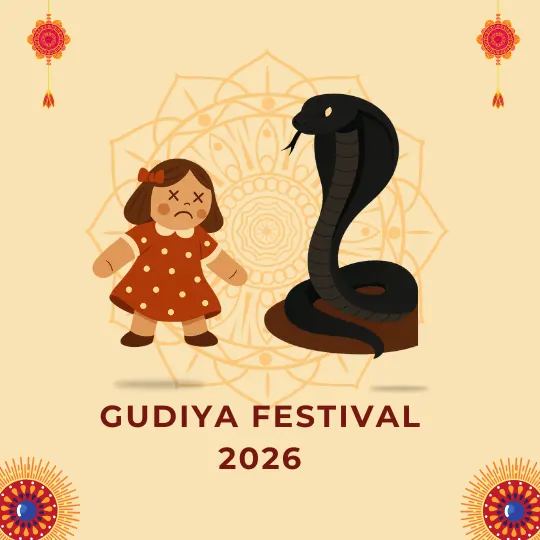
The Gudiya Festival 2026 is a rare and culturally rich tradition celebrated on Nag Panchami in select regions of eastern Uttar Pradesh and Bundelkhand. While the rest of India honors serpent gods with offerings and pujas, this unique festival includes the ritualistic beating of handmade cloth dolls, known as Gudiya Peetna.
Scheduled for Sunday, 16 August 2026, Gudiya Festival 2026 serves as a symbolic act rooted in mythology, astrology, social narratives, and emerging reforms. This blog explores the full scope of Gudiya Festival 2026, its origins, rituals, regional practices, controversies, and modern-day relevance.
Also read – ALL EKADASHI OF THE YEAR 2026
The Broader Context of Nag Panchami
Nag Panchami is observed on the fifth day of the Shukla Paksha in the month of Shravan. It is dedicated to Nag Devta(serpent deities) across India.
- Devotees offer milk, turmeric, rice, and flowers to snake idols or live cobras.
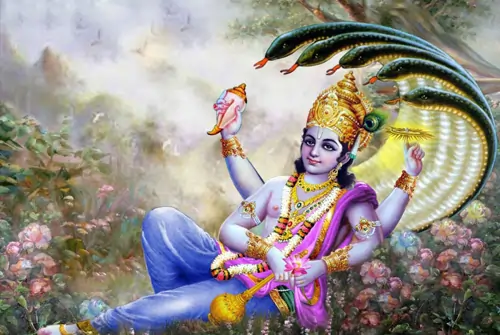
- The day is spiritually linked to deities like Shiva and Vishnu.
- In Bengal and Assam, Manasa Devi is worshipped.
- In Maharashtra, snake charmers bring live cobras for public pujas.
- In southern India, anthills are venerated as serpent abodes.
Yet, Gudiya Festival 2026 stands apart for integrating a ritual of symbolic punishment through dolls, not seen elsewhere.
Mythological Origins of Gudiya Festival 2026
The Legend of King Parikshit
The most cited origin of Gudiya Festival 2026 comes from the Mahabharata. After King Parikshit dies from a snake bite by Takshak, his son initiates a mass serpent extermination. A girl shelters a surviving snake, and villagers, enraged, punish her. Over time, this evolved into the symbolic act of beating a doll to stand in for that girl.
The Sibling Protection Tale
In another version, a sister kills a snake to protect her brother and is cursed. A local priest advises the brother to beat a doll 11 times each side and bury it to absorb the curse. This origin story gives Gudiya Festival 2026 a more protective and familial context.
The Royal Daughter Story
In Bundelkhand folklore, a king suspects his daughter of dishonor and orders her public punishment. The violent act, over time, became ceremonialized as the beating of dolls on Nag Panchami.
How Gudiya Festival 2026 Is Celebrated
Doll Preparation
- Girls create cloth dolls from fabric and cotton, dressing them in tiny sarees.
- The dolls are decorated with mehendi, bindis, and jewelry-like items.
Stick Decoration
- Boys prepare decorated sticks, called chhadi, to be used in the ritual.
Public Beating Ceremony
- On the morning of Gudiya Festival 2026, villagers gather at a central location.
- Girls place the dolls on the ground.
- Boys beat the dolls in front of the community, sometimes accompanied by folk songs.
- The dolls are then buried or immersed in water.
Nag Devta Puja
- After the doll ritual, traditional Nag Panchami worship is performed.
- Devotees offer milk and flowers to snake idols or anthills.
Regions Where Gudiya Festival 2026 Is Celebrated
Areas Practicing Gudiya Peetna
- Sitapur, Raebareli, Kanpur Dehat, Hardoi, Sultanpur, Lucknow rural (Uttar Pradesh)
- Chitrakoot, Banda, Hamirpur, Panna (Bundelkhand)
Areas Without the Tradition
- Maharashtra, Gujarat, Rajasthan, Bihar: Observe only snake worship.
- Bengal, Assam: Focus on Manasa Devi.
- South India: Worship at anthills, no doll rituals.
Cultural Symbolism and Criticism of Gudiya Festival 2026
The Gudiya Festival 2026 ritual is rich in symbolism but also draws criticism:
- The doll represents feminine identity or social deviance.
- The beating signifies societal correction, symbolic violence, or purification.
- Critics argue it reinforces patriarchal narratives and passive femininity.
Reform Movements Around Gudiya Festival 2026
Gudiya Jhulana: Swing Instead of Beating
- NGOs like Mahila Samakhya in Sitapur introduced Gudiya Jhulana.
- Dolls are placed on swings and gently rocked instead of being beaten.
- This new version celebrates daughters and promotes gender respect.
Impact of Reform
- Adopted in several villages across eastern UP.
- Schools host storytelling sessions and alternative rituals.
- The focus is shifting from symbolic violence to symbolic affection.
Astrological Beliefs in Gudiya Festival 2026
- The ritual is believed to remove Kala Sarpa Dosha.
- Families use soil from the burial site of dolls to protect against evil.
- Priests sometimes endorse the ritual as a planetary remedy.
Public Fair and Festivities
Gudiya Festival 2026 also includes:
- Local fairs with food, bangles, and snake figurines.
- Kite flying competitions among boys.
- Traditional wrestling matches (dangals).
- Women singing Kajri songs under mango trees.
Generational Views and Urban Reinterpretation
- Older villagers defend the ritual as harmless fun.
- Young girls and urban youth are questioning its relevance.
- Some reinterpret the doll as a symbol of daughterly blessing.
Gudiya Festival 2026 in the Diaspora
- The ritual is unknown among most NRIs.
- Nag Panchami is celebrated abroad without doll traditions.
- A few UP-origin families narrate the ritual as folklore, omitting the violent parts.
The Future of Gudiya Festival 2026
- Some villages continue Gudiya Peetna unchanged.
- Others have adopted the swing ritual or discontinued the tradition.
- Reformers hope to replace symbolic violence with celebrations of daughters.
Conclusion
Gudiya Festival 2026 is a unique cultural phenomenon. Its layered meanings – from myth to astrology, gender to reform – reflect how tradition is both a mirror and a mold. Whether it continues in its current form or evolves further, it remains a fascinating insight into India’s diverse ritual landscape.
Internal Links for Further Reading
- Explore related customs like Kajari Teej
अक्सर पूछे जाने वाले प्रश्न – गुड़िया पर्व 2026 और नाग पंचमी
गुड़िया पर्व क्या है?
गुड़िया पर्व एक पारंपरिक लोक उत्सव है, जिसे भारत के कुछ क्षेत्रों में मनाया जाता है। इसमें गुड़िया को सुरक्षा, समृद्धि और मातृत्व ऊर्जा के प्रतीक के रूप में पूजा जाता है।
गुड़िया पर्व 2026 में कब मनाया जाएगा?
गुड़िया पर्व 2026 आमतौर पर श्रावण मास के दौरान नाग पंचमी के आसपास मनाया जाता है। इसकी तिथि क्षेत्रीय परंपराओं के अनुसार अलग-अलग हो सकती है।
क्या गुड़िया पर्व का नाग पंचमी से कोई संबंध है?
हाँ, कई क्षेत्रों में गुड़िया पर्व और नाग पंचमी को सांस्कृतिक रूप से जोड़ा जाता है। दोनों पर्व सुरक्षा, उर्वरता और प्राकृतिक शक्तियों की शांति से जुड़े हुए हैं।
गुड़िया पर्व में गुड़िया की पूजा क्यों की जाती है?
गुड़िया स्त्री शक्ति, पालन-पोषण और परिवार की रक्षा का प्रतीक मानी जाती है। यह परंपरा धार्मिक शास्त्रों से अधिक लोक आस्था और सामाजिक विश्वासों पर आधारित है।
क्या गुड़िया पर्व का उल्लेख हिंदू शास्त्रों में मिलता है?
गुड़िया पर्व का सीधा उल्लेख प्रमुख हिंदू शास्त्रों में नहीं मिलता। यह एक लोक परंपरा है, जो पीढ़ी दर पीढ़ी मौखिक परंपराओं से चली आ रही है।
नाग पंचमी में नागों (सांपों) का क्या महत्व है?
नाग पंचमी में नागों को वर्षा, उर्वरता और प्रकृति संतुलन का प्रतीक माना जाता है। इस दिन नाग देवता की पूजा कर भय और आपदाओं से सुरक्षा की कामना की जाती है।
क्या गुड़िया पर्व में किसी प्रकार की हिंसक या प्रतीकात्मक रस्में होती हैं?
पारंपरिक रूप से गुड़िया पर्व प्रतीकात्मक पूजा पर आधारित है। आधुनिक समय में इसे सांस्कृतिक और अहिंसक रूप में मनाने पर जोर दिया जाता है।
क्या आज भी गुड़िया पर्व मनाया जाता है?
हाँ, गुड़िया पर्व आज भी कई ग्रामीण और अर्ध-शहरी क्षेत्रों में मनाया जाता है, हालांकि इसके स्वरूप में समय के साथ बदलाव आया है।
गुड़िया पर्व मुख्य हिंदू त्योहारों से कैसे अलग है?
गुड़िया पर्व शास्त्रीय त्योहारों की बजाय एक लोक परंपरा है, जो स्थानीय संस्कृति, सामाजिक संरचना और क्षेत्रीय विश्वासों को दर्शाती है।
क्या आधुनिक समय में गुड़िया पर्व प्रासंगिक है?
आज गुड़िया पर्व को सांस्कृतिक, सामाजिक और मानवशास्त्रीय दृष्टिकोण से देखा जा रहा है। यह परंपरा आधुनिक समाज में परंपरा और बदलते मूल्यों पर चर्चा को जन्म देती है।
Frequently Asked Questions on Gudiya Festival 2026 and Nag Panchami
What is the Gudiya Festival?
The Gudiya Festival is a traditional folk celebration observed in parts of India, where a symbolic doll (gudiya) is worshipped as a representation of protection, prosperity, and feminine energy.
When is Gudiya Festival celebrated in 2026?
Gudiya Festival 2026 is observed around the period of Nag Panchami, which falls in the Hindu month of Shravan. Exact dates may vary regionally based on local customs.
Is Gudiya Festival connected to Nag Panchami?
Yes, in several regions the Gudiya Festival is culturally linked with Nag Panchami. Both festivals revolve around themes of protection, fertility, and appeasement of natural and divine forces.
Why are dolls worshipped during the Gudiya Festival?
The gudiya (doll) symbolizes nurturing energy, protection from harm, and the well-being of children and families. It reflects deep-rooted folk beliefs rather than scriptural rituals.
Is the Gudiya Festival mentioned in Hindu scriptures?
The Gudiya Festival is primarily a folk and regional tradition. It does not have direct references in major Hindu scriptures, but has evolved through oral traditions and community practices.
What is the significance of snakes in Nag Panchami?
In Nag Panchami, snakes are revered as symbols of fertility, rainfall, and cosmic balance. Worship is performed to seek protection from snake-related fears and natural calamities.
Are animal or symbolic rituals involved in the Gudiya Festival?
Traditionally, the Gudiya Festival focuses on symbolic representation rather than physical harm. Modern interpretations emphasize cultural symbolism and discourage any form of violence.
Is the Gudiya Festival still celebrated today?
Yes, the Gudiya Festival is still observed in rural and semi-urban areas, though its form has evolved. Many communities now celebrate it as a cultural and heritage event.
How is Gudiya Festival different from mainstream Hindu festivals?
Unlike mainstream Hindu festivals rooted in scriptures, the Gudiya Festival is a folk tradition shaped by local beliefs, social customs, and regional identity.
Is the Gudiya Festival relevant in modern times?
Yes, the festival is increasingly viewed through cultural, anthropological, and social lenses, sparking discussions around tradition, symbolism, and evolving values in modern society.
2 Comments