

Introduction: Why March 2026 Holds Deep Spiritual Importance for Hindus
March 2026 brings a powerful shift in the Hindu spiritual calendar. As winter fades and spring strengthens its presence, Hindu festivals in March 2026 guide devotees toward renewal, discipline, and celebration. This month does not focus on a single emotion. Instead, it blends joy, devotion, fasting, and divine remembrance in a balanced rhythm.
Moreover, March sets the spiritual tone for the Hindu New Year in many regions. Festivals like Holi awaken social harmony. Meanwhile, Chaitra Navratri builds inner discipline. Rama Navami then crowns the month with ideals of dharma and righteous living.
For families, temple communities, and individual seekers alike, March 2026 offers several opportunities to reconnect with Hindu traditions. Therefore, understanding each festival’s meaning and date helps devotees observe them with clarity and intention.
This guide presents a Hindu-only list of festivals in March 2026, followed by short yet meaningful explanations of each observance.
Also read – ALL FESTIVALS IN MARCH 2026: HINDU, JAIN, SIKH, MUSLIM & INTERNATIONAL EVENTS CALENDAR
Table of Contents
- Complete List of Hindu Festivals in March 2026
- Holika Dahan and Holi: Victory of Devotion and Social Harmony
- Sheetala Ashtami: Worship of Health and Healing
- Amalaki Ekadashi: Spiritual Merit and Vishnu Bhakti
- Papmochani Ekadashi: Cleansing of Past Karmas
- Chaitra Amavasya: Ancestor Remembrance and New Beginnings
- Chaitra Navratri: Nine Days of Shakti Worship
- Ugadi and Gudi Padwa: Hindu New Year Celebrations
- Rama Navami: Birth of Lord Rama
- Why Hindu Festivals in March 2026 Matter Spiritually
Complete List of Hindu Festivals in March 2026
Below is a clean and chronological list of major Hindu festivals and vrat dates in March 2026.
| Festival / Vrat Name | Date (March 2026) |
|---|---|
| Holika Dahan | 3 March 2026 |
| Holi (Dhulandi) | 4 March 2026 |
| Sheetala Ashtami | 10 March 2026 |
| Amalaki Ekadashi | 10 March 2026 |
| Chaitra Amavasya | 18 March 2026 |
| Chaitra Navratri Begins | 19 March 2026 |
| Ugadi / Gudi Padwa | 19 March 2026 |
| Papmochani Ekadashi | 25 March 2026 |
| Rama Navami | 27 March 2026 |
| Chaitra Navratri Ends | 27 March 2026 |
Each of these festivals carries spiritual depth beyond rituals. The following sections explain their significance in detail.
Also read – March 2026 National & Global Observance Days: Meaning and Significance
Holika Dahan and Holi: Victory of Devotion and Social Harmony
Holika Dahan – 3 March 2026
Holika Dahan marks the spiritual foundation of Holi. On this evening, devotees light sacred fires to remember the triumph of faith over ego. The legend of Prahlada teaches that divine protection always supports sincere devotion.
Furthermore, Holika Dahan encourages people to symbolically burn negativity. Families gather around the fire, offer grains and coconut, and pray for protection from inner vices. The ritual also promotes community bonding, which strengthens social unity.
Because this ritual falls on Phalguna Purnima, it prepares the heart for joy rather than indulgence. As a result, Holika Dahan carries both moral and spiritual lessons.
Holi – 4 March 2026
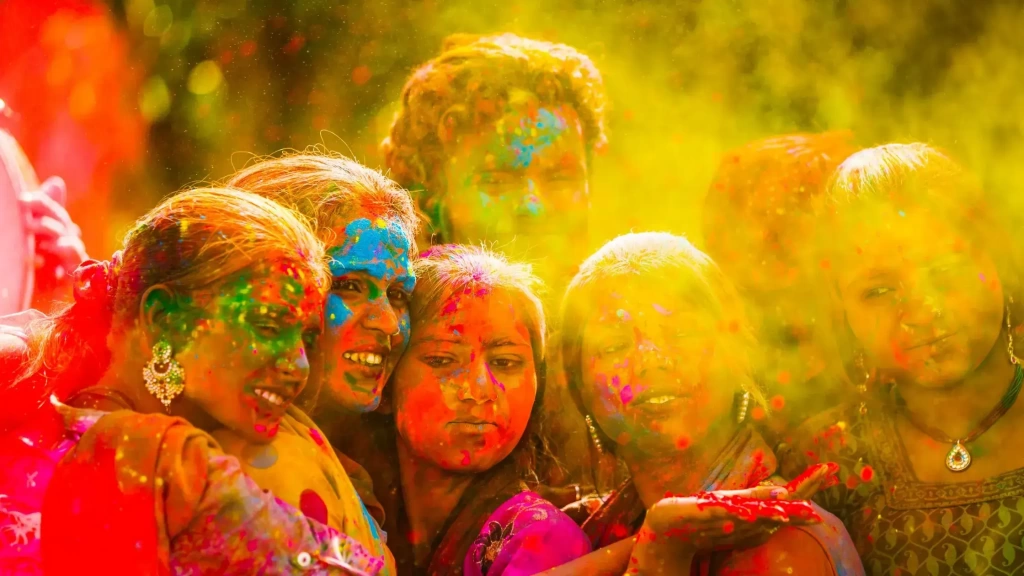
Holi follows Holika Dahan with color, laughter, and forgiveness. However, beyond celebration, Holi represents emotional renewal. People forgive old grievances and rebuild relationships.
Traditionally, Holi welcomes spring and fertility. At the same time, scriptures link it with Krishna’s playful leelas in Vrindavan. Through color, music, and sweets, devotees celebrate divine joy expressed in human life.
Although modern celebrations often focus on festivity, mindful Hindus also remember Holi as a reminder to live lightly and love freely.
- Holika Dahan – Tuesday, 3 March 2026
- Holi (Dhulandi) – Wednesday, 4 March 2026
- Sheetala Ashtami – Tuesday, 10 March 2026
- Amalaki Ekadashi – Tuesday, 10 March 2026
- Chaitra Amavasya – Wednesday, 18 March 2026
- Chaitra Navratri Begins – Thursday, 19 March 2026
- Ugadi / Gudi Padwa – Thursday, 19 March 2026
- Papmochani Ekadashi – Wednesday, 25 March 2026
- Rama Navami – Friday, 27 March 2026
- Chaitra Navratri Ends – Friday, 27 March 2026
Also read – March 2026 Vrat & Fasting Calendar: Ekadashi, Shivratri & Sankashti
Sheetala Ashtami: Worship of Health and Healing
Sheetala Ashtami falls on 10 March 2026. This day honors Goddess Sheetala, who governs health, hygiene, and disease prevention. Devotees especially observe this vrat to protect children and families from illnesses.
Unlike other fasts, Sheetala Ashtami emphasizes cooling practices. Families prepare food a day earlier and consume it cold. This ritual reflects ancient wisdom about seasonal transitions and bodily balance.
Additionally, devotees pray for immunity and long-term well-being. In rural traditions, this observance reinforces cleanliness and preventive care, which remains relevant even today.
Amalaki Ekadashi: Spiritual Merit and Vishnu Bhakti
Amalaki Ekadashi also occurs on 10 March 2026. This Ekadashi worships Lord Vishnu through the sacred amla tree. Scriptures associate amla with health, longevity, and divine energy.
Devotees fast, chant Vishnu mantras, and offer amla fruits. The ritual encourages purity of body and intention. Moreover, Amalaki Ekadashi teaches balance between spiritual goals and physical well-being.
Many believe that observing this Ekadashi grants punya equivalent to donating cows or gold. Therefore, it holds strong importance in Vaishnav traditions.
Papmochani Ekadashi: Cleansing of Past Karmas
Papmochani Ekadashi falls on 25 March 2026. This vrat focuses on repentance and karmic cleansing. Devotees observe fasting to release past mistakes and regain spiritual clarity.
Texts describe this Ekadashi as particularly powerful for those seeking liberation from guilt or repetitive negative patterns. Alongside fasting, devotees practice self-reflection and restraint.
Because Papmochani Ekadashi arrives close to Navratri, it prepares the mind for deeper spiritual discipline. Hence, many spiritual practitioners treat it as a mental reset.
Chaitra Amavasya: Ancestor Remembrance and New Beginnings
Chaitra Amavasya occurs on 18 March 2026. This new moon day marks the transition from the old lunar year to the new spiritual cycle. Devotees perform tarpan and pitru rituals to honor ancestors.
Through prayers and offerings, families express gratitude toward their lineage. At the same time, they seek blessings for the coming year. This observance reminds Hindus that spiritual growth respects both past and future.
Because Amavasya encourages introspection, many people also meditate or take vows on this day.
Chaitra Navratri: Nine Days of Shakti Worship
Navratri Begins – 19 March 2026
Chaitra Navratri starts on 19 March 2026. These nine days celebrate Goddess Durga in her nine forms. Each day emphasizes a distinct virtue, such as courage, wisdom, or compassion.
Devotees observe fasting, chant Durga mantras, and perform daily puja. In many homes, families install kalash and light lamps to invite divine energy.
Unlike Sharadiya Navratri, Chaitra Navratri focuses more on discipline than celebration. Therefore, it suits those seeking inner strength and clarity.
Ugadi and Gudi Padwa – 19 March 2026
Ugadi and Gudi Padwa coincide with the first day of Chaitra Navratri. These festivals mark the Hindu New Year in southern and western India.
Families clean homes, decorate entrances, and prepare symbolic dishes representing life’s varied flavors. The rituals emphasize optimism, renewal, and conscious living.
Because these festivals align with Navratri, they blend material hope with spiritual responsibility.
Rama Navami – 27 March 2026
Rama Navami falls on the ninth day of Navratri. This festival celebrates the birth of Lord Rama, the embodiment of dharma.
Devotees read the Ramayana, chant Rama nama, and observe fasting until noon. Temples organize bhajans and processions. Through Rama’s life, Hindus learn ideals of truth, duty, and compassion.
Rama Navami also symbolizes the victory of righteousness through self-control rather than force.
Navratri Ends – 27 March 2026
Chaitra Navratri concludes on Rama Navami. Devotees perform kanya pujan and offer food to young girls. This ritual honors feminine divinity in its purest form.
The conclusion reinforces gratitude and humility. After nine days of restraint, devotees carry discipline into daily life.
Why Hindu Festivals in March 2026 Matter Spiritually
Hindu festivals in March 2026 create a bridge between joy and discipline. Holi opens hearts through celebration. Ekadashis cleanse intentions. Navratri rebuilds inner strength. Rama Navami restores moral direction.
Together, these observances shape a complete spiritual experience. Rather than existing in isolation, each festival prepares the devotee for the next phase of growth.
Therefore, March becomes not just a festive month but a spiritual foundation for the year ahead.
Also read – All Ekadashi of the Year 2026
Frequently Asked Questions – Hindu Festivals in March 2026
When is Holi in March 2026?
Holi (Dhulandi) will be celebrated on Wednesday, 4 March 2026. It is observed the day after Holika Dahan and marks joy, forgiveness, and the arrival of spring.
When is Holika Dahan in 2026?
Holika Dahan will be observed on Tuesday, 3 March 2026. Devotees light sacred fires to symbolize the victory of devotion over ego and negativity.
Which Ekadashi fasts fall in March 2026?
Two important Ekadashi vrats fall in March 2026: Amalaki Ekadashi on 10 March 2026 and Papmochani Ekadashi on 25 March 2026. Both are dedicated to Lord Vishnu and focus on purification.
Can Sheetala Ashtami and Amalaki Ekadashi be observed on the same day?
Yes. In March 2026, Sheetala Ashtami and Amalaki Ekadashi both fall on 10 March. Devotees usually prioritize Ekadashi fasting while respectfully observing Sheetala Ashtami rituals according to family and regional traditions.
When does Chaitra Navratri start and end in 2026?
Chaitra Navratri begins on Thursday, 19 March 2026 and ends on Friday, 27 March 2026. The nine-day observance is dedicated to Goddess Durga and concludes on Rama Navami.
Is Rama Navami part of Chaitra Navratri?
Yes. Rama Navami falls on the ninth and final day of Chaitra Navratri. It celebrates the birth of Lord Rama and represents the culmination of devotion, discipline, and dharma.
When is Chaitra Amavasya in March 2026?
Chaitra Amavasya will be observed on Wednesday, 18 March 2026. This new moon day is dedicated to ancestor remembrance, tarpan rituals, and spiritual introspection.
Which Hindu festivals mark the New Year in March 2026?
Ugadi and Gudi Padwa, celebrated on 19 March 2026, mark the Hindu New Year in South and Western India. These festivals emphasize renewal, optimism, and mindful beginnings.
Are Hindu festivals in March 2026 based on the lunar calendar?
Yes. Most Hindu festivals in March 2026 follow the Hindu lunar calendar, which is why their dates change every year in the Gregorian calendar.
Why is March spiritually important in the Hindu calendar?
March holds deep spiritual importance because it blends celebration, purification, ancestor remembrance, and disciplined worship, creating a strong spiritual foundation for the year ahead.
Can Hindu festivals in March 2026 be observed outside India?
Yes. Hindu festivals in March 2026 are observed globally by Hindu communities in the USA, UK, Australia, and Southeast Asia, with rituals adapted to local traditions.
Conclusion: Observing March 2026 with Awareness and Devotion
March 2026 offers Hindus a rare alignment of joy, purification, and renewal. By observing these festivals mindfully, devotees strengthen both faith and character.
Understanding dates allows better preparation. Knowing meanings deepens connection. Practicing rituals with intention transforms routine into worship.
As Hindu festivals in March 2026 unfold, they invite every devotee to color life with joy, ground actions in discipline, and walk the path of dharma with renewed clarity.
Sources & References
- Drik Panchang – Hindu Calendar, Festivals & Ekadashi Dates
- Panchangam.org – Traditional Hindu Panchang & Tithi Calculations
- GuruCool.life – Hindu Festivals, Astrology & Spiritual Guides
- Shloka.life – Vedic Traditions, Shlokas & Festival Significance
- SanskritDocuments.org – Puranic Texts, Vrat Kathas & Scriptures
- TemplePurohit – Hindu Rituals, Vrat Vidhi & Festival Meanings
Also read – Important International Days in March 2026: Complete Awareness Calendar

4 Comments