
Hindu festivals in January 2026 mark one of the most spiritually significant periods in the Hindu calendar, focusing on vrat (fasting), snan (holy bathing), daan (charity), and strict observance of auspicious muhurat. Falling during the sacred Paush–Magha transition and the beginning of Uttarayan, January is dedicated to inner purification, ancestral remedies, and spiritually rewarding rituals performed at the right time.
From Paush Putrada Ekadashi to Mauni Amavasya, from Pradosh Vrat to Makar Sankranti, this month is rich in auspicious muhurats that are believed to multiply spiritual merit when followed correctly. Many seekers specifically search for January 2026 vrat dates, Amavasya snan muhurat, Sankranti punya kaal, and Ekadashi parana timing, making this month extremely important from both religious and practical perspectives.
Also read – HINDU FESTIVALS IN FEBRUARY 2026: DATES, MUHURAT & SIGNIFICANCE
What makes January unique is that most rituals depend on correct timing rather than elaborate ceremonies. Even simple actions — such as early morning bathing, offering til (sesame seeds), feeding the poor, or observing silence — can yield immense spiritual benefit if done during the right auspicious time (shubh muhurat).
This guide on Hindu festivals in January 2026 is designed as a complete reference. It not only lists festivals and vrat dates but also explains:
- Why each day is important
- Best muhurat for snan, daan, and puja
- Who should observe which vrat
- Which days are ideal for remedies and charity
Whether you are a working professional, a householder, or a spiritual seeker, planning January rituals properly can bring mental clarity, health balance, and karmic purification throughout the year.
Hindu Festivals in January 2026 – Month Overview, Muhurat & Spiritual Importance
January 2026 primarily spans the Paush and Magha lunar months, both considered highly significant in Hindu dharma. This period is associated with self-restraint, inner purification, and spiritual discipline, rather than outward celebration.
Spiritual Importance of January in Hinduism
January is traditionally regarded as a month of tapasya (austerity). Scriptures emphasize waking before sunrise, practicing moderation in food, and engaging in prayer and charity. Many powerful vrats such as Ekadashi, Amavasya, Pradosh, and Shivratri occur during this time, each carrying its own specific muhurat and ritual discipline.
One of the key reasons January holds such importance is the transition from Paush to Magha month. While Paush focuses on cleansing accumulated negativity, Magha is considered ideal for holy bathing, charity, and spiritual vows. The arrival of Magha month itself is treated as an auspicious turning point.
Sun’s Movement & Uttarayan Context
January is also marked by the Sun’s gradual movement toward Uttarayan (northward journey). This shift is associated with:
- Increase in sattvic energy
- Positive cosmic influence
- Enhanced results from charity and fasting
Festivals like Makar Sankranti symbolize this solar transition and are closely linked with punya kaal, a specific time window when daan and snan are believed to give manifold results.
Importance of Muhurat, Snan & Daan
Unlike many other months, January rituals are highly time-sensitive. The spiritual benefit depends not just on the action, but when it is performed.
Key practices include:
- Brahma Muhurat Snan (early morning bath)
- Til daan during specific tithis
- Punya kaal charity on Sankranti
- Nishita kaal puja for Shivratri
Even missing a muhurat by a few hours can change the nature of the ritual. That’s why accurate timing is essential while observing Hindu festivals in January 2026.
Why Fasting Is Emphasized in January
The cold season naturally supports fasting and detoxification. Vrats observed in January are said to:
- Improve digestion and immunity
- Calm the mind
- Reduce karmic burdens
- Strengthen discipline and willpower
However, Hindu scriptures also emphasize practical wisdom, allowing modified fasting for the elderly, sick, pregnant women, and working individuals.
Complete List of Hindu Festivals in January 2026 with Dates & Muhurat (Quick Table)
Below is a date-wise table of major Hindu festivals in January 2026, including vrat days, snan occasions, and regional celebrations.
This table is designed for quick reference, jump navigation, and featured snippets.
| Date (2026) | Festival / Vrat | Type | Jump Link |
|---|---|---|---|
| 1 Jan | Paush Putrada Ekadashi | Vrat | #paush-putrada-ekadashi-2026 |
| 3 Jan | Pradosh Vrat | Vrat | #pradosh-vrat-january-2026 |
| 4 Jan | Masik Shivratri | Vrat / Puja | #masik-shivratri-january-2026 |
| 6 Jan | Paush Amavasya | Snan / Daan | #paush-amavasya-2026 |
| 7 Jan | Mauni Amavasya | Snan / Vrat | #mauni-amavasya-2026 |
| 10 Jan | Sankashti Chaturthi | Vrat | #sankashti-chaturthi-january-2026 |
| 14 Jan | Makar Sankranti | Parva / Daan | #makar-sankranti-2026 |
| 14 Jan | Sankranti Punya Kaal | Muhurat | #sankranti-punya-kaal-2026 |
| 15 Jan | Bhogi Festival | Regional | #bhogi-festival-2026 |
| 16 Jan | Thai Pongal | Regional | #thai-pongal-2026 |
| 17 Jan | Kaanum Pongal | Regional | #kaanum-pongal-2026 |
| 17 Jan | Kanuma Festival | Regional | #kanuma-festival-2026 |
| 24 Jan | Shattila Ekadashi | Vrat / Daan | #shattila-ekadashi-2026 |
| 29 Jan | Paush Purnima | Snan / Daan | #paush-purnima-2026 |
| 30 Jan | Pradosh Vrat | Vrat | #pradosh-vrat-january-2026 |
| 31 Jan | Kumbha Sankranti | Sankranti | #kumbha-sankranti-2026 |
📌 Note: All muhurat, tithi, and vrat observances may vary slightly by location. Always follow local sunrise-based timings.
Paush Putrada Ekadashi 2026 – January Vrat Date, Parana Time & Significance
Paush Putrada Ekadashi is one of the most spiritually significant Ekadashis, especially for couples seeking child-related blessings, family harmony, and lineage continuity. Observed during the Shukla Paksha of Paush month, this Ekadashi is dedicated to Lord Vishnu and is believed to remove obstacles related to progeny and domestic peace.
📅 Date & Tithi (January 2026)
Paush Putrada Ekadashi will be observed in early January 2026. As with all Ekadashis, the vrat is followed from sunrise to the next sunrise, based on local Panchang calculations.
⏰ Parana Time (Breaking the Fast)
Parana must be done on Dwadashi Tithi, preferably:
- After sunrise
- Within the Dwadashi muhurat
- Avoiding Hari Vasara time
Correct parana timing is crucial, as improper parana is considered equivalent to breaking the vrat.
🙏 Who Should Observe This Vrat
- Married couples desiring children
- Parents praying for the well-being of their children
- Individuals facing family instability
- Spiritual seekers seeking Vishnu’s grace
🌼 Spiritual Significance
The term Putrada literally means “giver of sons,” but scriptures clarify that the vrat blesses devotees with:
- Healthy progeny
- Righteous children
- Emotional bonding within families
It is equally beneficial for mental peace and karmic cleansing.
🪔 Simple Vrat Rules
- Observe nirjala or phalahar fasting (as per capacity)
- Avoid grains, onion, garlic, and non-vegetarian food
- Worship Lord Vishnu with tulsi leaves
- Donate food, clothes, or sesame seeds
Shattila Ekadashi January 2026 – Til Daan Muhurat & Vrat Rules
Shattila Ekadashi is unique among Ekadashis because it emphasizes the sacred use of til (sesame seeds) in six different forms. Observed during Krishna Paksha of Paush month, it is considered extremely powerful for karmic purification.
🌾 Why Til Is So Important
Sesame seeds are believed to:
- Absorb negative karma
- Protect from untimely death
- Strengthen planetary balance (especially Shani)
The word Shat refers to six uses of til on this day.
🪔 Six Forms of Til Usage
- Til snan (bathing with sesame-infused water)
- Til ubtan (sesame paste application)
- Til homa (offering in fire)
- Til daan (charity)
- Til bhojan (eating sesame-based food)
- Til jal (offering water with til)
🎁 Daan List (High Traffic Topic)
- Black sesame seeds
- Warm clothes
- Blankets
- Iron utensils
- Food grains
👥 Who Benefits Most
- Those facing repeated obstacles
- People under Shani influence
- Individuals seeking relief from past sins
Sankashti Chaturthi January 2026 – Moonrise Time, Vrat & Ganesh Puja
Sankashti Chaturthi is dedicated to Lord Ganesha, the remover of obstacles. It is observed on the Krishna Paksha Chaturthi of every month, with January’s Sankashti being especially potent due to Paush energy.
🌙 Moonrise Timing Logic
Fasting is broken only after moonrise, which varies by location.
This makes Sankashti one of the most time-sensitive vrats.Devotees should:
- Check local moonrise time
- Offer arghya to the Moon
- Then perform Ganesh puja
🥗 Night Fasting Rules
- Day-long fast (nirjala or light phalahar)
- No grains, salt, or tamasic food
- Fruits and milk allowed (if needed)
🛕 Remedies for Obstacles
- Chant “Om Gan Ganapataye Namah”
- Offer durva grass
- Light a ghee lamp after moonrise
This vrat is particularly effective for career blocks, debt issues, and delayed success.
Masik Shivratri January 2026 – Nishita Kaal Puja Muhurat & Vrat Vidhi
Masik Shivratri occurs every month and holds deep spiritual importance for devotees of Lord Shiva. The January Masik Shivratri is observed during Paush month and is ideal for inner purification and mental discipline.
🕛 Meaning of Nishita Kaal
Nishita Kaal refers to midnight, the most auspicious time for Shiva worship.
It symbolizes:
- Destruction of ignorance
- Awakening of consciousness
🙏 Who Should Observe
- Shiva devotees
- Individuals seeking peace and stability
- Those struggling with anger, fear, or confusion
❌ Common Mistakes to Avoid
- Sleeping during Nishita Kaal
- Consuming salt or grains
- Performing puja without cleanliness
🪔 Simple Puja Vidhi
- Abhishek with water or milk
- Offer bilva leaves
- Chant “Om Namah Shivaya”
Pradosh Vrat in January 2026 – Trayodashi Puja Timing & Fasting Rules
Pradosh Vrat is observed on Trayodashi tithi and is dedicated to Lord Shiva and Goddess Parvati. January 2026 includes two Pradosh Vrats, each carrying special significance.
🔄 Shukla vs Krishna Pradosh
- Shukla Pradosh: Growth, prosperity, family welfare
- Krishna Pradosh: Removal of sins, health issues, karmic relief
⏰ Evening Puja Timing
Pradosh puja must be done during the Pradosh Kaal, approximately:
- 1.5 hours after sunset
This timing is crucial for gaining full spiritual benefit.
🌿 Health & Spiritual Benefits
- Improves digestion through fasting
- Calms the nervous system
- Enhances mental clarity
Paush Amavasya January 2026 – Pitru Daan Muhurat, Upvas & Remedies
Paush Amavasya is dedicated to Pitru karma and ancestral peace. It is a powerful day for daan, tarpan, and spiritual remedies.
🧿 Pitru Relevance
Performing charity on this day helps:
- Remove ancestral dosha
- Improve family harmony
- Reduce unexplained obstacles
🎁 Best Daan Items
- Food grains
- Black sesame
- Warm clothes
- Cow feed
⚠️ Who Should Avoid Strict Fasting
- Elderly individuals
- Pregnant women
- People with chronic illness
Mauni Amavasya January 2026 – Snan Muhurat, Maun Vrat & Daan Vidhi
Mauni Amavasya is one of the most sacred Amavasyas of the year, especially famous for holy bathing rituals.
🤫 Logic of Maun Vrat
Observing silence helps:
- Control speech-related karma
- Enhance self-awareness
- Reduce mental restlessness
🚿 Bathing Significance
Snan during Brahma Muhurat is considered highly auspicious, even at home using clean water.
🌟 Who Benefits Spiritually
- Meditators
- Students
- People seeking clarity and discipline
Paush Purnima January 2026 – Snan, Daan Muhurat & Magha Significance
Paush Purnima marks the completion of Paush month and the transition into Magha, one of the holiest months in Hinduism.
🌙 Transition into Magha Month
This shift signals:
- Beginning of Magha snan
- Increased importance of charity
- Heightened spiritual energy
🎁 Charity Focus
- Food distribution
- Blanket donation
- Helping the needy
💪 Health Aspect
Purnima fasting helps reset digestion and supports immunity during winter.
Makar Sankranti 2026 – Date, Punya Kaal & Daan Vidhi
Makar Sankranti is one of the most widely observed Hindu festivals and holds both astronomical and spiritual importance. Unlike most Hindu festivals, Sankranti is based on the solar calendar, making its date relatively fixed.
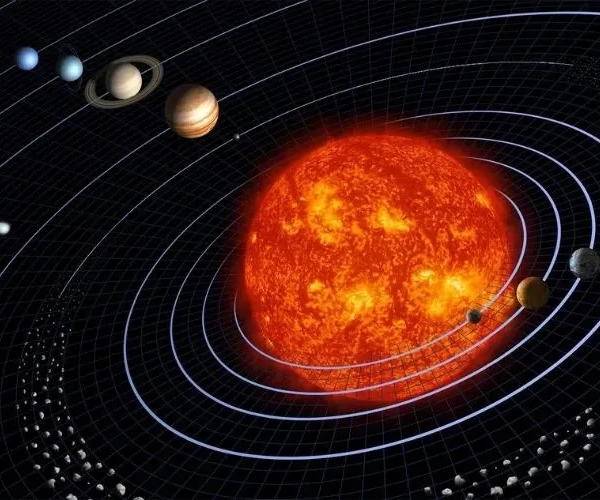
In January 2026, Makar Sankranti marks the moment when the Sun enters Capricorn (Makara Rashi), beginning the auspicious Uttarayan period.
📅 Date of Makar Sankranti 2026
Makar Sankranti will be celebrated on 14 January 2026 across most parts of India.
⏰ Punya Kaal Timing (Most Important)
The Punya Kaal is the most auspicious time for:
- Holy bathing (snan)
- Charity (daan)
- Japa and puja
Devotees are advised to perform:
- Snan during early morning hours
- Daan during Punya Kaal, preferably before noon
Even a small act of charity during this window is believed to give multiplied spiritual merit.
🎁 What to Donate on Makar Sankranti
- Til (sesame seeds)
- Jaggery
- Warm clothes
- Food grains
- Blankets
🌍 Regional Names (Brief)
- Pongal – Tamil Nadu
- Uttarayan – Gujarat
- Magh Bihu – Assam
- Khichdi Parv – Uttar Pradesh & Bihar
📌 Tip: Focus more on Punya Kaal actions than elaborate rituals.
Sankranti Punya Kaal January 2026 – Best Time for Charity
Many people focus only on the festival, but scriptures emphasize that Sankranti Punya Kaal holds greater spiritual weight than the celebration itself.
🔱 Why Punya Kaal Matters More
Punya Kaal is a specific energetic window when:
- Solar transition stabilizes
- Charity yields higher karmic return
- Remedies become more effective
This is why daan done during Punya Kaal is said to be 100 times more fruitful.
🕰️ Daan Timing Logic
- Best performed after Sankranti moment
- Ideally completed before sunset
- Morning hours are considered most sattvic
🧺 High-Impact Daan Ideas
- Feeding cows or birds
- Distributing food to the needy
- Offering til-jaggery laddoos
- Supporting elderly or homeless people
This section attracts users searching specifically for “Sankranti punya kaal timing January 2026”.
Kumbha Sankranti 2026 – Significance & Simple Remedies
Kumbha Sankranti occurs when the Sun enters Aquarius (Kumbha Rashi). Though less celebrated publicly, it is highly regarded in astrology and spiritual practice.
♒ Zodiac Shift Meaning
This transition influences:
- Collective thinking
- Spiritual awareness
- Social responsibility
It is considered ideal for:
- Letting go of ego
- Starting spiritual disciplines
- Donating for social causes
🪔 Simple Remedies on Kumbha Sankranti
- Offer water to the Sun at sunrise
- Donate blue or black clothes
- Chant Gayatri Mantra or Aditya Hridayam
- Avoid arguments and harsh speech
This day is especially beneficial for people facing mental stress or social conflicts.
Bhogi Festival 2026 – Date, Rituals & Home Cleansing
Bhogi Festival is celebrated a day before Thai Pongal and marks the discarding of old habits and negativity. It is widely observed in Tamil Nadu, Andhra Pradesh, Telangana, and Karnataka.
🔥 Meaning of the Fire Ritual
The traditional Bhogi bonfire symbolizes:
- Burning old belongings
- Releasing negativity
- Welcoming renewal and growth
🧹 What to Discard (Symbolically)
- Broken or unused items
- Old clothes (donate if usable)
- Mental clutter and unhealthy routines
🩺 Health Symbolism
Bhogi promotes:
- Clean living spaces
- Improved air and hygiene
- Mental refresh before harvest celebrations
Thai Pongal & Kaanum Pongal 2026 – Ritual Flow Explained
Thai Pongal is a four-day harvest festival celebrated with gratitude toward nature, Sun God, and cattle. It begins with the Tamil month of Thai, considered extremely auspicious.
📅 Day-Wise Ritual Flow
- Bhogi Pongal – Cleansing and renewal
- Thai Pongal – Cooking Pongal rice and offering to Sun
- Mattu Pongal – Cattle worship
- Kaanum Pongal – Family outings and social bonding
👨👩👧 Family & Social Focus
- Strengthens family ties
- Encourages gratitude toward farmers
- Honors animals and natural elements
🌿 What Non-Tamil People Can Do
- Offer gratitude prayer to the Sun
- Cook simple rice dish at home
- Feed animals or birds
- Spend quality time with family
Kanuma Festival 2026 – Agricultural Significance
Kanuma Festival is mainly observed in Andhra Pradesh and Telangana and aligns with the Pongal celebrations. It focuses on agriculture, livestock, and rural prosperity.
🐄 Cattle Worship Significance
Farmers decorate and worship cattle, recognizing their role in:
- Farming
- Sustainability
- Rural economy
🌾 Why Farmers Observe It
Kanuma reminds society that:
- Agriculture is sacred
- Prosperity comes from harmony with nature
- Respect for animals ensures abundance
This festival connects spiritual practice with practical livelihood values.
January 2026 is rich in monthly vrats that focus on purification, discipline, and spiritual growth. Below is a consolidated list of all major fasting days (vrat) observed during the month, helping devotees plan in advance.
🔹 Ekadashi Vrats
- Paush Putrada Ekadashi – Early January
- Shattila Ekadashi – Late January
Ekadashi fasting is dedicated to Lord Vishnu and is considered one of the most effective vrats for mental clarity and karmic cleansing.
🔹 Chaturthi Vrat
- Sankashti Chaturthi – Mid-January
Observed for Lord Ganesha, this vrat is ideal for removing obstacles related to career, finance, and personal growth.
🔹 Shivratri
- Masik Shivratri – Early January
Monthly Shivratri is powerful for inner balance, emotional control, and spiritual awakening.
🔹 Pradosh Vrat
- Pradosh Vrat (Krishna Paksha)
- Pradosh Vrat (Shukla Paksha)
Pradosh fasting is linked to Lord Shiva and Goddess Parvati and is believed to heal health and relationship issues.
🔹 Amavasya & Purnima
- Paush Amavasya – Pitru-related rituals
- Mauni Amavasya – Silence vrat & holy snan
- Paush Purnima – Charity and Magha entry
LOHRI 2026: DATE, RITUALS & SIGNIFICANCE IN NORTH INDIA
Lohri, celebrated just before Pongal, marks the harvest season in northern India and honours the Sun, fire, and agricultural abundance. In 2026, Lohri falls on 13 January, and people across Punjab, Haryana, Himachal Pradesh, and nearby regions celebrate it with great enthusiasm. On this evening, families gather around bonfires, offer sesame seeds, jaggery, peanuts, and sugarcane, and sing traditional folk songs. Moreover, Lohri symbolises the end of winter and the arrival of longer, warmer days, making it an important cultural and seasonal transition festival.
Auspicious Days in January 2026 for Daan, Puja & Remedies
Not every day in January is ideal for intense rituals. Some days are especially powerful for charity (daan) and spiritual remedies, while others are better suited for rest and reflection.
🌟 Best Days for Charity & Snan
- Makar Sankranti (Punya Kaal)
- Mauni Amavasya
- Paush Purnima
- Shattila Ekadashi
On these days, even small donations bring amplified spiritual benefits.
⚠️ Days to Avoid Heavy Rituals
- During Amavasya night (unless pitru rituals are intended)
- When health is weak or fasting causes distress
Scriptures emphasize intent and capacity, not physical hardship.
January 2026 Hindu Calendar Highlights (Paush → Magha)
January 2026 marks an important lunar transition from Paush to Magha, both spiritually charged months with different purposes.
🌓 Paush Month Focus
- Inner cleansing
- Discipline and restraint
- Ancestral rituals
- Karmic purification
🌕 Why Magha Is Special
Magha month is praised in scriptures for:
- Holy river bathing
- Increased merit from charity
- Spiritual vows and japa
The transition into Magha during January makes this month a gateway to spiritual renewal.
What to Do If You Miss a January Vrat or Festival?
Missing a vrat is a very common concern, especially for working professionals.
✅ Simple & Accepted Alternatives
- Offer food or charity on the next suitable day
- Chant the deity’s mantra with sincerity
- Observe partial fasting later
Hindu dharma values bhava (intention) more than strict physical adherence.
Simple Home Remedies to Follow During January Festivals
You don’t need temple visits or elaborate rituals to gain spiritual benefits in January.
🏡 Easy Home Practices
- Early morning bathing
- Lighting a ghee lamp at sunrise or sunset
- Offering water to the Sun
- Feeding birds or cows
- Practicing silence for a short duration
These small acts align daily life with January’s spiritual energy.
Who Should Avoid Strict Fasting in January?
Fasting is powerful, but not compulsory for everyone.
🚫 Strict Fasting Is Not Recommended For:
- Pregnant or breastfeeding women
- Elderly people
- Diabetics or chronically ill individuals
- People with physically demanding jobs
✔️ Better Alternatives
- Phalahar fasting
- One-meal sattvic diet
- Charity and mantra japa
Health and balance always come first.
FAQs on Hindu Festivals in January 2026
1. Is fasting mandatory during January festivals?
No. Charity, prayer, and discipline are equally effective.
2. Can working people observe these vrats?
Yes, modified fasting or evening rituals are acceptable.
3. What is the best time for daan in January 2026?
Early morning or Punya Kaal periods are ideal.
4. What if festival dates differ by region?
Always follow local sunrise-based Panchang.
5. Is Mauni Amavasya only for saints?
No. Even partial silence is beneficial.
6. Can women observe all vrats?
Yes, unless restricted by health conditions.
7. Is temple visit compulsory?
No. Home worship is equally valid.
8. Which is the most powerful day in January?
Mauni Amavasya and Makar Sankranti are considered highly potent.
Conclusion: Why January 2026 Is Spiritually Powerful
January is not about celebration alone — it is about resetting life’s spiritual rhythm. The Hindu festivals in January 2026 guide devotees toward discipline, charity, purification, and conscious living. Through fasting, snan, daan, and correct muhurat observance, even ordinary days become spiritually rewarding.
By planning rituals in advance and focusing on intention over rigidity, January can set a positive foundation for the entire year. Whether you observe a single vrat or follow the full calendar, this month offers an opportunity to realign body, mind, and soul.
Also read – SURYA UTTARAYAN 2026: SPIRITUAL MEANING & ASTROLOGY IMPACT
3 Comments