
Introduction
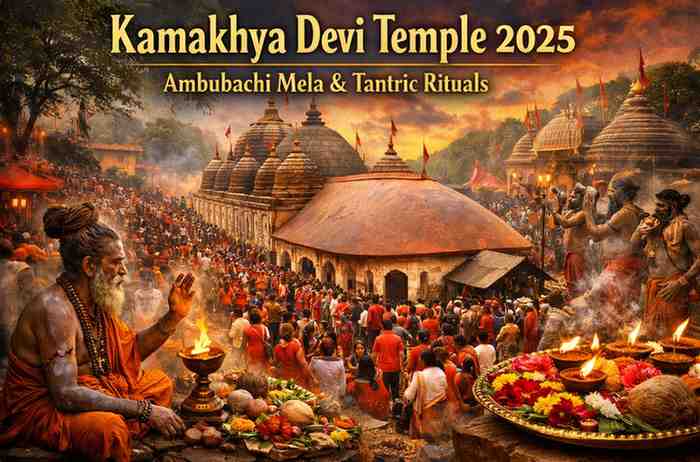
The Kamakhya Devi Temple is one of the most sacred Shakti Peethas in India and a powerful center of tantric worship. Located on the Nilachal Hill in Guwahati, Assam, the temple attracts thousands of devotees, spiritual seekers, and tantric practitioners from across the world. Dedicated to Goddess Kamakhya, a form of the Divine Mother, this ancient shrine is deeply connected with the legend of Goddess Sati and the origins of Shaktism in Hindu tradition.
The Kamakhya Devi Temple is especially famous for the annual Ambubachi Mela, a unique spiritual festival that celebrates the divine feminine energy. During this sacred period, devotees believe the goddess undergoes a symbolic cycle of fertility, making the temple a powerful symbol of creation, nature, and spiritual transformation. Pilgrims gather to witness rare tantric rituals, spiritual practices, and traditional ceremonies that have been performed here for centuries.
Beyond its festivals, the Kamakhya Devi Temple is also known for its mystical traditions, ancient architecture, and profound tantric symbolism. The temple’s rituals, legends, and spiritual teachings make it one of the most fascinating pilgrimage destinations in India. This blog explores the temple’s history, the significance of Ambubachi Mela 2026, important rituals, and the deeper tantric philosophy that continues to shape the spiritual identity of this sacred site.
Also Read :- Padmanabhaswamy Temple Kerala: Mystery, Wealth & Rituals
History of Kamakhya Devi Temple and the Shakti Peetha Legend
Origins of the Temple
Discover the ancient myths and historical evolution of Kamakhya Temple, situated in Guwahati, Assam. It is recognized as one of the oldest Shakti Peethas, centered on the sacred yoni of Goddess Sati.
Divine Feminine Power and Shakti Worship
Learn why Kamakhya is venerated as the womb of tantra and the powerhouse of feminine energy. It draws devotees and tantric practitioners from all over the world.
Also Read :- Meenakshi Temple Madurai 2026: Architecture, Festivals & Legends
Ambubachi Mela: Celebrating the Divine Feminine in 2026
What is Ambubachi Mela?
Understand the essence of Ambubachi Mela, the annual festival marking the menstrual cycle of the goddess. Its spiritual meanings relate to fertility, regeneration, and nature’s rhythms.
Festival Highlights and Rituals
Explore the four-day ritual calendar of Ambubachi Mela 2026—from the temple’s closure for seclusion to the grand reopening and special ceremonies. This includes the participation of naga sadhus and pilgrims.
Also Read :- Himachal Devi Temples: A Divine Journey to Naina Devi, Chintpurni & Jwala Ji
Sacred Rituals at Kamakhya Temple: A Path to Spiritual Awakening
Daily Worship and Special Practices
Insight into the daily pujas, offerings like the red hibiscus flower, and secret tantric rites performed in the temple’s sanctum.
Animal Sacrifices and Other Ceremonial Acts
Discuss the controversial yet traditional offerings, excluding female animals, symbolizing the life force and primal devotion in Kamakhya’s rituals.
Also Read :- Gujarat Temple Tour: Exploring Somnath, Dwarka & Ambaji Circuit
Tantric Significance: Mysteries of Kamakhya
Sacred Yoni and Tantric Power
Analyze the symbolic representation of the natural rock fissure as the goddess’s yoni. It is constantly bathed by a natural spring, epitomizing the eternal creative power.
Influence on Tantra and Spiritual Practices
Learn about the temple’s vital role as a tantra hub. Here, sadhus and spiritual seekers cultivate ancient practices for transformation and enlightenment.
Also Read :- 12 Jyotirlinga Temples in India: Complete Darshan & Travel Guide
Visiting Kamakhya Temple in 2026: Pilgrimage Tips
Best Time to Visit
Ambubachi Mela season and other occasions.
How to Reach and Stay
Guide to transportation, stay , and local customs for pilgrims.
Tantric Significance and Mysteries
Kamakhya is among India’s foremost tantric centers. The natural yoni stone at the sanctum symbolizes eternal creative force. Tantric rituals performed here include offerings, animal sacrifices (typically excluding females), and sadhanas conducted by naga sadhus and aghoris. The temple serves as a magnet for spiritual seekers pursuing mystical knowledge and empowerment.
Also Read :- Ujjain Mahakaleshwar: Bhasma Aarti Booking & Temple Rituals
Visiting Kamakhya Temple in 2026: Tips and Insights
Customs: Dress modestly and follow temple customs to respect local tradition
Best Time to Visit: Ambubachi Mela (June 22-26) offers a unique spiritual experience but expect large crowds. Other times provide quieter visits.
How to Reach: The temple is located atop Nilachal Hill in Guwahati. It is accessible by local transport with steep stairways leading to the sanctum.
Accommodations: Several guesthouses and hotels in Guwahati cater to pilgrims.
The Divine Legend and Mythology Behind Kamakhya
Delve into the epic tale of Goddess Sati, Lord Shiva’s mourning, and how her body parts fell across India, forming the sacred Shakti Peethas. The divine yoni is believed to be sanctified at the Kamakhya Devi Temple, making it one of the most revered centers of Shaktism and tantric traditions. Discover local legends and explore the temple’s pivotal role in shaping spiritual practices connected to the worship of the Divine Mother.
Ambubachi Mela: Symbolism, Spirituality, and Celebration
Get a day-by-day insight into the Ambubachi Mela of 2026. This rare festival celebrates the goddess’s menstruation, covering its cultural significance, ritual closures, and fiery reopenings.
The Ten Mahavidyas and Kamakhya’s Divine Network
Learn about the temple complex which includes shrines dedicated to the ten Mahavidyas— fierce aspects of the Divine Mother. They are located in and around the main shrine, embodying diverse facets of feminine divinity.
Ritual Practices: Worship, Offerings, and Sacrifices
Examine the intensive pujas and offerings of red hibiscus, vermilion, and animal sacrifices. These subserve centuries-old tantric rites, blending devotion with ancient mysticism.
Kamakhya as the Cradle of Tantra
Trace how the temple’s tantric rituals influence spiritual seekers and practitioners worldwide. Explore the role of aghoris and naga sadhus, and the philosophical significance of the yoni stone.
Cultural Resonance and Modern Revival
Highlight Kamakhya’s present-day status as a cultural hub. It includes contemporary festivals, art, and music inspired by the temple’s rich heritage and spiritual energy.
How to Experience Kamakhya Temple in 2026
Practical travel tips include the best time to visit, navigating the temple complex during festivals, accommodation options in Guwahati, and respecting temple customs.
Renewed Pilgrimage Experience in a Changing World
As spiritual tourism grows in 2026, Kamakhya Temple embraces a blend of tradition and innovation. Pilgrims now experience enhanced facilities including improved accessibility for the elderly and disabled. Digital darshan booking systems and guided virtual tours allow global devotees to connect beyond physical boundaries.
Community Engagement and Social Initiatives
The temple trust launched welfare programs this year benefiting Guwahati’s local communities. These include education for girls, women’s healthcare camps, and environmental awareness drives. These programs align with the temple’s core philosophy of nurturing feminine energy and nature.
Environmentally Conscious Festivals
In 2026, the Ambubachi Mela highlighted sustainability with initiatives such as waste segregation, use of biodegradable offerings, and water conservation in the temple premises. These efforts engage pilgrims as active custodians of sacred ecology.
Spiritual Wellness and Healing Workshops
Responding to growing global interest in holistic healing, Kamakhya Temple hosts workshops combining tantric wisdom with modern wellness practices. These include yoga, sound healing, and meditation retreats designed to awaken Kundalini energy and balance mind-body-spirit.
Digital Tantra: Bridging Ancient Rituals and New Media
Kamakhya’s tantric rituals have found new expressions through digital platforms. Live-streamed rituals and online tantric courses spread knowledge to spiritual people worldwide. This fusion inspires a generation blending faith with digital connectivity.
Celebrating Feminine Power Beyond Religion
Kamakhya Devi Temple fosters interfaith dialogues and cultural festivals celebrating the universal feminine principle. These connect spirituality with art, women’s empowerment, and social change in 2026.
Integration of Technology with Tradition
In 2026, Kamakhya Temple has adopted AI-powered crowd management and augmented reality (AR) apps enhancing the pilgrim experience. These technologies help visualize tantric symbols and rituals while guiding devotees respectfully through temple practices, maintaining tradition while embracing the future.
Youth Engagement and Educational Programs
Recognizing the importance of transmitting spiritual heritage, the temple has initiated youth-centric programs, including workshops on Shakti philosophy, tantra, and sustainable worship practices. Collaborations with universities and digital platforms help young devotees connect with ancient wisdom in accessible formats.
Artistic Revivals: Kamakhya in Modern Creative Expressions
Local artists have drawn inspiration from Kamakhya’s symbolism, producing contemporary works ranging from paintings to digital art and theater. These creations are showcased during Ambubachi Mela and cultural festivals, reinforcing the temple’s role as a cultural beacon promoting the feminine divine.
Health and Wellness Integration
The temple complex includes wellness centers offering Ayurveda, naturopathy, and tantric healing therapies aligned with spiritual purification. These centers serve pilgrims and locals, blending ritualistic healing with scientific approaches for holistic wellness.
Environmental Stewardship and Green Temple Initiatives
Continuing its commitment to eco-consciousness, Kamakhya Temple in 2026 intensifies efforts to preserve the Nilachal hill ecosystem. Renewable energy sources, rainwater harvesting, and organic gardens play vital roles, teaching visitors on the sacredness of nature and sustainable living.
Global Spiritual Networking
Kamakhya now hosts international tantric symposia, drawing scholars, practitioners, and spiritualists. These gatherings foster dialogue, spread tantric knowledge ethically, and create global networks nurturing the goddess’s teachings in contemporary contexts.
Digital Dharma: The Temple’s Online Transformation
Kamakhya Temple pioneers digital dharma platforms, incorporating multilingual virtual pilgrimages and AI-guided spiritual coaching. This digital outreach preserves sacred tantric knowledge while making it accessible to a global audience previously limited by geography and language.
Feminine Power and Gender Inclusivity
Kamakhya’s spiritual community actively promotes gender inclusivity, recognizing diverse identities within the framework of Shakti worship. Contemporary rituals now honor feminine power across gender spectrums, fostering a welcoming space for LGBTQ+ devotees and broadening the temple’s embrace.
The Kamakhya Institute of Tantra Studies
Delve into the epic tale of Goddess Sati, Lord Shiva’s mourning, and how her body parts fell across India, forming the sacred Shakti Peethas. The divine yoni is believed to be sanctified at the Kamakhya Devi Temple, making it one of the most revered centers of Shaktism and tantric traditions. Discover local legends and explore the temple’s pivotal role in shaping spiritual practices connected to the worship of the Divine Mother.
Cultural Diplomacy Through Kamakhya Festivals
The temple’s festivals serve as cultural diplomacy platforms, inviting international artists and spiritual leaders to foster intercultural understanding. These events highlight Kamakhya’s role as a bridge between tradition and contemporary cultural expressions.
Ecological and Spiritual Symbiosis
Recent ecological initiatives have transformed the temple environs into a biodiversity sanctuary, symbolizing the union of divine feminine and mother earth. Educational trails, meditation groves, and permaculture gardens teach visitors reverence for nature’s cycles, integral to tantric philosophy.
Pilgrimage Innovations: Enhancing Devotee Wellness
Pilgrimage programs include aroma therapies, sound baths tuned to tantric frequencies, and plant-based diets reflective of shakti’s purity tenets, physical and spiritual rejuvenation for devotees.
The Role of Kamakhya in Regional Mythology
Kamakhya is not just a temple but a symbol woven deeply into Assam’s folklore and mythology. The goddess symbolizes the primal cosmic energies and is credited with influencing rituals, festivals, and local arts for centuries. The temple thus acts as a cultural repository preserving ancient Assamese traditions alongside pan-Indian Shakti worship.
Pilgrim Testimonials: Transformations at Kamakhya
Recent interviews and pilgrim diaries from 2026 reveal powerful personal transformations. Many report experiences of healing, emotional release, and profound spiritual insights following darshan and participation in Ambubachi rituals, reinforcing the temple’s reputation as a site of divine intervention.
Women’s Empowerment Linked to Kamakhya
The temple actively promotes women’s spiritual leadership with priests, scholars, and event organizers predominantly female. Annual women’s retreats focusing on Shakta tantra and feminist spirituality offer empowering experiences that resonate beyond the temple walls.
Artisans and Local Economy
Kamakhya sustains a vibrant local economy through artisanal crafts—especially textiles, ritual objects, and red hibiscus flower cultivation—connecting spirituality with livelihood and preserving age-old crafts integral to religious practice.
Evolving Rituals: Blending Tradition and Modernity
While core rituals remain unchanged, Kamakhya incorporates wellness-oriented practices such as yoga nidra sessions on temple grounds and guided meditations emphasizing divine feminine energy, adapting to evolving spiritual sensibilities of contemporary worshippers.
Integration of Ayurveda and Tantra
In 2026, Kamakhya Temple incorporates Ayurveda therapies linked with tantric practices, offering pilgrims holistic healing for physical and spiritual ailments. Herbal medicine workshops, purification rituals, and dietary guidance align with ancient texts, helping devotees maintain balance and vitality.
Sacred Music and Dance Traditions
The temple hosts performances of traditional Assamese folk music and dance forms like Sattriya during Ambubachi Mela and annual festivals, preserving intangible cultural heritage. These art forms invoke the goddess’s energy and create immersive devotional atmospheres enhancing collective spiritual experience.
Role in Environmental Conservation
Recognizing the interconnectedness of nature and the divine feminine, the temple spearheads initiatives such as organic flower farming, migratory bird conservation, and preservation of Nilachal Hill biodiversity. Collaboration with environmental NGOs educates pilgrims about ecological responsibility as a sacred duty.
Kamakhya and the Global Spiritual Discourse
The Kamakhya Devi Temple participates in global spiritual conferences, sharing tantric wisdom and emphasizing feminine empowerment worldwide. Through these initiatives, the Kamakhya Devi Temple also inspires online forums and cross-cultural workshops that foster respectful dialogue, bridging Eastern mysticism with Western mindfulness and wellness movements.
Stories from Sadhus and Devotees
In 2026, numerous narratives from naga sadhus and longtime devotees surface, revealing personal spiritual awakenings, mystical experiences, and the temple’s enduring role as a sanctuary from life’s turbulence, underscoring Kamakhya as a beacon of hope and transformation.
Modern Enhancements
Digital darshan, virtual reality tours, AI crowd management, and community wellness programs blending Ayurveda, yoga, and tantra enrich the pilgrim experience while sustaining ancient traditions.
Environmental Stewardship and Social Impact
Kamakhya actively promotes ecological conservation around Nilachal Hill, supports local artisans, and leads gender-inclusive spiritual activities, reflecting progressive values embedded in ancient faith.
Spiritual Testimonies and Global Outreach
Devotees report profound personal transformations, while the temple hosts international tantric symposia and digital forums, positioning Kamakhya as a dynamic nexus of spirituality and culture.
Embracing Ancient Tantra in Contemporary Times
Kamakhya Temple holds firm to its tantric origins while making teachings accessible through education and meditation workshops focusing on kundalini awakening and energy balance.
Eco-Spiritual Initiatives for Sustainable Worship
In 2026, the temple promotes ecological harmony by encouraging sustainable rituals, including sacred grove plantations and eco-friendly offerings, to preserve Nilachal Hill’s environment.
Digital Innovations Enhancing Pilgrimage
Visitors benefit from GPS-aided pilgrimage routes, multilingual audio guides, and virtual reality darshan, ensuring immersive and inclusive spiritual experiences.
Cultural Revival Through Arts and Festivals
Kamakhya fosters cultural richness by supporting art, dance, and music inspired by the divine feminine, especially during Ambubachi Mela and related temple events.
Frequently Asked Questions (FAQs) – Kamakhya Devi Temple
1. What is Kamakhya Devi Temple famous for?
Kamakhya Devi Temple in Guwahati, Assam, is one of the most important Shakti Peethas in India and is renowned for its tantric worship traditions and the sacred Ambubachi Mela festival.
2. What is the Ambubachi Mela at Kamakhya Temple?
Ambubachi Mela is an annual festival that celebrates the divine feminine power of Goddess Kamakhya. It marks the symbolic menstruation of the goddess and attracts thousands of devotees and tantric practitioners.
3. When will Ambubachi Mela be celebrated in 2026?
Ambubachi Mela 2026 is expected to take place in June, when the temple remains closed for three days and reopens with special rituals and celebrations.
4. Why is Kamakhya Temple significant in Tantra?
Kamakhya Temple is considered one of the most powerful tantric centers in India where tantric rituals and spiritual practices are performed by devotees and spiritual practitioners.
5. Where is Kamakhya Devi Temple located?
The temple is located on Nilachal Hill in Guwahati, Assam, overlooking the Brahmaputra River.
6. What is the mythological significance of Kamakhya Temple?
According to Hindu mythology, Kamakhya Temple marks the spot where the yoni of Goddess Sati fell, making it a sacred Shakti Peetha.
7. What rituals are performed at Kamakhya Temple?
Common rituals include tantric worship, special pujas to Goddess Kamakhya, animal offerings in traditional practices, and prayers seeking spiritual power and blessings.
8. When is the best time to visit Kamakhya Temple?
The best time to visit is between October and March, although many devotees visit during Ambubachi Mela to witness the temple’s unique rituals.
9. Is Kamakhya Temple open throughout the year?
Yes, the temple remains open throughout the year except during the Ambubachi Mela period when it closes for three days.
10. How can devotees reach Kamakhya Temple?
Kamakhya Temple is easily accessible from Guwahati city. The nearest airport is Lokpriya Gopinath Bordoloi Airport and the nearest railway station is Guwahati Railway Station.
Conclusion
Kamakhya Devi Temple in 2026 embodies the convergence of deep-rooted tradition, feminine divine energy, and tantric mysticism. The Ambubachi Mela, coupled with timeless rituals, makes the temple a unique spiritual haven for seekers worldwide.
8 Comments