
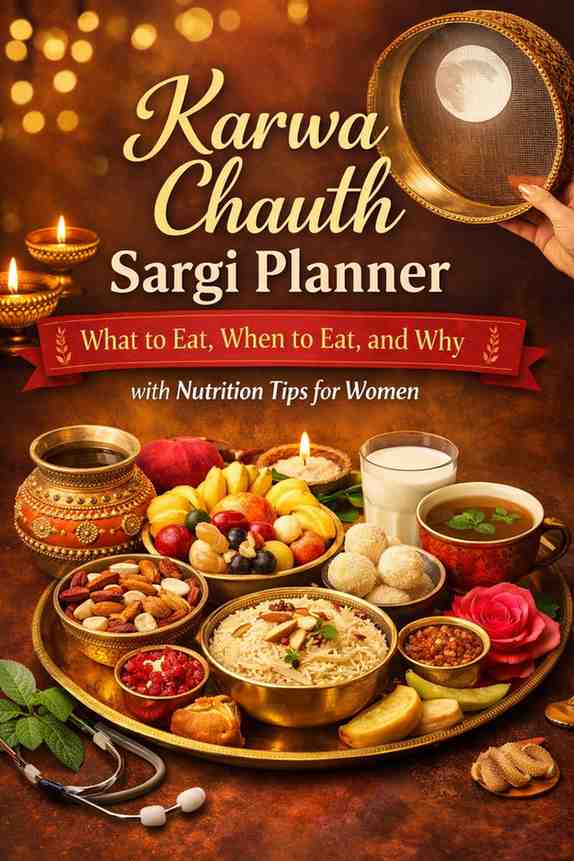
Karwa Chauth is one of the most special festivals celebrated by married women in India, especially in North India. On this day, women fast from sunrise to moonrise, praying for the long life and well-being of their husbands. The fast is strict—many women do not eat or even drink water until they see the moon.
The day begins with Sargi, an early morning meal prepared lovingly by the mother-in-law. Sargi is not just a ritual; it is also the most important meal of the day because it gives strength to the woman fasting for the next 12–14 hours without food or water.
Also Read ;- 25 Unique Raksha Bandhan Gift Ideas 2026
Karwa Chauth 2026: Important Date & Time Sheet
| Event | Date | Time (IST) | Why It Matters |
|---|---|---|---|
| Karwa Chauth Date | Thursday, 22 October 2026 | — | Main fasting day observed by married women |
| Sargi (Pre-dawn Meal) | 22 October 2026 | Before Sunrise (approx. 4:30 – 5:30 AM) | Last meal before starting the nirjala fast |
| Sunrise | 22 October 2026 | Approx. 6:30 AM | Fasting begins after sunrise |
| Karwa Chauth Puja Muhurat | 22 October 2026 | 05:50 PM – 07:05 PM | Most auspicious time to perform Karwa Chauth puja |
| Moonrise | 22 October 2026 | Approx. 08:10 PM | Fast is broken after sighting the moon |
| Fast Breaking (Parana) | 22 October 2026 | After Moonrise | Water and food are consumed after moon worship |
Note: Timings may vary slightly based on location. Always check local Panchang or temple announcements.
What is Sargi?
Sargi is a pre-dawn thali (plate) of food given by the mother-in-law to the daughter-in-law. It usually includes fruits, dry fruits, sweets (like mithai or seviyan), parathas, and some drinks. The idea is to provide a balanced meal that gives energy, hydration, and nutrition for the entire day ahead.
When to Eat Sargi?
- Time: Sargi is eaten before sunrise, usually around 4:00 am to 5:00 am.
- Why: Once the sun rises, women cannot eat or drink anything until the moon is visible at night. Eating early helps the body digest food properly and prepares it for a long fasting period.
What to Eat in Sargi (and Why)
Here is a simple planner of what you can include in your Sargi thali, along with the reasons:
1. Fruits (Water-rich and Seasonal)
- Options: Banana, apple, pomegranate, papaya, watermelon, grapes.
- Why: Fruits are rich in fiber, vitamins, and natural sugar that provide energy and hydration throughout the day. Pomegranates and bananas keep you fuller for longer.
2. Dry Fruits & Nuts
- Options: Almonds, cashews, walnuts, pistachios, raisins, dates.
- Why: They are a powerhouse of protein, healthy fats, and minerals. Dates are especially good because they give instant energy and help prevent weakness during fasting.
3. Seviyan (Vermicelli Kheer) or Kheer
- Why: This traditional sweet is made with milk, vermicelli, and dry fruits. Milk gives protein and calcium, vermicelli provides carbs for energy, and dry fruits add strength.
4. Paratha or Puri with Sabzi
- Why: A proper meal like paratha with aloo, paneer, or mixed vegetable sabzi gives complex carbohydrates and protein. This keeps you full and prevents acidity during the day.
5. Milk or Lassi
- Why: A glass of milk or lassi provides hydration and protein. It also prevents dehydration and acidity while fasting.
6. Coconut Water or Fresh Juice (Optional)
- Why: If taken early, coconut water helps maintain electrolyte balance and prevents weakness.
Nutrition Tips for Sargi
- Do not skip any food group: include carbs, proteins, fats, and fiber.
- Avoid oily, fried, and too spicy food in the morning, as it may cause acidity later.
- Drink at least 2–3 glasses of water before sunrise to keep the body hydrated.
- Prefer home-cooked meals over heavy sweets from outside.
Why This Meal is Important
The body needs fuel to function, and since the fast is long and without water, a well-balanced Sargi ensures:
- Energy Supply – Carbs and fats give long-lasting energy.
- Hydration – Fruits, milk, and water keep you hydrated for hours.
- Nutrient Balance – Dry fruits and vegetables provide vitamins and minerals to prevent fatigue.
- Prevention of Weakness – A wholesome meal reduces dizziness, headaches, and acidity.
Also read – 10 Easy and Healthy Sargi Recipes for Karwa Chauth 2026: From Classic to Modern
The Fasting Period (After Sargi Until Moonrise)
Once you finish Sargi before sunrise, the fasting begins. This is the toughest part, but it can be managed better if you prepare well.
Things to Keep in Mind:
- Stay indoors or in shade as much as possible to conserve energy.
- Avoid heavy physical work during the day.
- Keep yourself engaged in light activities, prayers, or festive preparations.
- If you feel dizzy or unwell, do not ignore—health should always come first.
Benefits of Karwa Chauth Fasting
Though it is mainly a cultural and religious practice, fasting on Karwa Chauth has some health and emotional benefits too:
- Detox for the Body – A day of fasting gives your digestive system a break.
- Improved Self-control – It strengthens mental discipline and patience.
- Hydration Awareness – Since you go without water, you realize the importance of hydration and may drink more water daily afterward.
- Bonding & Emotional Health – The ritual builds emotional closeness between husband and wife and strengthens family ties.
- Mindful Eating – Preparing Sargi carefully makes you aware of what you eat, promoting better food habits later.
Breaking the Fast (Moonrise Ritual)
When the moon appears, women look at it through a sieve, offer prayers, and then break their fast with water and food given by their husbands.
What to Eat First
- Start with a sip of water.
- Then take something light and easily digestible, like a date or fruit.
- Avoid starting directly with fried or heavy foods, as the stomach is empty and sensitive.
Ideal Dinner After Karwa Chauth
- Light dal, roti, sabzi, curd, or khichdi.
- Avoid overeating, as it can cause bloating and indigestion.
Do’s and Don’ts of Karwa Chaut
Do’s
- Eat a balanced Sargi with all food groups.
- Drink plenty of water before sunrise.
- Rest during the day to conserve energy.
- Break your fast slowly with light food.
- Listen to your body—health is more important than tradition.
Don’ts
- Do not skip Sargi or eat just sweets; you will feel weak.
- Avoid too much tea or coffee in the morning—they cause dehydration.
- Don’t overeat after breaking the fast; your stomach cannot handle heavy food immediately.
- Avoid spicy, oily, or junk food before and after fasting.
- Pregnant women, breastfeeding mothers, and those with health issues (like diabetes, heart problems) should consult a doctor before fasting.
Frequently Asked Questions About Karwa Chauth Sargi
What is sargi in Karwa Chauth?
Sargi is the pre-dawn meal eaten by married women before starting the Karwa Chauth fast. It is traditionally prepared by the mother-in-law and includes foods that help maintain energy, hydration, and nutrition throughout the nirjala fast.
What is the best time to eat sargi on Karwa Chauth?
Sargi should be eaten before sunrise, usually between 4:00 AM and 5:30 AM depending on the local sunrise time. It is best to finish the meal at least 30 minutes before sunrise.
What foods should be included in sargi for Karwa Chauth?
An ideal sargi includes fresh fruits, soaked dry fruits, whole grains such as roti or paratha, curd or milk, nuts, and a light sweet. These foods provide sustained energy and prevent dehydration during the fast.
Which foods should be avoided during sargi?
Spicy, salty, deep-fried, and very sugary foods should be avoided as they increase thirst, cause acidity, and may lead to weakness during the day-long fast.
Why is hydration important during sargi?
Karwa Chauth is a nirjala fast, meaning no food or water is consumed during the day. Drinking enough water, milk, or coconut water during sargi helps prevent headaches, fatigue, and dehydration.
Can pregnant or breastfeeding women observe Karwa Chauth fast?
Pregnant and breastfeeding women are advised not to observe a strict Karwa Chauth fast. If they choose to participate, they should follow a modified fast and consult a doctor beforehand.
What should diabetic women eat in sargi?
Diabetic women should choose low glycemic foods such as whole grains, nuts, seeds, low-sugar fruits, and protein-rich items. Medical advice is strongly recommended before fasting.
How can women avoid weakness or dizziness during Karwa Chauth fast?
Consuming a balanced sargi with complex carbohydrates, protein, healthy fats, and adequate fluids helps maintain stable energy levels and reduces the risk of dizziness.
What should be eaten after breaking the Karwa Chauth fast?
After breaking the fast, begin with water or milk, followed by fruits or light meals. Avoid heavy, oily foods immediately to prevent digestive discomfort.
Is Karwa Chauth fasting safe for women?
Karwa Chauth fasting is generally safe for healthy women when proper nutrition and hydration are maintained. Women with health conditions should consider symbolic fasting or seek medical guidance.
Final Thoughts
Karwa Chauth is not only about fasting—it is about love, prayers, and devotion. But to make the day smooth, you must plan your Sargi wisely. A nutritious pre-dawn meal rich in fruits, dry fruits, wholesome grains, and fluids will help you stay strong and hydrated throughout the day.
Remember, fasting is meaningful only when done with good health and a positive mind. Celebrate the festival with joy, but never compromise your well-being.
Read about – Gudiya Festival 2026: A Deep Dive into the Gudiya Festival and its Connection with Nag Panchami

1 Comment