Introduction
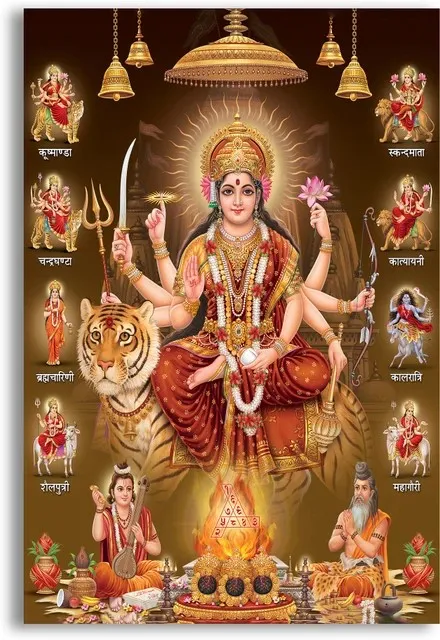
Magh Gupta Navratri 2026 is one of the most spiritually profound and esoteric Navratri observances in Hindu tradition. Unlike Chaitra and Sharad Navratri, which are celebrated openly with grand rituals and social festivities, Gupta Navratri is observed quietly and inwardly. The term Gupta means hidden or secret, symbolizing deep spiritual discipline, inner purification, and advanced sadhana practices.
Observed during the sacred Magh month, this Navratri is especially significant for tantra sadhaks, yogis, and seekers of Shakti energy. However, household devotees can also observe it with faith through fasting, charity, mantra chanting, and disciplined living.
Also Read :- Lohri 2026: Date, Rituals & Significance in North India
Magh Gupta Navratri 2026 Dates and Tithi Details
Knowing the correct dates is essential for proper observance and spiritual alignment.
Important Dates
- Start (Pratipada): Monday, 19 January 2026
- Pratipada Tithi begins at 01:21 AM
- End (Navami): Tuesday, 27 January 2026 or Wednesday, 28 January 2026
The difference in the ending date occurs due to regional Panchang calculations and Navami Tithi duration.
Kalash Sthapana Muhurat – 19 January 2026
Kalash Sthapana, also known as Ghatasthapana, marks the formal beginning of Navratri. Performing it during a shubh muhurat is believed to attract divine energy and ensure successful sadhana.
Auspicious Muhurat Timings
- Primary Muhurat: 08:34 AM to 09:59 AM
- Extended Shubh Muhurat: 07:14 AM to 10:46 AM
Devotees should avoid Rahu Kalam while performing Kalash Sthapana unless guided by a learned astrologer.
Abhijit Muhurat Significance
Abhijit Muhurat is considered extremely auspicious for spiritual initiation and mantra practice.
- Abhijit Muhurat (19 January 2026): 12:13 PM to 12:58 PM
Ideal activities during this time include sankalp taking, mantra initiation, and beginning Mahavidya sadhana.
How Magh Gupta Navratri Is Different from Other Navratris
Magh Gupta Navratri differs significantly from Sharad and Chaitra Navratri:
- Observed privately rather than publicly
- Focuses on inner spiritual discipline
- Emphasizes tantra, mantra, and yantra practices
- Ideal for siddhi, protection, and spiritual awakening
Most sadhanas during this period are performed silently and often under the guidance of a guru.
Importance for Tantra Sadhaks
This Navratri is highly revered among tantra practitioners due to heightened cosmic Shakti energy. It is believed that mantra siddhi and spiritual progress occur faster during this period.
Key Benefits
- Enhanced mantra effectiveness
- Protection from negative energies
- Awakening of Kundalini Shakti
- Blessings of the Ten Mahavidyas
Advanced sadhaks often engage in night-time sadhana, beej mantra japa, yantra puja, and homa rituals.
The Ten Mahavidyas and Their Significance
The spiritual essence of Magh Gupta Navratri lies in the worship of the Ten Mahavidyas, the supreme wisdom forms of Goddess Shakti.
- Kali: Transformation and destruction of ignorance
- Tara: Guidance and compassion
- Tripura Sundari: Divine beauty and bliss
- Bhuvaneshwari: Cosmic creation
- Tripura Bhairavi: Fierce spiritual power
- Chhinnamasta: Ego dissolution
- Dhumavati: Detachment and renunciation
- Bagalamukhi: Control over negativity
- Matangi: Knowledge and speech mastery
- Kamala: Prosperity and abundance
Special Importance of 26 January 2026
According to tantric traditions, 26 January is especially auspicious for the worship of Maa Tripura Bhairavi. Her sadhana helps remove fear, destroy obstacles, and break karmic blockages.
Puja Vidhi for Magh Gupta Navratri
Step-by-Step Puja Method
- Wake up during Brahma Muhurat
- Take a purifying bath
- Perform Kalash Sthapana on the first day
- Invoke Goddess Durga or the chosen Mahavidya
- Chant Durga Saptashati or relevant mantras
- Light a ghee lamp daily
- Offer flowers, fruits, and incense
- Maintain silence or limited speech
Fasting Rules and Dietary Guidelines
Fasting helps purify the body and mind during Navratri.
Common Practices
- Nirjala Vrat
- Phalahar Vrat
- One sattvic meal per day
Avoid
- Alcohol
- Non-vegetarian food
- Onion and garlic
Guidelines for Household Devotees
Householders can observe this Navratri with simple yet powerful practices:
- Morning bath and cleanliness
- Charity and donations
- Chanting Durga or Shiva mantras
- Observing Maun Vrat when possible
Spiritual Benefits
- Reduction of negative karmas
- Inner peace and clarity
- Strengthened willpower
- Divine protection
- Grace of the Divine Mother
Dos and Don’ts
Dos
- Maintain purity of mind and body
- Follow discipline and routine
- Respect the secrecy of sadhana
Don’ts
- Avoid ego and show-off
- Do not mock spiritual practices
- Avoid distractions and negativity
Conclusion
Magh Gupta Navratri 2026 is a sacred opportunity for deep inner transformation and divine connection. Whether you are a dedicated tantra sadhak or a sincere householder, observing this Navratri with faith, discipline, and devotion can lead to profound spiritual growth. Beginning on 19 January 2026, these nine powerful days invite seekers to awaken Shakti energy and experience the hidden grace of Maa Durga in her most mystical form.
Also Read :- Surya Uttarayan 2026: Spiritual Meaning & Astrology Impact