
Introduction and Overview
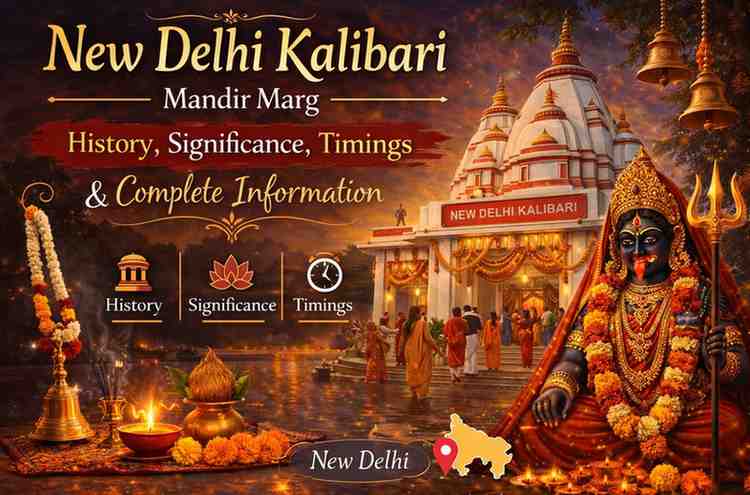
New Delhi Kalibari, located on the prominent Mandir Marg in the heart of the capital city, stands as one of the most significant spiritual and cultural landmarks for the Bengali community and devotees of Goddess Kali in Delhi. More than just a place of worship, the temple represents a vibrant center of faith, tradition, and community life. For decades, it has served as a sacred space where spirituality, cultural heritage, and devotional practices come together under one roof.
Dedicated to Maa Kali—the powerful embodiment of Shakti—the temple reflects the deep-rooted traditions of the Bengali Shakta lineage. Goddess Kali, revered as both fierce protector and compassionate mother, symbolizes the destruction of negativity and the ultimate triumph of divine truth. Her presence at New Delhi Kalibari is not only a source of spiritual strength but also a reminder of resilience, courage, and transformation in the lives of devotees.
Established to serve the spiritual needs of the growing Bengali population in Delhi, the temple gradually evolved into a prominent religious institution welcoming devotees from all communities. Its architecture, rituals, and festivals reflect authentic Bengali customs, particularly during major celebrations like Durga Puja and Kali Puja, when the temple transforms into a magnificent center of devotional energy and cultural expression.
The temple premises often resonate with the sound of conch shells, devotional chants, and the fragrance of incense, creating a deeply immersive spiritual atmosphere. Daily aartis, bhog offerings, and community gatherings strengthen the bond between devotees and the divine. It is not uncommon to see families, students, professionals, and elderly devotees gathering together—each seeking blessings, peace, and spiritual guidance.
New Delhi Kalibari also plays a vital role in preserving cultural identity. Beyond religious ceremonies, it hosts social events, spiritual discourses, and community programs that foster unity and harmony. In a bustling metropolitan city like Delhi, the temple stands as a tranquil sanctuary where one can pause, reflect, and reconnect with inner strength.
In essence, New Delhi Kalibari is more than a temple—it is a spiritual home. It symbolizes devotion, cultural continuity, and the enduring power of Maa Kali’s blessings in the lives of countless devotees who visit this sacred shrine each year.
Also Read;- Black Magic Removal Puja – Powerful Protection Remedies, Havan
Historical Background and Origin
The New Delhi Kalibari was established in the mid-20th century by Bengalis who migrated to Delhi and sought to recreate their cultural and religious heritage. The temple quickly grew into a thriving center for Kali worship, attracting devotees not only from the Bengali diaspora but also from diverse backgrounds seeking Maa Kali’s divine protection.
The genesis of the temple aligns with the broader Bengali cultural renaissance in Delhi during the post-independence era. It began as a modest shrine and has since expanded through community support, donations, and dedicated management.
Also Read;- Pitru Dosh Puja Cost, Symptoms & Tripindi Shraddh Procedure (2026 Complete Guide)
Architectural Description and Artistry
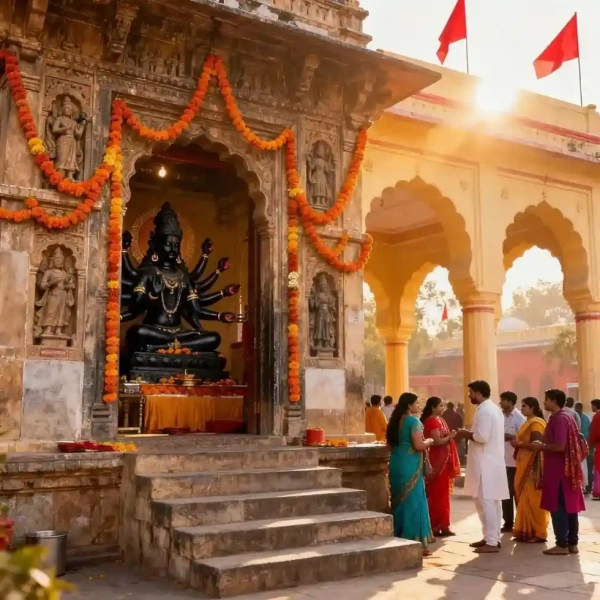
The temple architecture reflects traditional Bengali temple design, featuring intricate terracotta work, carving, and murals depicting mythological scenes of Goddess Kali’s exploits. The sanctum sanctorum enshrines a striking idol of Maa Kali with her iconic garland of skulls, sword, and fierce yet maternal posture.
A unique blend of contemporary and traditional art influences embellish the temple’s interiors, resonating with the spiritual sentiments of worshippers while preserving cultural authenticity.
Also Read;- Kaal Sarp Dosh Puja – Benefits, Cost & Ujjain Vidhi (2026 Complete Guide)
Religious Significance and Deity Worship
New Delhi Kalibari holds immense religious significance as a vibrant center of Shakti worship. Maa Kali worship here is synonymous with devotion, empowerment, and spiritual salvation. The temple functions as a crucial node connecting the spiritual needs of Kali devotees in a metropolitan context.
The idol of Maa Kali is revered with continual rituals, mantras, and pujas seeking her blessings for protection, wellbeing, and worldly prosperity.
Also Read;- Navagraha Shanti Puja – Benefits, Cost, Vidhi & Online Booking (2026 Complete Guide)
Cultural and Community Role
Beyond its religious activities, the temple is a hub for Bengali cultural celebrations, including Durga Puja, Kali Puja, and other festivals. These events foster community bonding, preserve traditions, and provide a vibrant platform for cultural expression through music, dance, and poetry.
The temple also organizes educational workshops, spiritual discourses, and charity events, contributing to the social welfare of its community members.
Festivals and Celebrations
The major festival celebrated here is Kali Puja, coinciding with Diwali. The temple complex animates with colorful lights, ritualistic fervor, cultural performances, and a collective spiritual ecstasy. Navratri and Durga Puja are equally significant, observed with grand processions and daily aartist.
Rituals and Worship Practices
Daily worship includes early morning and evening aartis, chanting of mantras, and offering of flowers, sweets, and incense. Devotees often pledge vows and offer symbolic sacrifices to please Maa Kali. Special tantric rituals observed here root the temple in the deeper Shakta tradition.
Temple Timings and Visitor Guidelines
The temple remains open daily from 6:00 AM to 9:00 PM, with extended hours during festivals. Visitors are advised to maintain decorum, dress modestly, and observe temple customs. Photography is generally restricted inside the sanctum to maintain sanctity.
Temple Management and Maintenance
Managed by a dedicated trust comprising community leaders and priests, the temple ensures cleanliness, security, and smooth conduct of rituals. Regular renovations and expansions have improved infrastructure and visitor amenities.
Visitor Facilities and Accessibility
The temple is easily accessible by public transport, with nearby metro stations and ample parking. Facilities include prayer halls, seating areas, shops selling religious paraphernalia, and restrooms.
Experiences and Testimonials from Devotees
Devotees report profound spiritual experiences and personal transformation after visiting the temple. Testimonials frequently mention the temple’s serene ambiance, the power of collective devotion, and the goddess’s perceived blessings.
Nearby Attractions and Related Places of Worship
Visitors can also explore other cultural and religious sites in central Delhi, including Bangiya Samaj, Birla Mandir, and various historic monuments, enriching their spiritual and cultural journey.
Preservation Efforts and Future Developments
Ongoing preservation projects focus on restoring traditional art and upgrading temple facilities. Plans for enhanced outreach programs aim to promote Shakta traditions and community engagement.
Impact on the Bengali Community in Delhi
The temple has emerged as a symbol of Bengali identity in Delhi, serving as a spiritual home and cultural sanctuary for generations. It plays a key role in preserving language, customs, and religious practices in a cosmopolitan setting.
Spiritual Practices and Unique Traditions
New Delhi Kalibari follows traditional Bengali Shakta rituals closely, especially those prescribed for Goddess Kali. The temple features tantric-inspired worship styles that include the chanting of powerful mantras such as the Kali Mahakali and the recitation of sacred texts like the Kalika Purana. Special midnight pujas are held during significant auspicious periods, drawing dedicated spiritual seekers who believe that the energy of Maa Kali is most potent at these hours.
The temple also promotes the practice of Bhajans and Kirtans, devotional songs that narrate epic tales of the goddess’s valor and benevolence. These sessions foster community bonding and spiritual upliftment.
Role During National and Community Events
Apart from religious functions, New Delhi Kalibari plays a pivotal role during national and cultural celebrations such as Independence Day, Republic Day, and Bengali New Year (Poila Boishakh). The temple organizes cultural programs, patriotic events, and communal feasts that highlight the integration of spiritual and cultural identities in a metropolitan city.
Youth and Educational Initiatives
Understanding the importance of engaging younger generations, the temple trust runs workshops and classes introducing Bengali literature, music, and religious teachings. These initiatives aim to nurture cultural pride and keep traditions alive in the youth.
Artistic and Cultural Exhibitions
Kalikaji Mandir regularly hosts exhibitions featuring traditional Bengali crafts, paintings related to Goddess Kali, and contemporary art inspired by Shakta themes. These exhibitions attract art lovers and devotees, supporting local artisans and enhancing cultural appreciation.
Charity and Social Outreach
The temple actively participates in social service, operating charitable programs including food distribution (langar), health camps, and educational scholarships. This community service reflects the temple’s commitment not just to spirituality but to broad-based social welfare.
Environmental Stewardship
In recent years, the temple has adopted eco-friendly practices such as waste segregation, use of biodegradable offerings, and energy-efficient lighting during festivals to minimize environmental impact, aligning spiritual celebrations with ecological responsibility.
Visitor Tips for an Enriching Experience
- Arrive early during festivals to avoid rush and fully absorb elaborate rituals.
- Participate in community bhajans and seek blessings from the temple priests.
- Explore cultural exhibitions to deepen understanding of Bengali heritage.
- Respect temple customs, especially during tantric rituals which might be restricted to initiated devotees.
- Engage with temple volunteers to learn about upcoming events and spiritual discourses.
Technology and Digital Presence
New Delhi Kalibari maintains an active digital presence, offering live streaming of major festivals and pujas. Devotees unable to visit physically can still partake in the temple’s spiritual activities through online platforms, reflecting modern adaptations of ancient faith.
Frequently Asked Questions (FAQs)
1. Where is New Delhi Kalibari located?
New Delhi Kalibari is located on Mandir Marg in central New Delhi, India.
2. Which deity is worshipped at New Delhi Kalibari?
The temple is dedicated to Goddess Kali, worshipped in the traditional Bengali Shakta tradition.
3. What is the historical significance of New Delhi Kalibari?
The temple was established by the Bengali community in Delhi and serves as an important spiritual and cultural center.
4. What are the temple timings?
The temple generally opens in the early morning and remains open until evening, with special hours during festivals.
5. When is the best time to visit New Delhi Kalibari?
Durga Puja and Kali Puja are the most vibrant times to visit, with grand celebrations and rituals.
6. Are special rituals performed at the temple?
Yes, daily aarti, bhog offerings, and special pujas are conducted regularly.
7. Is there an entry fee to visit the temple?
No, entry to New Delhi Kalibari is free for devotees and visitors.
8. Can tourists visit New Delhi Kalibari?
Yes, the temple is open to all visitors who wish to experience its spiritual atmosphere.
9. Is photography allowed inside the temple?
Photography policies may vary; visitors should follow temple guidelines.
10. How can one reach New Delhi Kalibari?
The temple is easily accessible by metro, bus, and taxi within Delhi.
Conclusion: Spiritual Importance and Legacy
New Delhi Kalibari, Mandir Marg, stands as a powerful testament to enduring faith, cultural pride, and spiritual devotion. For devotees and visitors alike, it offers a sacred space to connect with Maa Kali’s divine energy, renew hope, and celebrate rich heritage in the heart of India’s capital.
This comprehensive overview provides detailed knowledge about New Delhi Kalibari’s history, culture, and religious importance, making it an essential guide for devotees and cultural enthusiasts.
References
- Official New Delhi Kalibari Temple Information & On-Site Temple Authorities.
- Delhi Tourism Board – Religious and Cultural Sites of Delhi.
- Historical Accounts of Bengali Community Temples in Delhi.
- Hindu Shakta Tradition Texts & Kali Worship Practices.
2 Comments