
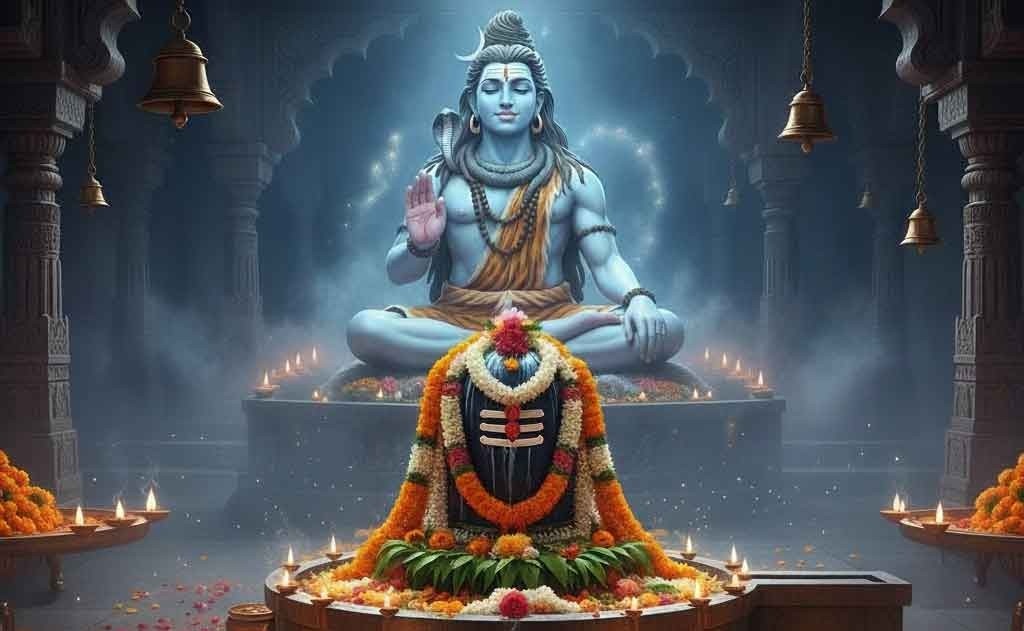
Shivratri in January 2026 is an important fasting day dedicated to Lord Shiva, observed by devotees across India and abroad with night-long worship, strict vrat rules, and special puja rituals. This January Shivratri holds spiritual significance as it falls during the sacred Magha month, making it ideal for Shiva abhishek, mantra chanting, and seeking blessings for health, peace, and liberation.
Shivratri, meaning “The Night of Lord Shiva”, is one of the most sacred nights in Hinduism. Observed every month as Masik Shivratri and once a year as Maha Shivratri, this divine night is dedicated to Lord Shiva—the destroyer of negativity, ignorance, and ego.
Millions of devotees across India and the world search daily for “next Shivratri after today” to plan fasting, temple visits, and night-long worship. Shivratri is believed to be the most auspicious night to seek liberation (moksha), spiritual awakening, health, prosperity, and marital harmony.
Also Read :- Pradosh Vrat January 2026: Date, Puja Muhurat & Fasting Rules
Shivratri in January 2026 Dates
Masik Shivratri is observed every Krishna Paksha Chaturdashi (14th day of the waning moon) of each lunar month. It holds immense importance for devotees who cannot wait until Maha Shivratri.
Devotees often search “next shivratri date” because even a single Shivratri vrat is believed to wash away accumulated sins and negative karmas.
Shivratri Puja Timing & Nishita Kaal
Why Nishita Kaal Is Important
Nishita Kaal (midnight period) is considered the most sacred time to worship Lord Shiva. According to scriptures, Lord Shiva performed the cosmic Tandava during this time.
Typical Puja Timing
- Shivratri Begins: Evening of Chaturdashi
- Nishita Kaal Puja: Around midnight
- Parana (Fast Breaking): Next day after sunrise
If Nishita Kaal is not possible, devotees may perform puja during Pradosh Kaal (evening time).
Complete Shivratri in January 2026 Puja Vidhi (Step-by-Step)
Required Puja Samagri
- Shiva Lingam or picture of Lord Shiva
- Ganga Jal / Milk / Water
- Bel Patra (Bilva Leaves)
- White flowers (Datura preferred)
- Sandalwood paste
- Dhatura, fruits
- Incense, diya
- Honey, curd, ghee (Panchamrit)
Shivratri Abhishek Ritual
Perform Abhishek in the following order:
- Water Abhishek – purification of soul
- Milk Abhishek – peace & purity
- Curd Abhishek – prosperity
- Honey Abhishek – sweetness in life
- Ghee Abhishek – strength & victory
Chant during Abhishek:
“ॐ नमः शिवाय”
Night-Long Worship (Jagran)
True Shivratri devotees stay awake all night chanting:
- Shiva Chalisa
- Maha Mrityunjaya Mantra
- Rudram Path
- Shiva Tandava Stotram
Shivratri Fasting Rules (Vrat Vidhi)
Types of Shivratri Fast
1️⃣ Nirjala Vrat (Strict Fast)
- No food or water for 24 hours
- Recommended for experienced devotees
2️⃣ Phalahar Vrat
- Fruits, milk, coconut water allowed
- Most common & safe option
3️⃣ One-Time Meal Fast
- Single sattvic meal in evening or next day
Foods to Avoid
- Grains (rice, wheat)
- Onion & garlic
- Non-vegetarian food
- Alcohol
Foods Allowed
- Fruits
- Milk, curd
- Sabudana
- Singhara flour
- Dry fruits
Parana Rules (Breaking the Fast)
- Break fast after sunrise on the next day
- Perform Shiva Puja before Parana
- Consume light sattvic food
Spiritual Benefits of Shivratri Vrat
Observing the Shivratri in January 2026 vrat is believed to purify the mind, body, and soul while helping devotees deepen their connection with Lord Shiva. This sacred fast encourages self-discipline, inner silence, and spiritual awareness, making it an ideal time for meditation, mantra chanting, and introspection. Many believe that sincere observance of Shivratri removes past karmic burdens, strengthens devotion, and brings clarity, peace, and divine grace into one’s life.
Observing Shivratri with devotion offers powerful spiritual rewards:
- ✔️ Removal of past sins
- ✔️ Mental peace & emotional stability
- ✔️ Fulfillment of wishes
- ✔️ Good health & longevity
- ✔️ Marital harmony
- ✔️ Career & business growth
According to Puranas, even one sincere Shivratri vrat can bring blessings equal to years of penance.
Scientific & Yogic Significance of Shivratri in January 2026
From a yogic and scientific perspective, Shivratri in January 2026 is considered a powerful time for spiritual practices because the planetary and lunar positions are believed to support heightened awareness and inner balance. Yogic traditions suggest that staying awake during Shivratri helps maintain spinal alertness, improves mental clarity, and enhances meditative focus. The fasting and night vigil associated with Shivratri also aid in detoxification and energy regulation, making it a significant occasion for both physical discipline and inner transformation.
- Shivratri occurs when planetary energies are naturally high
- Meditation is easier during night
- Body metabolism slows down—ideal for fasting
- Yogis say spine energy rises naturally on this night
This is why ancient sages prescribed night-long meditation on Shivratri.
Shivratri Mantras for Maximum Benefit
Most Powerful Mantra
ॐ नमः शिवाय
Maha Mrityunjaya Mantra
ॐ त्र्यम्बकं यजामहे सुगन्धिं पुष्टिवर्धनम्
उर्वारुकमिव बन्धनान् मृत्योर्मुक्षीय मामृतात्
Dos & Don’ts on Shivratri
Dos
- Maintain celibacy
- Speak truth
- Help needy people
- Chant Shiva mantra
Don’ts
- Anger & ego
- Sleeping at night
- Consuming tamasic food
- Cutting hair or nails
Difference Between Masik Shivratri & Maha Shivratri
| Feature | Masik Shivratri | Maha Shivratri |
|---|---|---|
| Frequency | Monthly | Once a year |
| Importance | High | Extremely High |
| Vrat | Optional | Mandatory for devotees |
| Celebration | Simple | Grand |
Who Should Observe Shivratri Vrat?
- Unmarried seeking good spouse
- Married couples for harmony
- Students for focus
- Business owners for growth
- Spiritual seekers for moksha
FAQs on Shivratri in January 2026 (Date, Puja & Vrat Rules)
1. When is Shivratri in January 2026?
Shivratri in January 2026 falls on Tuesday, 21 January 2026, observed on the Chaturdashi of Krishna Paksha in the Hindu calendar.
2. What is the Nishita Kaal timing for Shivratri January 2026?
The Nishita Kaal, or the most auspicious midnight period for worship, is typically around 12:00 AM to 1:30 AM, depending on your city. Devotees perform Maha Abhishek and puja during this time.
3. What is the significance of observing Shivratri?
Shivratri is observed to seek Lord Shiva’s blessings for spiritual growth, peace, and prosperity. It is believed that fasting and worship during Nishita Kaal removes sins and fulfills desires.
4. How should I observe Shivratri fasting rules?
Devotees usually fast for the whole day, consuming only fruits, milk, or sattvic food, and break the fast after performing Shiva Puja at night. Some observe a nirjala fast for enhanced spiritual benefits.
5. Can women observe Shivratri?
Yes, women can observe Shivratri for family well-being, marital happiness, and protection from negative energies. Devotion and proper rituals are believed to bring blessings from Lord Shiva.
6. How should I perform Shivratri puja at home?
The puja includes cleaning the puja area, placing a Shiva Linga, offering milk, water, bilva leaves, fruits, and flowers, and chanting Om Namah Shivaya or reciting Shiva Chalisa during Nishita Kaal.
7. Are there special mantras for Shivratri puja?
Yes, devotees chant Shiva Beej Mantra, Om Namah Shivaya, and Rudra Mantra. Repeating the mantra 108 times or during Nishita Kaal is considered especially powerful.
8. Can Shivratri puja be performed at temples instead of home?
Yes, visiting Shiva temples for puja is highly auspicious. Many temples also offer special rituals, Homa, and Abhishek during Shivratri for devotees who cannot perform it at home.
9. What are the spiritual benefits of observing Shivratri?
Observing Shivratri is believed to remove sins, increase spiritual wisdom, enhance mental peace, and fulfill personal and professional desires. Worship during Nishita Kaal amplifies these benefits.
10. Is Shivratri only for fasting, or can I do other rituals too?
Along with fasting, devotees can perform Abhishek, light lamps, chant mantras, meditate, and participate in Homa. All these rituals strengthen devotion and bring spiritual and material benefits.
Conclusion: Why You Should Observe the Next Shivratri
Knowing the next Shivratri date after today helps devotees align their body, mind, and soul with Lord Shiva’s divine energy. Whether you observe a strict fast or perform simple puja with devotion, Shivratri has the power to transform lives.
Make it a habit to observe Masik Shivratri, not just Maha Shivratri. Lord Shiva blesses those who remember Him with pure intention—even once a month.
2 Comments