
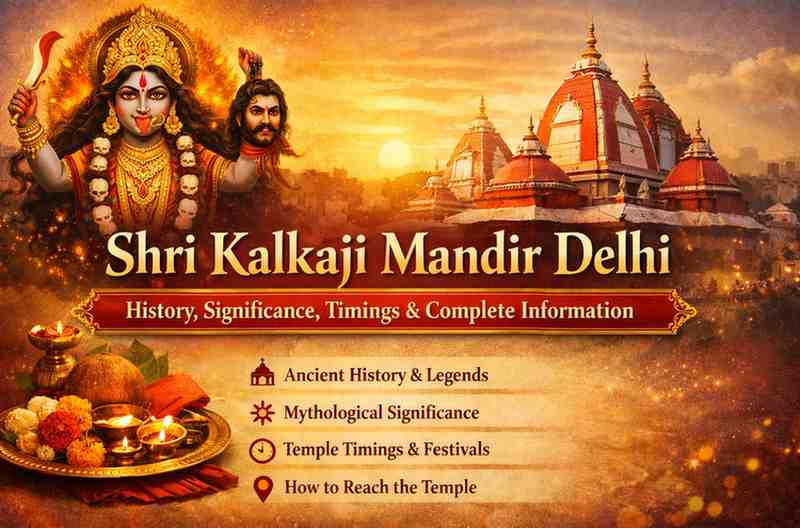
Delhi is home to many ancient temples that carry deep spiritual energy and historical importance. Among them, Shri Kalkaji Mandir stands out as one of the most powerful and revered temples dedicated to Goddess Kali. Located in South Delhi near Nehru Place, this sacred temple attracts thousands of devotees every day who come seeking blessings, protection, and fulfillment of wishes.
Known as Jayanti Peeth and Manokamna Siddha Peeth, Kalkaji Mandir is believed to be a divine place where prayers are answered and devotees’ wishes come true. The temple holds immense importance in Hindu mythology and is considered one of the most sacred Shakti worship centers in North India.
In this detailed guide, we will explore the history of Kalkaji Mandir, mythological significance, temple architecture, rituals, timings, festivals, and travel information for devotees planning a visit.
Also Read :- Black Magic Removal Puja – Powerful Protection Remedies, Havan
History of Shri Kalkaji Mandir
The history of Kalkaji Mandir dates back thousands of years and is closely connected with ancient Hindu scriptures and legends related to Goddess Kali.
According to historical and mythological references, the temple was built to honor Goddess Kalika, a powerful manifestation of Goddess Durga. The present structure of the temple was constructed in 1764 by the Maratha rulers, though the site itself has been worshipped since ancient times.
Over the centuries, several kings and devotees contributed to the temple’s development. The temple has undergone renovations and expansions, but the main sanctum and the sacred idol of Goddess Kali remain ancient.
For centuries, devotees from across India have visited Kalkaji Mandir seeking divine blessings, protection from negativity, and fulfillment of desires.
Also Read :- Pitru Dosh Puja Cost, Symptoms & Tripindi Shraddh Procedure (2026 Complete Guide)
Mythological Story Behind Kalkaji Mandir
The spiritual significance of Kalkaji Mandir is deeply rooted in Hindu mythology.
According to legends mentioned in the Puranas, a powerful demon named Raktabija terrorized the universe. He had a special power – every drop of his blood that fell on the ground would create another demon.
The gods became helpless and prayed to Goddess Durga for protection.
To destroy this demon, Goddess Durga manifested as Goddess Kali, the fierce and powerful form of divine energy. She fought the demon and drank every drop of his blood before it could touch the ground, preventing new demons from being created.
After defeating the demon, Goddess Kali rested at the site where Kalkaji Mandir now stands.
This is why devotees believe the temple holds immense divine energy and protective power.
Also Read :- Kaal Sarp Dosh Puja – Benefits, Cost & Ujjain Vidhi (2026 Complete Guide)
Why Kalkaji Mandir is Called Jayanti Peeth
Kalkaji Mandir is also known as Jayanti Peeth, which is one of the sacred Shakti worship centers in India.
The word “Jayanti” means victory and divine triumph.
It symbolizes the victory of Goddess Kali over evil forces. Devotees believe that praying here helps remove negativity, obstacles, and evil influences from life.
Because of its divine reputation, the temple is also known as Manokamna Siddha Peeth, meaning:
A sacred place where wishes are fulfilled.
Many devotees visit the temple to pray for:
- Success in career
- Marriage blessings
- Health and protection
- Financial prosperity
- Removal of obstacles
Spiritual Significance of Kalkaji Mandir
Kalkaji Mandir is considered one of the most powerful temples dedicated to Goddess Kali in North India.
The temple represents the divine feminine energy known as Shakti, which symbolizes power, protection, and transformation.
Devotees believe that worshipping here helps in:
Removing Negative Energy
Goddess Kali is known for destroying negative forces and protecting her devotees.
Fulfilling Wishes
The temple is famous for granting the heartfelt wishes of devotees who pray with true devotion.
Overcoming Life Obstacles
Many devotees pray here during difficult phases of life for strength and guidance.
Spiritual Protection
Goddess Kali is regarded as the protector who removes evil influences and harmful energies.
Architecture of Kalkaji Mandir
The architecture of Kalkaji Mandir is simple yet spiritually powerful.
The temple structure has been rebuilt several times but still retains its traditional North Indian temple style.
Key architectural features include:
Central Sanctum (Garbhagriha)
The main sanctum houses the sacred idol of Goddess Kali, which is worshipped by thousands of devotees every day.
Marble Courtyard
The temple courtyard is made of marble where devotees gather for prayers and rituals.
Circular Temple Structure
The temple is unique because of its 12-sided structure, symbolizing cosmic energy and spiritual balance.
Multiple Entrances
There are several entrances to allow devotees to enter the temple smoothly, especially during festivals when crowds are large.
Despite its simple structure, the temple radiates strong spiritual vibrations and divine energy.
Kalkaji Mandir Timings
Devotees planning to visit the temple should be aware of the temple timings.
Daily Temple Timings
Morning Opening: 4:00 AM
Morning Aarti: Around 5:30 AM
Afternoon Closing: Around 12:00 PM
Evening Opening: 4:00 PM
Evening Aarti: Around 7:00 PM
Temple Closing: 11:30 PM
Timings may change slightly during festivals and special occasions.
It is recommended to visit early morning or late evening for a peaceful darshan.
Best Time to Visit Kalkaji Mandir
Although the temple is open throughout the year, some times are especially significant.
Navratri Festival
The most important time to visit Kalkaji Mandir is during Navratri.
Thousands of devotees visit the temple during this nine-day festival dedicated to Goddess Durga.
Special prayers, bhajans, and rituals take place during this time.
Tuesdays and Fridays
These days are considered especially auspicious for Goddess Kali worship.
Early Morning Hours
Visiting during early morning hours allows devotees to experience the temple in a peaceful spiritual atmosphere.
Major Festivals Celebrated at Kalkaji Mandir
Several Hindu festivals are celebrated with great devotion at Kalkaji Mandir.
Navratri
Navratri is the biggest festival celebrated here.
The temple becomes beautifully decorated, and devotees gather in huge numbers to seek blessings.
Kali Puja
Kali Puja is dedicated specifically to Goddess Kali and is celebrated with special rituals and offerings.
Durga Puja
During Durga Puja, special prayers and celebrations take place honoring the divine feminine energy.
Diwali
On the festival of lights, devotees visit the temple to pray for prosperity and protection.
Rituals and Worship Practices
Several traditional rituals are performed daily at Kalkaji Mandir.
Aarti
Morning and evening aartis are performed to honor Goddess Kali.
Prasad Offering
Devotees offer sweets, fruits, and coconuts to the goddess.
Coconut Offering
Breaking coconuts is a common ritual symbolizing the removal of ego and negativity.
Red Cloth Offering
Devotees often offer red cloth, flowers, and sindoor to Goddess Kali as symbols of devotion.
How to Reach Kalkaji Mandir
Kalkaji Mandir is easily accessible from all parts of Delhi.
By Metro
The nearest metro station is Kalkaji Mandir Metro Station, which is on the Magenta Line and Violet Line.
From the station, the temple is just a short walking distance away.
By Road
The temple is well connected by buses, taxis, and auto-rickshaws.
Nearby areas include:
- Nehru Place
- Govindpuri
- Greater Kailash
By Train
The nearest railway station is Hazrat Nizamuddin Railway Station, located about 8 km from the temple.
Nearby Attractions
Several important places can be visited near Kalkaji Mandir.
Lotus Temple
One of the most famous landmarks in Delhi, the Lotus Temple is located just a short distance away.
ISKCON Temple
Devotees can also visit the beautiful ISKCON temple nearby.
Nehru Place Market
One of Asia’s largest IT markets is located close to the temple.
Tips for Devotees Visiting Kalkaji Mandir
Here are some helpful tips for visitors:
- Visit early morning to avoid crowds
- Wear modest and respectful clothing
- Carry minimal belongings
- Follow temple guidelines and rituals
- Maintain silence and respect the sacred environment
Spiritual Experience at Kalkaji Mandir
Many devotees describe their visit to Kalkaji Mandir as a deeply spiritual and transformative experience.
The powerful presence of Goddess Kali creates an atmosphere of devotion, peace, and divine energy.
People often share stories of:
- Wishes being fulfilled
- Life obstacles being removed
- Protection from negative forces
- Inner peace and spiritual awakening
This is why thousands of devotees continue to visit the temple every year with faith and devotion.
Importance of Goddess Kali Worship
Goddess Kali represents the ultimate power of transformation and protection.
She symbolizes:
- Destruction of evil
- Protection of devotees
- Spiritual awakening
- Strength and courage
Worshipping Goddess Kali helps devotees overcome fear, negativity, and challenges in life.
Kalkaji Mandir in Modern Times
Even in modern times, Kalkaji Mandir remains one of the most visited temples in Delhi.
With improved transportation, metro connectivity, and growing awareness, the temple attracts not only local devotees but also tourists and spiritual seekers from across the world.
Despite modernization around the temple area, the spiritual energy and sacred traditions remain unchanged.
Frequently Asked Questions (FAQs) About Kalkaji Mandir Delhi
1. Where is Kalkaji Mandir located in Delhi?
Kalkaji Mandir is located in South Delhi near Nehru Place and Govindpuri. The temple is easily accessible via Kalkaji Mandir Metro Station on the Violet and Magenta lines of the Delhi Metro.
2. What is Kalkaji Mandir famous for?
Kalkaji Mandir is famous for being a sacred temple dedicated to Goddess Kali. It is also known as Manokamna Siddha Peeth, meaning devotees believe their wishes are fulfilled when they pray here with sincere devotion.
3. What are the timings of Kalkaji Mandir?
Kalkaji Mandir usually opens around 4:00 AM and remains open until about 11:30 PM. Morning and evening aarti are performed daily, attracting many devotees.
4. Which is the nearest metro station to Kalkaji Mandir?
The nearest metro station is Kalkaji Mandir Metro Station, which connects the Violet Line and Magenta Line. The temple is within walking distance from the station.
5. Why is Kalkaji Mandir called Jayanti Peeth?
Kalkaji Mandir is known as Jayanti Peeth because it symbolizes the victory of Goddess Kali over evil forces. The word Jayanti represents divine triumph and spiritual power.
6. What is the best time to visit Kalkaji Mandir?
The best time to visit Kalkaji Mandir is early in the morning or during evening aarti. The temple is especially crowded during Navratri when thousands of devotees come to seek blessings.
7. Which festivals are celebrated at Kalkaji Mandir?
Major festivals celebrated at Kalkaji Mandir include Navratri, Kali Puja, Durga Puja, and Diwali. Navratri is the most important festival when the temple sees massive gatherings of devotees.
8. What offerings are made at Kalkaji Mandir?
Devotees commonly offer flowers, coconut, sweets, red cloth, and sindoor to Goddess Kali. These offerings symbolize devotion, gratitude, and prayers for protection and prosperity.
9. Is Kalkaji Mandir considered a Shakti Peeth?
Kalkaji Mandir is regarded as an important Shakti worship site and is often referred to as Jayanti Peeth. It is believed to be a place where divine feminine energy is especially powerful.
10. How old is Kalkaji Mandir?
The present structure of Kalkaji Mandir was built in 1764 by the Marathas, but the site has been considered sacred for thousands of years and is mentioned in ancient Hindu traditions.
Conclusion
Shri Kalkaji Mandir in Delhi is more than just a temple – it is a powerful spiritual center dedicated to Goddess Kali.With its ancient history, mythological significance, and strong devotional atmosphere, the temple continues to inspire faith among millions of devotees.Whether you visit for spiritual growth, divine blessings, or simply to experience one of Delhi’s most sacred temples, Kalkaji Mandir offers a deeply meaningful and transformative experience.Devotees believe that anyone who prays here with sincere devotion will receive the blessings of Goddess Kali and the fulfillment of their heartfelt wishes.
References
- Delhi Tourism Official Website
- Archaeological Survey of India (ASI)
- Incredible India – Ministry of Tourism
- TemplePurohit – Kalkaji Temple Information
- Gurucool.life Spiritual Knowledge Blog
- Shloka.life Spiritual & Astrology Blog
3 Comments