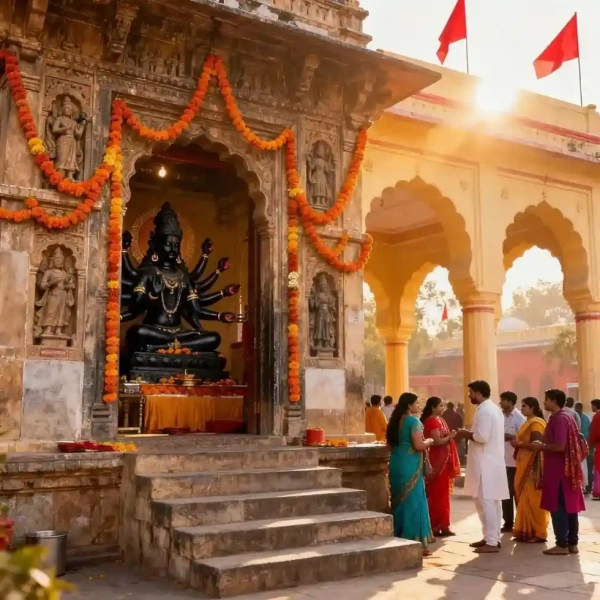
Somnath Jyotirlinga, one of the most sacred and renowned Shiva temples in India, is famed for its deeply inspiring history, resplendent architecture, and powerful spiritual aura.
Introduction
Somnath Jyotirlinga stands majestically on the western coast of Gujarat, overlooking the Arabian Sea. It marks the first of the twelve Jyotirlingas revered in Hinduism, attracting lakhs of devotees and tourists every year for darshan, rituals, and spiritual experiences.
Ancient Legends and Origins
- According to Purāṇic traditions, the original Somnath temple was built by Chandra Dev, the Moon God, in gold, later rebuilt by Ravana in silver, Lord Krishna in wood, and finally in stone by Bhimdev.
- Texts like the Skanda Purana and Shiv Purana trace the temple’s roots to an era millions of years ago, signifying its significance in Sanatan Dharma. Local traditions suggest its jyotirlinga was originally “airborne” and levitated above the ground, a mystery that continues to fascinate devotees.
- The name “Somnath” translates to “Lord of the Moon,” and legends narrate Chandra’s worship at this site for liberation from a curse, signifying the temple’s sanctity as a site of penance and healing.
A Tumultuous History: Repeated Destruction and Rebirth
- Historical records indicate the Somnath temple has faced destruction and rebuilding numerous times. As early as 725 CE, the first known attack was orchestrated by Al-Junayd, the Arab governor of Sindh.
- The most infamous destruction was by Mahmud of Ghazni in 1025 CE, who looted the temple, massacred its defenders, and left with immense riches, making Somnath a symbol of endurance against repeated invasions.
- The temple continued to face destruction by subsequent rulers, including the Delhi Sultanate and the Portuguese. However, it was always rebuilt by Hindus with renewed devotion, often under the patronage of regional kings.
- In modern history, Sardar Vallabhbhai Patel initiated the temple’s reconstruction after Indian independence, aiming to restore it as a symbol of faith and national pride. The present structure was inaugurated for worship by President Rajendra Prasad on May 11, 1951.
Architectural Grandeur & The Present Structure
- The current Somnath temple is a striking example of Māru-Gurjara (Chaulukya) style architecture, constructed using yellow sandstone and adorned with intricate carvings.
- Facing the vast Arabian Sea, the temple’s main shikhara rises to almost 50 meters, creating an imposing skyline visible from afar. The sanctum sanctorum houses the jyotirlinga, considered a primordial symbol of Shiva.
- A unique feature is the Baan Stambh (arrow pillar) which stands on the temple’s sea-facing side, believed to indicate the direct line from Somnath to the South Pole, symbolizing the temple’s ‘eternity’.
Daily Rituals, Aarti Timings & Darshan (2025)
The temple follows a well-structured daily schedule underscoring the centrality of aarti, abhishek, and special rituals:
- Temple Opening Hours: 6:00 AM to 10:00 PM.
- Darshan Timing: Continuous, from 6:00 AM to 10:00 PM, except short intervals during aarti.
- Aarti Timings (2025):
- Mangala Aarti (Morning): 7:00 AM
- Rajbhog Aarti (Noon): 12:00 PM
- Sandhya Aarti (Evening): 7:00 PM.
- Light & Sound Show: Daily at 8:00 PM, presenting the temple’s dramatic historical episodes with narration in Hindi and other languages.
Special Festival Observances
- Maha Shivratri (March 1, 2025) and Kartik Purnima (November 12, 2025) are especially grand, with extended festivities, cultural programs, and special darshans. These periods see huge crowds, so plan your visit accordingly.
Pilgrimage Highlights: What to See and Experience
Besides the main jyotirlinga shrine, the sacred town of Prabhas Patan has several must-see sites:
- Bhalka Tirth: The spot where Lord Krishna is believed to have left his mortal body; a significant Teerth for Vaishnavas.
- Triveni Sangam: The confluence of the rivers Hiran, Kapila, and (mythical) Saraswati—considered highly auspicious for ritual baths.
- Somnath Beach: A scenic spot adjacent to the temple, perfect for tranquil reflection and photography.
- Gita Mandir, Baldev Gufa, and Ban Ganga: Other ancient sites, each with unique stories tied to Krishna legend and the Mahabharata era.
- Museum and Exhibition Hall: Showcases temple relics, ancient sculptures, and the story of Somnath through audio-visual exhibits.
Travel Guide 2025: Reaching Somnath Temple
By Air
- Nearest Airport: Diu Airport (approx. 63 km away), connected to major cities in Gujarat and select metro cities pan-India.
- Rajkot Airport (approx. 200 km) and Porbandar Airport (approx. 120 km) are alternatives for better connectivity.
By Train
The distance from Veraval Railway Station to Somnath temple is around 7 km. It connects to major cities of Gujarat and offers several express trains to Mumbai, Ahmedabad, and other locations across India. This makes Veraval Railway Station a principal transportation hub for reaching Somnath.
By Road
- Well-connected by bus and taxi from Junagadh (82 km), Porbandar (120 km), Dwarka (230 km), Bhavnagar (270 km), and Rajkot (200 km). Private taxis and government buses are readily available.
- Regular bus services operate from Veraval and other nearby towns, with frequency increasing during major festivals.
Where to Stay
- Options range from budget lodges and guesthouses to luxury hotels. The Somnath Trust runs economical “Atithi Bhavan” guesthouses right near the temple complex, often the first choice for pilgrims.
- Hotels like Sarovar Portico, Lords Inn, and a variety of dharamshalas provide comfortable accommodation at various price points. Advance booking is advisable during the peak pilgrimage months and on festival days.
Local Facilities & Darshan Arrangements
- Cloakrooms, shoe counters, drinking water points, and prasad counters are available within the temple campus.
- Mobile, camera, and electronic items are strictly prohibited inside the temple for security.
- A paid quick-darshan and pramukh aarti pass system is operational during high-crowd periods for a smoother experience.
Dos and Don’ts for 2025 Visitors
Visitors should dress modestly by wearing traditional Indian attire, particularly when entering the sanctum of Somnath temple. The temple authorities prohibit photography inside the premises. To avoid crowds and enjoy cooler weather, plan visits in the early morning or after sunset. Security personnel will conduct thorough checks at all entry points. Men should wear kurta-pajamas, dhotis, or formal pants and shirts, while women should wear sarees, salwar kameez, or modest clothing that covers shoulders and knees. Visitors must avoid shorts, mini skirts, and any disrespectful attire to honor the temple’s sanctity and follow official dress codes.
Best Time to Visit
From October to March, pleasant weather, clear skies, and a calm sea breeze create a serene atmosphere, making this the ideal season to visit Somnath. The cooler temperatures and comfortable climate allow pilgrims and tourists to explore the temple and its surroundings without discomfort. This favorable weather sets a peaceful mood that enhances the overall spiritual and travel experience.
- Avoid peak summer for comfort, and be ready for extra crowds during festivals like Maha Shivratri, Shravan (July–August), and Kartik Purnima.
Exploring Beyond the Temple
- Somnath is a perfect launchpad for the legendary Dwarka-Somnath-Diu-Gir pilgrimage circuit.
- Nearby attractions: Sasan Gir National Park (home to Asiatic lions), Prabhas Patan Museum, and the devotional city of Dwarka are within comfortable reach for extended spiritual and nature tours.
Frequently Asked Questions (2025 Edition)
| Question | Quick Answer |
|---|---|
| Temple opening and closing timings? | 6:00 AM to 10:00 PM (Aarti: 7 AM, 12 PM, 7 PM) |
| Light & Sound Show? | 8:00 PM – 9:00 PM daily, Hindi narration |
| Dress code? | Traditional modest attire, no shorts/hats |
| Best season to visit? | October to March |
| Online darshan or aarti booking? | Available via the official Somnath Temple website |
| Cloakroom and amenities? | Yes, within temple campus |
| How far is Veraval station? | About 5 km by auto or taxi |
| Accommodation options? | Atithi Bhavan, Sarovar Portico, dharamshalas, budget hotels |
Tips for Content Creators & SEO (Somnath temple 2025)
- Optimizing blogs around “Somnath temple 2025” should focus on festival dates, new infrastructure updates, and user experience enhancements post-pandemic restrictions.
- Newly trending topics include 2025’s travel advisories, accessibility features for elderly devotees, and must-see elements in the light and sound show narrations.
- Use FAQs, bullet macros, and step-by-step travel checklists for ranking in featured snippets.
- Provide detailed and actionable content, backed by recent updates and official references, for best SEO results.
Conclusion: The Everlasting Symbol of Faith
The Somnath Jyotirlinga—that has survived repeated destruction—remains a living inspiration for millions. A confluence of legend, history, and devotion, Somnath stands today not just as an architectural marvel, but as testimony to resilience and cultural unity. Whether you seek spiritual solace, historical intrigue, or simply a memorable travel experience, “Somnath temple 2025” delivers a journey of a lifetime—anchoring faith at the indomitable western gateway of India.