
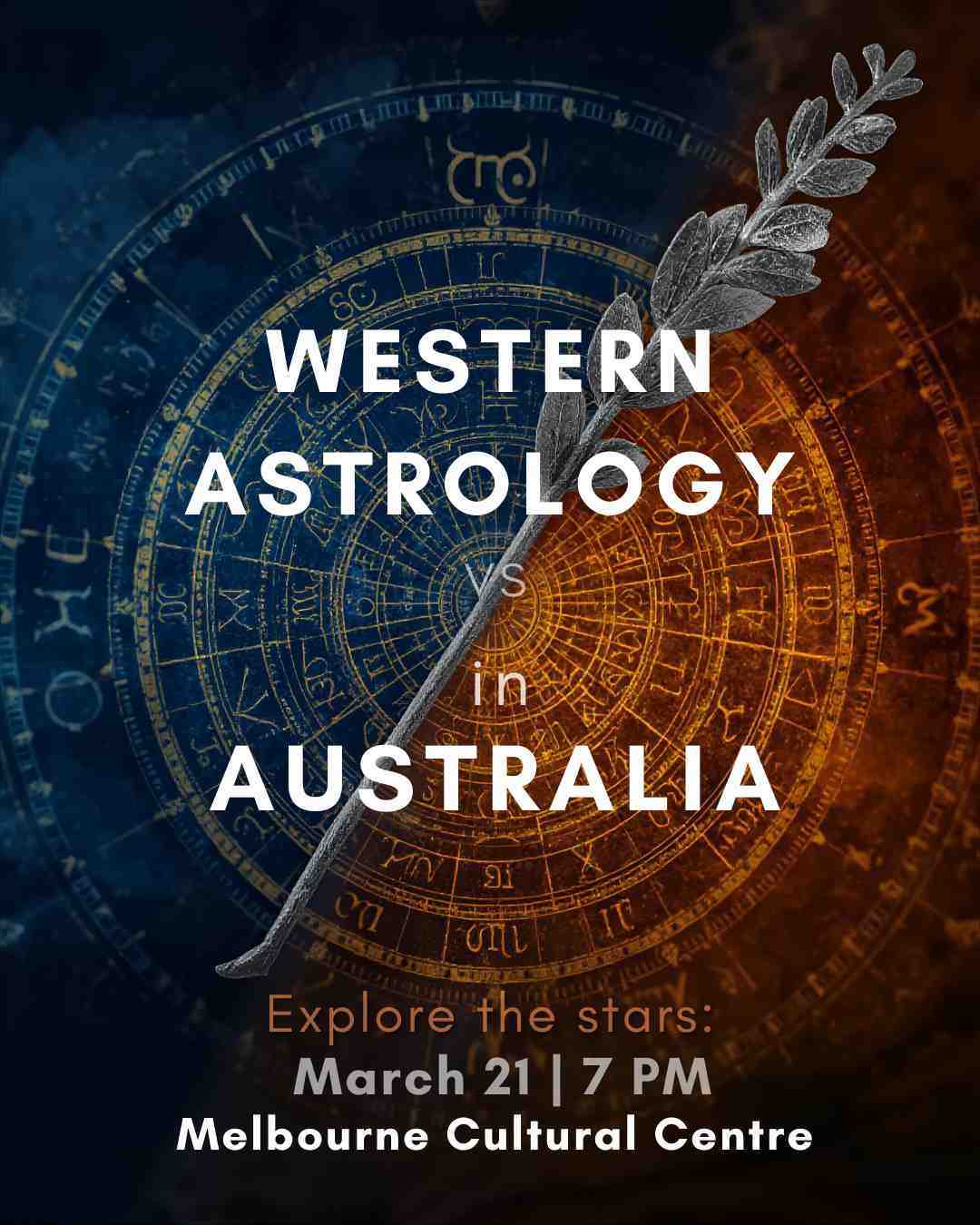
Introduction – Growing Interest in Astrology in Australia
Astrology has gained remarkable popularity in Australia over the past decade. People from diverse cultural backgrounds increasingly turn to astrology for guidance, self-awareness, and emotional clarity. Among these systems, Western Astrology and Indian Astrology (Vedic Astrology) stand out as the most widely practiced. As Australia hosts a growing Indian diaspora along with a strong Western cultural influence, comparisons between these two systems naturally arise.
To begin with, astrology in Australia no longer remains limited to entertainment or newspaper horoscopes. Many Australians actively consult astrologers for career planning, relationships, mental well-being, and life transitions. At the same time, Indians living in Australia strongly preserve astrological traditions passed down through generations. As a result, both Western and Indian astrology coexist and thrive in the same space.
Moreover, globalization and digital access have increased awareness. Online astrology platforms allow Australians to consult Western astrologers locally and Indian astrologers internationally. This accessibility encourages curiosity and comparison between systems. People often ask which astrology system offers better accuracy, deeper insights, or more practical guidance.
In addition, lifestyle changes and uncertainty fuel interest in astrology. Career pressure, immigration challenges, relationship changes, and emotional stress push individuals toward spiritual tools. Astrology provides structure and meaning during uncertain phases. However, different astrology systems approach these challenges in different ways.
Western Astrology focuses primarily on psychological patterns, personality traits, and self-development. It emphasizes the Sun sign and uses a tropical zodiac. In contrast, Indian Astrology focuses on karma, destiny, planetary periods, and life events. It uses the sidereal zodiac and complex predictive techniques. These differences often confuse people seeking guidance in Australia.
Furthermore, cultural background influences preference. Australians raised in Western environments often resonate with Western astrology’s introspective approach. Meanwhile, Indians in Australia prefer Vedic astrology due to cultural familiarity and predictive depth. However, many individuals explore both systems to gain a holistic perspective.
Also Read- Why Relationships Fail Repeatedly (Astrology Explanation)
Origins and Philosophical Foundations of Western and Indian Astrology
To understand the difference between Western Astrology and Indian Astrology, one must begin with their origins and philosophical roots. Both systems developed thousands of years ago, yet they evolved in distinct cultural and spiritual environments. These foundations strongly influence how astrologers interpret charts today.
Western Astrology traces its roots to ancient Mesopotamia, Greece, and Rome. Over time, philosophers like Ptolemy refined the system, linking astrology with astronomy and psychology. Western astrology emphasizes human behavior, personality development, and emotional awareness. It views astrology as a tool for self-understanding rather than fate prediction.
In contrast, Indian Astrology, also known as Vedic Astrology or Jyotish, originated in ancient India and forms part of the Vedas. The word “Jyotish” means “science of light.” Indian astrology integrates spirituality, karma, and cosmic law. It aims to guide individuals through life’s karmic journey by understanding planetary influences.
Moreover, Western astrology focuses on the Sun’s position at birth, making Sun signs the central identity marker. This approach appeals to many Australians because it simplifies astrology and connects easily with personality traits. Horoscopes based on Sun signs remain popular in media and apps.
On the other hand, Indian astrology prioritizes the Moon sign (Rashi) and the Ascendant (Lagna). It believes that the Moon governs the mind and emotions, making it crucial for accurate predictions. This emphasis allows deeper analysis of mental states, reactions, and life events.
Philosophically, Western astrology promotes free will. It suggests that planetary influences indicate tendencies rather than fixed outcomes. Individuals can consciously shape their future through awareness. This perspective aligns well with modern Western thinking prevalent in Australia.
Conversely, Indian astrology balances destiny and effort. It explains life events through karma accumulated from past actions. However, it also emphasizes remedies, discipline, and conscious effort to reduce negative effects. This balance appeals strongly to Indians living in Australia who value spiritual responsibility.
Additionally, Indian astrology integrates rituals, mantras, and spiritual practices. Western astrology rarely includes remedies, focusing instead on counseling and reflection.
Also Read :- What “Free Astrology Reading Online” Usually Includes
Zodiac Systems Explained – Tropical vs Sidereal Astrology
One of the most important differences between Western Astrology and Indian Astrology lies in their zodiac systems. This distinction often causes confusion among people in Australia who explore both systems and notice different zodiac signs for the same birth date. Understanding this difference clarifies why predictions vary between the two approaches.
To begin with, Western Astrology uses the Tropical Zodiac. This system bases zodiac signs on the position of the Sun relative to the Earth’s seasons. The Tropical Zodiac starts at the Spring Equinox, marking Aries at 0 degrees. As a result, zodiac signs remain fixed to seasons rather than star positions.
Western astrologers believe that seasonal cycles influence human psychology and behavior. For example, Aries represents new beginnings because it aligns with spring energy in the Northern Hemisphere. Although Australia lies in the Southern Hemisphere, Western astrology still follows the same zodiac structure globally. This consistency allows astrologers to focus on universal psychological patterns.
In contrast, Indian Astrology uses the Sidereal Zodiac, which aligns zodiac signs with actual star constellations. Over time, Earth’s axis shifts due to precession, creating a difference between tropical and sidereal positions. Indian astrology accounts for this shift using Ayanamsa, a correction factor. As a result, most people’s zodiac signs change when calculated through Indian astrology.
For instance, someone considered a Leo in Western astrology may become a Cancer in Indian astrology. This difference often surprises Indians living in Australia who compare both systems. However, Indian astrologers emphasize that sidereal calculations reflect cosmic reality more accurately.
Moreover, Indian astrology considers the Moon’s position more important than the Sun’s. Since the Moon moves faster, it captures emotional and mental patterns in greater detail. This focus supports predictive accuracy, especially for daily life events.
Western astrology, on the other hand, prioritizes the Sun sign as the core identity. This approach simplifies astrology, making it popular among Australians who seek quick personality insights.
Also Read :- Free Astrology Reading in the UK: Is It Reliable? – The 2026 Truth Revealed
Birth Chart Structure – How Western and Indian Charts Differ
Birth charts form the foundation of astrological analysis. Although both Western and Indian astrology use birth charts, their structure, interpretation, and complexity differ significantly. Understanding these differences helps Australians choose the system that suits their needs.
Western astrology uses a circular chart divided into twelve houses. Each house represents life areas such as career, relationships, and health. Western astrologers interpret planets, signs, and aspects together to understand personality dynamics. The chart emphasizes psychological patterns rather than life events.
Moreover, Western astrology places strong emphasis on planetary aspects such as conjunctions, squares, and trines. These angles describe internal conflicts and strengths. As a result, consultations often resemble counseling sessions that promote self-awareness.
Indian astrology also uses twelve houses, yet chart interpretation differs greatly. The chart focuses on house lords, planetary strength, and dignity. Indian astrologers analyze multiple charts, including Navamsa, Dashamsa, and other divisional charts. These charts provide detailed insights into marriage, career, and spirituality.
Another major difference involves predictive techniques. Indian astrology uses Dasha systems, particularly Vimshottari Dasha, to predict life events with timelines. Western astrology rarely uses structured timing systems, focusing instead on transits and progressions.
Additionally, Indian charts prioritize the Ascendant (Lagna). The Ascendant determines chart structure and planetary influence. Western astrology also values the Ascendant but gives equal importance to the Sun.
For Indians in Australia, Indian astrology feels more practical due to its event-oriented predictions. Meanwhile, Western astrology appeals to Australians seeking self-discovery and emotional clarity.
Also Read :- Free Love Astrology Reading: Compatibility Without Signup
Predictive Accuracy – Which Astrology System Works Better in Australia?
One of the most common questions people ask in Australia is whether Western Astrology or Indian Astrology offers better predictive accuracy. While both systems aim to provide guidance, they approach prediction in fundamentally different ways. Understanding these differences helps individuals set realistic expectations.
To begin with, Western Astrology focuses more on tendencies than fixed predictions. Western astrologers analyze personality traits, emotional patterns, and potential challenges. Instead of stating exact outcomes, they explain how individuals might respond to situations. This approach suits people who value personal growth and psychological awareness.
In Australia, Western astrology resonates strongly with individuals seeking clarity about relationships, emotional blocks, and life purpose. Counseling-style consultations help clients reflect on behavior and decision-making patterns. However, this system rarely predicts specific events such as marriage timing or job changes.
In contrast, Indian Astrology specializes in event-based prediction. Through Dasha systems and planetary transits, Indian astrologers predict periods of career growth, marriage, health challenges, or financial shifts. These predictions often include timelines, which many Indians in Australia find practical and reassuring.
Moreover, Indian astrology emphasizes karma and destiny. It explains why events occur and how long certain phases last. This clarity helps individuals remain patient during difficult periods. For migrants facing visa delays or job uncertainty, this predictive depth offers emotional stability.
However, predictive accuracy also depends on astrologer expertise. An experienced astrologer in either system can offer meaningful guidance. Astrology should support decision-making rather than replace personal responsibility.
ALSO READ :- Why People Use Free Career Astrology Readings
Role of Planets – Interpretation Differences Between the Two Systems
Planets form the backbone of both Western and Indian astrology, yet their interpretation differs significantly. These differences influence how astrologers explain life events and personality traits.
Western astrology interprets planets as psychological archetypes. For example, Mars represents drive and aggression, while Venus symbolizes love and harmony. Western astrologers focus on how planetary placements affect emotions, behavior, and relationships.
Moreover, Western astrology uses outer planets like Uranus, Neptune, and Pluto extensively. These planets represent generational themes and deep psychological transformation. Many Australian astrologers emphasize these influences during consultations.
Indian astrology also recognizes outer planets, yet traditional practice focuses mainly on visible planets: Sun, Moon, Mars, Mercury, Jupiter, Venus, Saturn, Rahu, and Ketu. Rahu and Ketu represent karmic nodes, playing a crucial role in destiny.
Additionally, Indian astrology assigns planetary strength through dignity, placement, and conjunctions. These factors determine positive or challenging outcomes. Planets act as agents of karma rather than personality symbols.
For Indians in Australia, planetary explanations feel more concrete in Indian astrology. Western astrology appeals more to emotional understanding and self-reflection.
Also Read :- Western Astrology vs Vedic Astrology: What Americans Should Know – The 2026 Guide
Marriage and Relationship Analysis – Western vs Indian Astrology
Marriage and relationships remain one of the most common reasons people in Australia consult astrologers. However, Western Astrology and Indian Astrology approach relationship analysis very differently. Understanding these differences helps individuals choose the system that aligns with their relationship expectations and cultural values.
To begin with, Western Astrology focuses heavily on emotional compatibility and psychological bonding. Western astrologers analyze Venus, Mars, Moon, and the 7th house to understand attraction, communication style, and emotional needs. Synastry charts compare two birth charts to reveal how partners influence each other emotionally and mentally.
Moreover, Western astrology emphasizes self-awareness in relationships. Instead of predicting marriage timing, it highlights patterns such as attachment style, conflict tendencies, and emotional triggers. This approach appeals strongly to Australians who value emotional intelligence and open communication.
In contrast, Indian Astrology treats marriage as a karmic bond. Indian astrologers perform Kundli Milan, which compares multiple factors such as Guna matching, planetary placement, and Doshas. This process evaluates long-term stability rather than emotional chemistry alone.
Additionally, Indian astrology predicts marriage timing using Dasha periods and planetary transits. Indians living in Australia often consult astrologers to know when marriage is likely to occur and whether obstacles exist. This predictive clarity helps families plan confidently.
Indian astrology also evaluates post-marriage harmony, family dynamics, and longevity of the relationship. Remedies often aim to reduce conflicts and strengthen mutual understanding.
Also Read :- Is Astrology Real or Psychological? A Clear Explanation
Career Guidance – How Western and Indian Astrology Differ
Career planning represents another major reason Australians consult astrologers. While both systems offer career guidance, their methods and objectives differ significantly.
Western Astrology approaches career through self-discovery and personal fulfillment. Astrologers analyze the 10th house, Midheaven, and planetary aspects to identify strengths, ambitions, and work preferences. This approach helps individuals align careers with passion and personality.
Moreover, Western astrology supports career transitions by highlighting periods of growth and self-expression. Australians seeking job satisfaction and purpose find this approach meaningful.
Indian Astrology, on the other hand, focuses on career stability, growth timing, and financial outcomes. Indian astrologers analyze the 10th house lord, planetary periods, and divisional charts like Dashamsa. These techniques predict promotions, job changes, and professional success.
For Indians in Australia facing visa-linked careers, Indian astrology offers practical timing guidance. This approach helps individuals avoid risky transitions during unfavourable periods.
Also Read :- Why Canada PR Is Delayed? Astrological Reasons and Remedies
Health and Well-Being Interpretation – Western vs Indian Astrology
Health and well-being represent a growing concern in Australia, especially as people balance work pressure, emotional stress, and lifestyle changes. Both Western and Indian astrology offer health-related insights, yet their interpretation methods and purposes differ significantly. Understanding these differences helps individuals choose the system that supports their well-being goals.
To begin with, Western Astrology views health through psychological and emotional balance. Western astrologers analyze the 6th house, Moon, and planetary aspects to identify stress patterns, emotional triggers, and behavioral habits that affect health. This system connects mental states with physical symptoms, promoting self-awareness and preventive care.
Moreover, Western astrology encourages individuals to take responsibility for their health. Instead of predicting illness, astrologers highlight vulnerability periods when stress or burnout may occur. This guidance aligns well with Australia’s wellness-focused culture, where mental health awareness plays a vital role.
In addition, Western astrology often integrates with counseling and therapy. Many Australians use astrology as a reflective tool to understand emotional patterns that influence sleep, eating habits, and lifestyle choices. This approach supports long-term wellness through conscious change.
In contrast, Indian Astrology approaches health as a karmic and planetary influence. Indian astrologers analyze the 6th, 8th, and 12th houses along with planetary strength to identify health tendencies. This system focuses on understanding why certain health challenges occur and how long they may last.
Furthermore, Indian astrology predicts health-related phases using Dasha periods and transits. Indians living in Australia often consult astrologers during prolonged health issues or recovery phases. These predictions help individuals stay mentally prepared and disciplined during challenging times.
Another major difference involves preventive guidance. Indian astrology emphasizes lifestyle discipline, diet balance, and spiritual alignment. Remedies often aim to reduce planetary imbalance rather than only addressing symptoms.
Also Read :- Jagannath Temple History: A Timeless Chronicle of Faith
Remedies and Solutions – Psychological Guidance vs Spiritual Practices
One of the most noticeable differences between Western and Indian astrology lies in their approach to remedies and solutions. While both aim to support individuals, their methods reflect distinct cultural philosophies.
Western Astrology primarily offers psychological and behavioral guidance. Astrologers suggest mindset shifts, communication strategies, and self-reflection techniques. Instead of rituals, they focus on awareness and conscious action. This approach appeals strongly to Australians who value logic and emotional clarity.
Moreover, Western astrologers often encourage journaling, therapy, mindfulness, and relationship counseling. Astrology acts as a mirror that highlights personal growth opportunities rather than external solutions.
In contrast, Indian Astrology includes structured spiritual remedies. These remedies aim to balance planetary influences and reduce karmic obstacles. Common remedies include mantra chanting, gemstone recommendations, fasting, charity, and spiritual discipline.
For Indians in Australia, these remedies provide cultural familiarity and emotional reassurance. Many individuals adapt traditional practices to suit modern lifestyles, maintaining balance without rigid rituals.
Importantly, ethical Indian astrologers recommend simple, affordable remedies rather than complex ceremonies. This practicality supports long-term consistency and belief.
Popularity of Western vs Indian Astrology in Australia
Astrology has steadily gained popularity across Australia, yet the preference between Western Astrology and Indian Astrology varies significantly based on culture, upbringing, and purpose. Understanding this popularity trend helps explain why both systems continue to thrive side by side.
To begin with, Western Astrology enjoys widespread mainstream acceptance in Australia. Newspapers, lifestyle magazines, mobile apps, and social media platforms frequently publish Sun-sign horoscopes. Australians often engage with Western astrology casually, using it as a tool for self-reflection, entertainment, and emotional insight. This accessibility makes Western astrology familiar and easy to adopt.
Moreover, Western astrology aligns closely with modern psychological frameworks. Many Australians view astrology as an extension of personality analysis rather than destiny prediction. As a result, it integrates smoothly into coaching, counseling, and wellness spaces. This integration strengthens its popularity among younger generations.
In contrast, Indian Astrology holds strong influence within the Indian diaspora in Australia. Indians often grow up with astrology as part of family traditions. Marriage matching, naming ceremonies, and auspicious timing remain culturally important. Therefore, Indian astrology continues to guide major life decisions even after migration.
Additionally, online access has boosted Indian astrology’s reach. Indians in Australia can consult experienced astrologers from India through digital platforms. This convenience ensures cultural continuity without geographical barriers.
Interestingly, many Australians of non-Indian origin now explore Indian astrology due to its predictive depth. Career timing, financial planning, and life-event forecasting attract individuals seeking practical guidance.
Cultural Influence on Astrology Preference in Australia
Culture plays a decisive role in shaping astrology preferences in Australia. The country’s multicultural environment allows different belief systems to coexist, influencing how people perceive astrology.
Firstly, Western culture emphasizes individuality and free will. Western astrology reflects these values by focusing on personal growth and emotional awareness. Australians raised in this environment often prefer astrology that empowers choice rather than predicts fate.
On the other hand, Indian culture values karma, destiny, and collective harmony. Indian astrology reflects these principles through life-event predictions and remedies. Indians in Australia often consult astrologers for family-related decisions, reflecting cultural continuity.
Moreover, migration strengthens cultural identity. Living away from home often deepens emotional attachment to traditions. Astrology becomes a familiar anchor during uncertainty, especially for first-generation migrants.
Additionally, cross-cultural exposure creates curiosity. Many Australians explore both systems to gain balanced perspectives. This openness enriches astrology practice across Australia.
Which Astrology System Is Better for Australians?
Many Australians ask whether Western Astrology or Indian Astrology works better for their lives. However, the answer depends less on accuracy and more on personal intention, belief, and lifestyle. Each system serves a different purpose, and understanding this distinction helps individuals make informed choices.
To begin with, Western Astrology suits Australians who seek self-awareness and emotional insight. It helps individuals understand personality traits, emotional patterns, and behavioral tendencies. People interested in personal development, relationship dynamics, and emotional growth often find Western astrology more relatable.
Moreover, Western astrology promotes free will and conscious choice. It empowers individuals to recognize strengths and challenges without imposing fixed outcomes. This mindset aligns strongly with Australia’s individualistic and self-driven culture.
In contrast, Indian Astrology works better for those seeking event-based guidance and timing. Indians in Australia, as well as non-Indians exploring deeper prediction systems, often prefer Vedic astrology for career timing, marriage prospects, and long-term planning.
Indian astrology provides structured answers with timelines. This clarity supports individuals facing visa issues, career transitions, or financial decisions. The system explains why events occur and how long phases last, offering emotional reassurance.
Importantly, neither system is superior universally. Western astrology excels in psychological understanding, while Indian astrology provides predictive depth. The best choice depends on what one expects from astrology.
Can Western and Indian Astrology Be Used Together?
A growing number of astrologers and clients in Australia combine Western and Indian astrology for a more holistic understanding. This integrated approach respects the strengths of both systems.
Firstly, Western astrology helps individuals understand emotional responses and inner motivations. Meanwhile, Indian astrology explains external events and karmic cycles. When used together, they provide both internal clarity and external timing.
For example, Western astrology may highlight relationship patterns, while Indian astrology predicts marriage timing. This combination offers both awareness and action.
Moreover, modern astrologers trained in both systems can offer balanced guidance. This trend grows in Australia due to multicultural openness and digital learning.
However, integration requires expertise. Mixing systems without proper understanding can cause confusion. Therefore, individuals should consult astrologers experienced in both traditions.
Frequently Asked Questions
What is the main difference between Western and Indian astrology?
The main difference lies in the zodiac system used. Western astrology follows the Tropical zodiac, while Indian astrology uses the Sidereal zodiac.
Which astrology is more accurate?
Accuracy depends on interpretation and belief. Western astrology focuses on personality and psychology, while Indian astrology emphasizes prediction and timing.
Why are zodiac signs different in Vedic astrology?
Vedic astrology accounts for the precession of the equinoxes, which shifts planetary positions compared to the Tropical system.
Is Vedic astrology popular in Australia?
Yes, especially within the Indian diaspora and spiritual communities across major Australian cities.
Can I use both systems together?
Some practitioners combine insights from both systems to gain a broader perspective on personality and life events.
Which astrology system is better for marriage matching?
Indian astrology traditionally offers a more detailed compatibility system for marriage through kundli matching.
Final Conclusion – Choosing the Right Astrology System in Australia
Western Astrology and Indian Astrology both offer valuable insights for Australians navigating modern life. Each system reflects unique cultural and philosophical perspectives.
Western astrology supports emotional awareness and self-growth. Indian astrology offers structure, timing, and karmic understanding. Australia’s diverse society allows individuals to explore both freely.
To choose the right system, individuals should first identify their purpose. Emotional insight favors Western astrology, while life planning favours Indian astrology. Openness and balance ensure the best results.
References
- Gurucool.life – Comparative Astrology Insights
- Shloka.life – Vedic Astrology & Sidereal System
- Classical Vedic Astrology Texts (Brihat Parashara Hora Shastra)
- Modern Western Astrology & Tropical Zodiac Research

3 Comments