
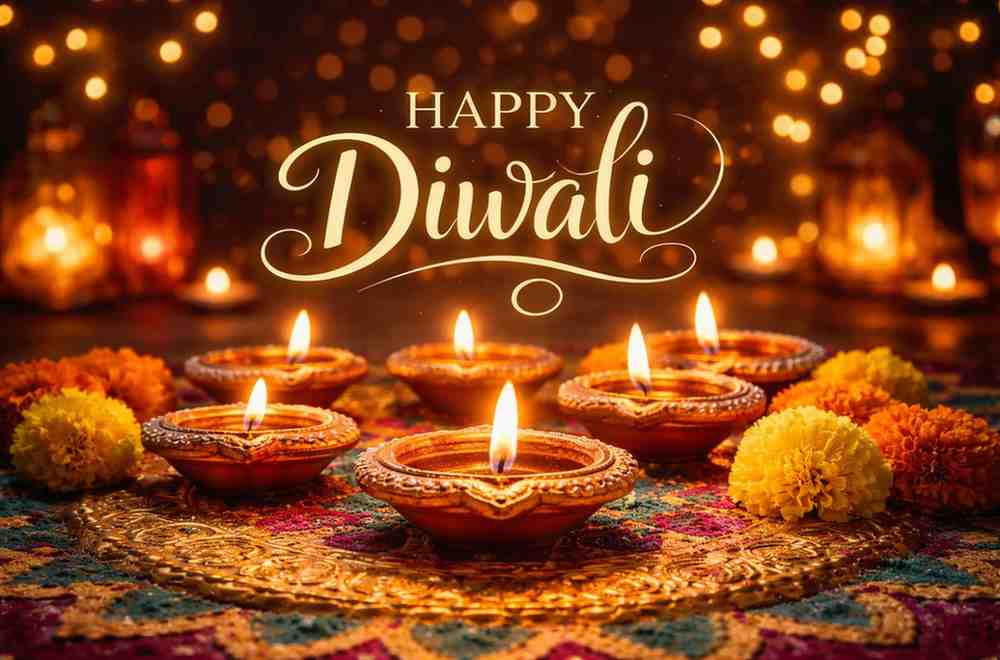
Introduction: What Is Diwali and Why Is It Celebrated?
What Is Diwali? This sacred celebration, also known as Deepavali, is among the most widely observed festivals in India and across the world. Popularly called the Festival of Lights, it symbolizes the victory of light over darkness, good over evil, and wisdom over ignorance.
Marked by glowing lamps, heartfelt prayers, shared sweets, and togetherness, it is far more than a celebration—it is an emotion deeply rooted in spiritual philosophy, family values, and cultural heritage. To truly understand its essence, one must explore its meaning, history, rituals, and timeless relevance.
Also Read :- Spiritual Awakening Symptoms: Signs, Stages & What to Expect
The Meaning of Diwali
The word Diwali comes from the Sanskrit term Deepavali, which means “a row of lamps.” These glowing lights represent knowledge that removes ignorance and hope that drives away despair.
At its core, the festival serves as a reminder that even the smallest light can conquer the deepest darkness, inspiring inner purification, gratitude, and personal renewal.
Also Read :- Stages of Spiritual Awakening: A Step-by-Step Inner Transformation
Historical and Mythological Origins
Lord Rama and the Ramayana
One of the most well-known explanations of What Is Diwali comes from the Ramayana. Diwali marks the return of Lord Rama, Goddess Sita, and Lord Lakshmana to Ayodhya after defeating Ravana. The citizens welcomed them by lighting rows of lamps, creating the tradition still followed today.
Also Read :- Signs of Spiritual Awakening: 21 Powerful Inner Changes Explained
Goddess Lakshmi and Prosperity
Another important belief linked to What Is Diwali is the worship of Goddess Lakshmi, the deity of wealth and abundance. Homes are cleaned and illuminated to welcome her blessings of prosperity and harmony.
Lord Krishna and Narakasura
In many parts of India, What Is Diwali is associated with Lord Krishna’s victory over the demon Narakasura, symbolizing the destruction of arrogance and injustice.
Spiritual Significance of Diwali
From a spiritual lens, What Is Diwali goes far beyond celebrations and rituals. It represents the awakening of inner consciousness. Lighting a diya symbolizes enlightenment, while cleaning homes reflects cleansing the mind and soul.
Diwali teaches us to:
- Let go of negativity
- Practice forgiveness
- Cultivate gratitude
- Walk the path of righteousness
This deeper understanding defines What Is Diwali as a festival of inner transformation.
Also Read :- How to End a Karmic Relationship: Signs, Healing & Letting Go
The Five Days of Diwali Explained
To fully grasp What Is Diwali, it is important to understand its five-day structure:
1. Dhanteras
Associated with health and wealth, people purchase gold, silver, and new items.
2. Naraka Chaturdashi (Choti Diwali)
Celebrates the victory of light over darkness and early morning purification rituals.
3. Lakshmi Puja (Main Diwali Day)
The most significant day, devoted to Goddess Lakshmi and Lord Ganesha.
4. Govardhan Puja
Commemorates Lord Krishna lifting Govardhan Hill to protect devotees.
5. Bhai Dooj
Celebrates the sacred bond between brothers and sisters.
Together, these days give a complete answer to What Is Diwali.
Traditional Diwali Rituals
Lighting Diyas
The act of lighting lamps is central to understanding What Is Diwali, symbolizing positivity and divine energy.
Rangoli Art
Colorful rangoli designs at entrances invite prosperity and joy.
Fireworks and Celebrations
Firecrackers signify happiness, though eco-friendly celebrations are now encouraged.
Sharing Sweets and Gifts
Exchanging sweets strengthens relationships and spreads love.
Also Read :- What Is Past Life Karma?
Regional Variations of Diwali in India
An important aspect of the festival is its rich regional diversity across India:
North India: Celebrates the return of Lord Rama
West India: Marks new financial beginnings
South India: Focuses on the defeat of Narakasura
East India: Honors Goddess Kali
Despite these variations, the underlying spirit and meaning remain universal across all regions.
Diwali Celebrations Around the World
Today, the festival has gained global recognition, with celebrations taking place across the USA, UK, Canada, Singapore, Australia, and many other countries. Iconic landmarks glow with lights, cultural programs are hosted, and communities unite—highlighting its universal appeal and shared spirit.
Diwali in Modern Times
In today’s fast-paced world, this timeless celebration teaches the importance of balance between material success and inner fulfillment. Digital greetings, eco-friendly lamps, and acts of charity are reshaping how the festival is celebrated in modern times.
Philosophical Meaning of Diwali
On a deeper level, the festival represents overcoming inner darkness such as fear, anger, greed, and ego. It reminds us that self-awareness and conscious living are the true paths to freedom.
Also Read :-All Ekadashi of the Year 2026 — Dates, Muhurat, Significance, Fasting Rules & Global Parana Timings
Why Diwali Still Matters Today
Understanding the deeper meaning of the festival helps us reconnect with values such as kindness, unity, and hope. Its message remains timeless—light will always find a way.
Frequently Asked Questions
What does the Festival of Lights symbolize?
It symbolizes the victory of light over darkness, good over evil, and knowledge over ignorance. The lighting of lamps represents inner awakening, hope, and positivity.
Why are diyas lit during the festival?
Diyas are lit to represent the removal of darkness and negativity. They also signify inviting peace, prosperity, and divine blessings into the home.
How many days does the celebration last?
The celebration traditionally lasts for five days, each marked by its own rituals and spiritual significance, beginning with Dhanteras and ending with Bhai Dooj.
Is the festival celebrated outside India?
Yes, it is celebrated in many countries including the USA, UK, Canada, Singapore, Australia, and other regions with Indian communities.
What is the spiritual importance of this festival?
Spiritually, it represents self-reflection, inner purification, and the journey toward awareness, gratitude, and renewal.
How is the festival celebrated in modern times?
Modern celebrations include eco-friendly lamps, digital greetings, community events, charitable activities, and a focus on sustainability.
Conclusion: The True Essence of Diwali
So, what does this festival truly represent? It is far more than lights, sweets, or fireworks—it is a celebration of faith, renewal, and inner awakening. It inspires us to illuminate not only our homes, but also our minds and hearts, carrying its message forward today and always.

7 Comments