
Introduction: Understanding the Spirit of Holi
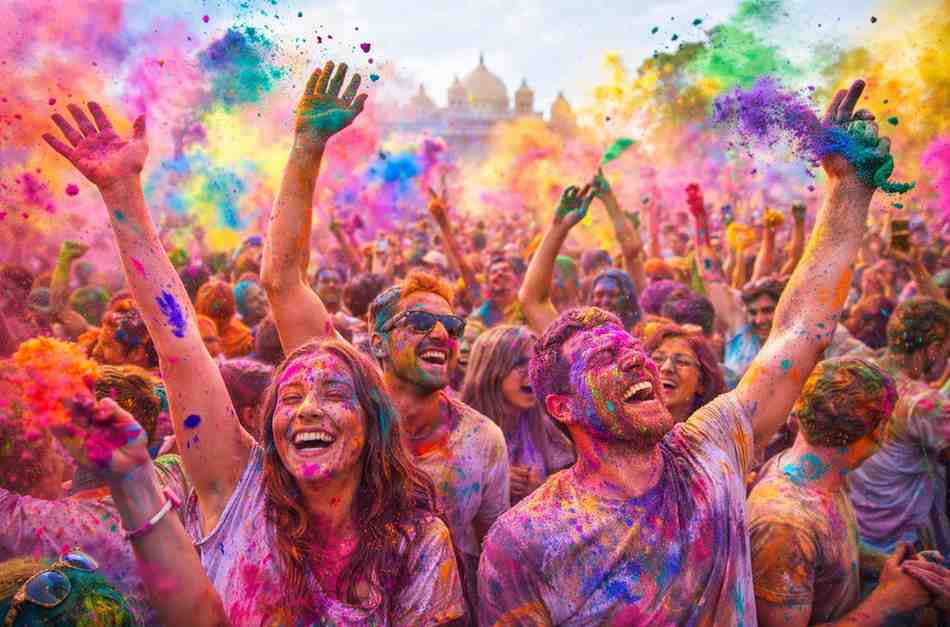
India is a land of festivals, but few are as vibrant, joyful, and emotionally powerful as Holi. Often called the Festival of Colors, Holi marks a time when social boundaries dissolve, hearts open, and joy overflows in the air. To truly understand what is Holi Festival, one must look beyond colors and celebrations into its deep spiritual, cultural, and philosophical roots.
Holi is more than playful color throwing or festive gatherings. It is a celebration of renewal, forgiveness, unity, and the eternal triumph of good over evil. Observed primarily in India and Nepal, Holi has now become a global celebration, embraced by people across cultures and continents.
In this in-depth guide, we explore what is Holi Festival, its origins, legends, rituals, symbolism, regional variations, and why its message remains relevant even in modern times.
Also Read :- Why Is Diwali Celebrated? History, Meaning & Spiritual Significance of Diwali
What Is Holi Festival?
At its core, what is Holi Festival can be described as a Hindu spring festival that celebrates life, love, harmony, and new beginnings. It usually falls in March, on the full moon day (Purnima) of the Hindu lunar month of Phalguna.
Holi marks:
- The arrival of spring
- The end of winter
- A spiritual reminder of hope and renewal
People celebrate Holi by:
- Playing with colored powders (gulal)
- Singing and dancing
- Sharing sweets
- Forgiving past grievances
Understanding what is Holi Festival means recognizing it as both a social and spiritual celebration.
Also Read :- What Is Diwali: A Complete Guide to the Festival of Lights
The Mythological Origins of Holi
Also Read :- Shadow Work Explained: Guide to Inner Healing and Integration
The Legend of Holika and Prahlad
One of the most important stories explaining what is Holi Festival comes from Hindu mythology.
King Hiranyakashipu, a powerful demon king, demanded that everyone worship him as a god. His own son, Prahlad, however, remained devoted to Lord Vishnu. Enraged, the king attempted multiple ways to kill Prahlad.
Holika, the king’s sister, had a boon that made her immune to fire. She sat in flames with Prahlad on her lap, intending to kill him. But due to divine protection:
- Holika was burned to ashes
- Prahlad emerged unharmed
This story symbolizes:
- The victory of faith over arrogance
- The triumph of good over evil
This is a key reason behind what is Holi Festival and the ritual of lighting the Holika Dahan fire.
Also Read :- What Is Shadow Work? Meaning, Benefits & Practice It Safely
Holika Dahan: The Night Before Holi
The celebration starts with Holika Dahan, a sacred bonfire ritual performed on the night before Holi.
Spiritual Meaning of Holika Dahan
- Burning of negativity
- Destruction of ego
- Renewal of spiritual strength
People gather around the fire, pray, and offer grains or coconuts, symbolizing the release of harmful thoughts and habits.
To fully appreciate its deeper meaning, it is important to recognize that the celebration begins with inner purification before outward joy.
Also Read :- Spiritual Awakening Symptoms: Signs, Stages & What to Expect
Holi and the Divine Love of Radha and Krishna
Another beloved explanation of what is Holi Festival comes from the stories of Lord Krishna.
As a child, Krishna worried about his dark complexion compared to Radha’s fair skin. His mother playfully suggested that he apply color to Radha’s face. This playful act became a symbol of:
- Divine love
- Equality
- Joyful expression
In regions like Mathura and Vrindavan, Holi is celebrated as a festival of love and devotion, deeply tied to Krishna’s life.
Also Read ;- Stages of Spiritual Awakening: A Step-by-Step Inner Transformation
Spiritual Meaning: What Is Holi Festival at a Deeper Level?
Beyond mythology and celebration, what is Holi Festival spiritually?
Holi teaches:
- Let go of ego
- Forgive past hurts
- Embrace unity
- Celebrate diversity
Colors represent emotions:
- Red: love and passion
- Yellow: knowledge and learning
- Green: growth and harmony
- Blue: calmness and depth
Holi encourages people to see beyond appearances and recognize the divine within everyone.
Also Read :- Stages of Spiritual Awakening: A Step-by-Step Inner Transformation
Why Is Holi Called the Festival of Colors?
To understand what is Holi Festival, one must understand the symbolism of colors.
Colors during Holi signify:
- Joy and positivity
- Equality (everyone looks the same under color)
- Breaking social barriers
Traditionally, natural colors made from flowers and herbs were used, linking Holi to nature and healing.
Also Read :- Signs of Spiritual Awakening: 21 Powerful Inner Changes Explained
Rituals and Traditions of Holi
1. Holika Dahan
The bonfire ritual symbolizes spiritual purification.
2. Playing with Colors
Friends, families, and even strangers apply colors to each other as a sign of joy and acceptance.
3. Music and Dance
Traditional songs, drums, and folk dances bring communities together.
4. Festive Foods
Special dishes like gujiya, malpua, and thandai are prepared.
These customs collectively define what is Holi Festival in everyday life.
Regional Variations of Holi in India
Holi is celebrated differently across regions, adding depth to what is Holi Festival.
Lathmar Holi (Barsana)
Women playfully hit men with sticks as part of a symbolic tradition.
Phoolon Ki Holi (Vrindavan)
Celebrated with flowers instead of colors.
Dol Jatra (West Bengal)
Associated with devotion and cultural performances.
Hola Mohalla (Punjab)
Celebrated by Sikhs with martial arts and bravery displays.
Each version adds a new dimension to what is Holi Festival.
Holi in Jainism and Other Traditions
While Holi is primarily Hindu, Jains also observe it as a time of spiritual reflection and ethical living.
This inclusive nature further explains what is Holi Festival as a celebration that transcends religious boundaries.
Holi in Modern Times
In today’s world, what is Holi Festival has expanded beyond cultural borders.
- Celebrated in the USA, UK, Canada, and Australia
- Holi-themed festivals promote inclusivity
- Encourages community bonding
Modern Holi also emphasizes:
- Eco-friendly colors
- Water conservation
- Responsible celebration
Environmental Perspective of Holi
Traditionally, Holi used natural colors and minimal resources.
Understanding what is Holi Festival today means returning to:
- Herbal gulal
- Reduced water usage
- Sustainable celebrations
True joy lies in harmony with nature.
Social Importance of Holi
Holi dissolves social barriers:
- Rich and poor celebrate together
- Old conflicts are forgiven
- Relationships are renewed
This social harmony is central to what is Holi Festival as a unifying force.
Holi and Mental Well-Being
Holi promotes:
- Emotional release
- Joyful expression
- Stress relief
Laughter, color, and togetherness create psychological healing, making what is Holi Festival relevant even in mental health discussions.
Why Holi Still Matters Today
In a world divided by stress and conflict, Holi reminds us to:
- Pause
- Connect
- Celebrate life
This timeless relevance explains what is Holi Festival in the modern age.
Global Recognition of Holi
Today, Holi is celebrated in:
- Universities
- Cultural festivals
- Community gatherings worldwide
This global embrace highlights what is Holi Festival as a universal symbol of joy and unity.
Frequently Asked Questions About Holi
What is Holi?
Holi is a traditional spring festival celebrated mainly in India and Nepal. It is known as the Festival of Colors and symbolizes joy, renewal, and the victory of good over evil.
Why is Holi celebrated?
Holi is celebrated to mark the triumph of good over evil, the arrival of spring, and the spirit of forgiveness and unity among people.
What is the significance of Holika Dahan?
Holika Dahan represents the burning of negativity, ego, and evil forces. It commemorates the legend of Prahlad and the victory of devotion over arrogance.
Why do people play with colors during Holi?
Playing with colors symbolizes equality, joy, and the breaking of social barriers, bringing people together regardless of background.
Which day is Holi celebrated?
Holi is celebrated on the full moon day of the Hindu month of Phalguna, usually falling in March.
Is Holi only a Hindu festival?
While Holi originates from Hindu tradition, it is celebrated by people of different religions and cultures as a festival of joy and harmony.
How is Holi celebrated in different parts of India?
Holi celebrations vary by region, including Lathmar Holi in Barsana, Phoolon Ki Holi in Vrindavan, and Dol Jatra in West Bengal.
Is Holi celebrated outside India?
Yes, Holi is celebrated worldwide in countries such as the USA, UK, Canada, Australia, and many others with cultural events and festivals.
Final Thoughts: What Is Holi Festival Really About?
So, what is Holi Festival?
It is:
- A celebration of goodness
- A reminder to forgive
- A festival of inner and outer color
- A spiritual reset for the soul
Holi teaches humanity to live with love, joy, humility, and compassion.
When colors fade and celebrations end, the true essence remains—a heart cleansed, renewed, and open to life.

6 Comments