
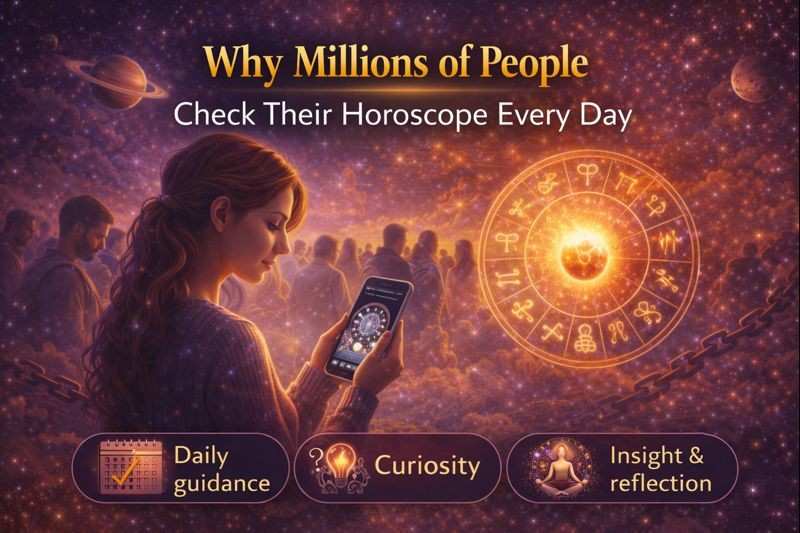
Introduction: A Daily Habit That Spans Cultures and Generations
Every morning, millions of people open astrology apps, browse websites, or glance at newspapers to read their horoscope. Some do it out of curiosity, while others treat it as a daily ritual. This consistent global behavior raises an important question: why people read horoscope content so regularly, even in an age driven by data, logic, and technology.
Rather than being a random habit, horoscope reading fulfills emotional, psychological, cultural, and even practical needs. When you explore the reasons deeply, the popularity of horoscopes begins to make complete sense.
The Human Need for Meaning and Direction
At the core of horoscope reading lies a universal human desire for meaning. People naturally look for patterns that explain their experiences and emotions. Astrology offers a symbolic language that helps individuals interpret daily events and internal feelings.
When life feels uncertain, horoscope predictions provide a sense of narrative. Instead of chaos, people see purpose. Because of this, many readers return to horoscopes each day, seeking reassurance or clarity.
Also Read ;- Why Relationships Fail Repeatedly According to Astrology
Why People Read Horoscope to Prepare for the Day Ahead
Another strong reason why people read horoscope content daily involves preparation. Many readers believe that planetary movements influence mood, decisions, and outcomes. By checking their horoscope, they feel mentally ready for challenges or opportunities.
Even when people do not fully believe in astrology, they still use horoscopes as reflective tools. A daily prediction often encourages caution, optimism, or patience, which can positively shape behavior.
Also Read :- Why Horoscope Predictions Change Over Time
Emotional Comfort and Stress Reduction
Modern life brings constant pressure. Work stress, relationship concerns, financial worries, and health anxiety affect almost everyone. Horoscopes often speak directly to these issues using empathetic language.
As a result, people experience comfort when they read messages that validate their feelings. Knowing that others might face similar struggles reduces emotional isolation. This emotional relief explains why people read horoscope updates during stressful phases.
Also Read :- Common Astrology Myths People Still Believe
Astrology as a Mirror for Self-Reflection
Horoscopes rarely force actions. Instead, they prompt reflection. When a prediction mentions communication challenges or emotional sensitivity, readers often pause and examine their own behavior.
This reflective pause improves self-awareness. Over time, people develop a habit of introspection through astrology. Therefore, daily horoscope reading becomes a personal growth exercise rather than blind belief.
Cultural and Traditional Influence
In many cultures, astrology has deep historical roots. Families pass down astrological beliefs across generations. In countries like India, horoscope matching influences marriage, career planning, and naming ceremonies.
Because of this cultural presence, people grow up watching elders consult astrologers. Consequently, reading horoscopes feels natural rather than superstitious. This cultural continuity strongly answers why people read horoscope content consistently.
A Sense of Control in an Uncertain World
Uncertainty often creates anxiety. Astrology offers a symbolic structure that helps people feel less powerless. When horoscopes explain planetary influences, individuals feel they understand external forces affecting their lives.
Although astrology does not remove uncertainty, it provides a framework to manage it. This perceived control encourages regular engagement with horoscopes.
The Role of Hope and Optimism
Hope plays a powerful role in human psychology. Horoscopes often emphasize possibilities, growth, and improvement. Even cautionary predictions usually include advice or reassurance.
Because of this hopeful tone, people feel motivated rather than discouraged. Many readers return daily because horoscopes remind them that situations can change for the better.
Entertainment with Emotional Value
Horoscope reading also serves as entertainment. Unlike passive entertainment, astrology engages emotions and identity. People enjoy reading content that feels personally tailored.
Since zodiac signs connect directly to personality traits, readers feel seen and understood. This personalized entertainment keeps horoscope consumption high across age groups.
Digital Accessibility and Habit Formation
Technology has transformed horoscope reading into an effortless habit. Mobile apps send daily notifications, while social media shares short predictions instantly.
As accessibility increases, habit formation becomes easier. People no longer search for astrology; astrology finds them. This convenience explains why people read horoscope updates even when they have limited time.
Social Connection and Shared Conversations
Horoscopes often act as social glue. Friends discuss zodiac compatibility, daily predictions, and personality traits during casual conversations.
Because astrology offers a common language, it strengthens social bonds. People read horoscopes so they can participate in these shared discussions.
Identity and Personal Validation
Astrology assigns meaning to personality traits. When a horoscope describes someone as intuitive, ambitious, or compassionate, readers feel validated.
This validation boosts self-esteem. Over time, people identify strongly with their zodiac sign, which reinforces daily reading behavior.
Why People Read Horoscope During Life Transitions
Major life transitions increase horoscope consumption. Career changes, relationship beginnings, breakups, and health concerns drive people toward astrology.
During uncertain phases, people seek guidance more actively. Horoscopes provide emotional grounding and symbolic reassurance during these transitions.
The Difference Between Belief and Use
Not everyone who reads horoscopes fully believes in astrology. Many readers treat predictions as guidance rather than destiny.
This flexible approach allows astrology to coexist with logic and science. Because people do not feel forced to believe blindly, they continue reading without internal conflict.
Psychological Studies and Astrology Appeal
Psychologists often explain horoscope popularity using the Barnum effect. This effect describes how people accept general statements as personally meaningful.
However, astrology’s appeal goes beyond psychology. Emotional resonance, timing, and cultural relevance amplify its impact. This complexity explains why people read horoscope content despite knowing such theories.
Horoscopes as Decision-Support Tools
Some readers use horoscopes as secondary decision tools. While they may not rely entirely on astrology, they consider predictions before making choices.
For example, a horoscope advising caution might encourage delay, while a positive forecast boosts confidence. This subtle influence keeps astrology relevant in daily life.
Astrology and Modern Spirituality
Many people today identify as spiritual rather than religious. Astrology fits naturally into this belief system.
Horoscopes provide spiritual guidance without rigid rules. This flexibility attracts readers who seek meaning without institutional boundaries.
Personalization Through Birth Charts
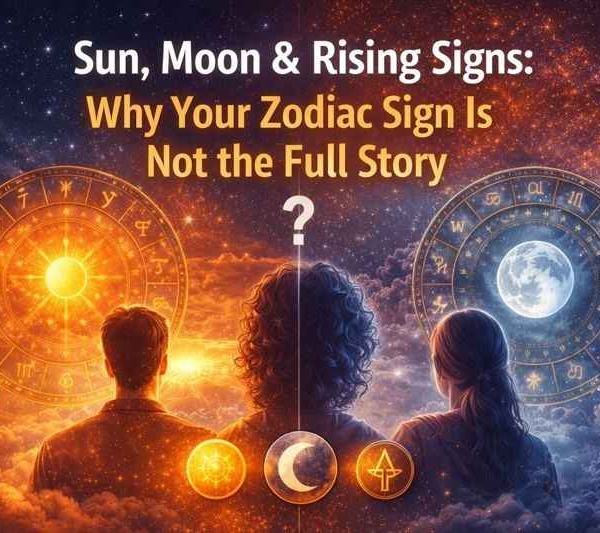
Daily horoscopes often lead readers toward deeper astrological exploration. People who start with Sun sign predictions eventually learn about Moon signs, Ascendants, and birth charts.
This journey increases engagement. Once individuals experience personalized astrology, they value daily horoscope reading even more.
Why People Read Horoscope Despite Skepticism
Skepticism does not prevent curiosity. Many skeptics still read horoscopes for fun or insight.
Because astrology does not demand complete belief, it invites exploration. This openness allows horoscopes to thrive even among rational thinkers.
Astrology as a Language of Timing
Astrology emphasizes timing rather than absolute outcomes. Horoscopes encourage patience during difficult periods and action during favorable phases.
This time-based perspective helps people manage expectations. Readers appreciate guidance that focuses on cycles rather than fixed predictions.
The Role of Routine and Consistency
Daily routines provide stability. Horoscope reading fits easily into morning or bedtime rituals.
Once integrated into routine, people continue reading automatically. Habit reinforces belief, and belief reinforces habit.
Media Influence and Celebrity Culture
Celebrities often discuss astrology openly. Social media influencers share zodiac memes and compatibility charts.
This visibility normalizes horoscope reading. As astrology becomes trendy, more people engage without hesitation.
Astrology and Relationship Understanding
Many people read horoscopes to understand relationships better. Compatibility predictions help explain conflicts or attractions.
While astrology does not replace communication, it offers language to discuss emotional dynamics.
Misconceptions About Horoscope Reading
Some assume horoscope readers lack logic or education. This stereotype ignores the complexity of astrology’s appeal.
In reality, people from diverse backgrounds read horoscopes for various reasons. Emotional intelligence often drives this behavior more than blind belief.
The Balance Between Faith and Free Will
Modern astrology emphasizes choice. Horoscopes suggest tendencies rather than fixed destinies.
This balance reassures readers. People feel empowered rather than controlled, which encourages continued engagement.
Why People Read Horoscope in Times of Global Uncertainty
During global crises, horoscope readership increases. Economic instability, pandemics, and social change push people toward symbolic guidance.
Astrology provides comfort when traditional systems feel unreliable.
Educational Curiosity About Astrology
Some readers approach horoscopes academically. They enjoy learning about planetary movements and symbolic meanings.
This curiosity transforms astrology into an intellectual hobby rather than superstition.
Astrology as a Tool for Emotional Language
Horoscopes often articulate feelings that people struggle to express.
By naming emotions, astrology helps individuals process internal experiences.
Long-Term Loyalty to Horoscope Platforms
Once people find a horoscope source that resonates, loyalty develops. Consistency in tone and accuracy builds trust.
This trust strengthens daily reading habits.
Why People Read Horoscope Even After Disappointment
Even when predictions fail, people return. Astrology does not promise perfection.
Instead, it offers perspective. Readers value interpretation over exact outcomes.
The Future of Horoscope Reading
As technology evolves, astrology adapts. AI-generated horoscopes, personalized predictions, and interactive charts increase engagement.
Rather than fading, horoscope reading continues to grow.
Frequently Asked Questions
Many people check their horoscope daily for guidance, reassurance, curiosity, and a sense of direction as they begin their day.
No. Daily horoscopes usually highlight general themes or moods rather than predicting exact events or outcomes.
Horoscopes often use broad, reflective language that allows readers to connect them with their own experiences and emotions.
Most people do not rely solely on horoscopes for decisions. They often use them as a tool for reflection rather than strict instruction.
Daily horoscopes are simplified versions of astrology. Traditional astrology relies on detailed birth charts rather than only zodiac signs.
Horoscopes can offer emotional comfort, validation, and a feeling of routine, especially during uncertain or stressful times.
Yes. Many people read horoscopes purely for entertainment or curiosity without taking them literally.
Frequently Asked Questions
Why do so many people check their horoscope every day?
Many people check their horoscope daily for guidance, reassurance, curiosity, and a sense of direction as they begin their day.
Is daily horoscope reading about predicting the future?
No. Daily horoscopes usually highlight general themes or moods rather than predicting exact events or outcomes.
Why do horoscopes feel relatable to so many people?
Horoscopes often use broad, reflective language that allows readers to connect them with their own experiences and emotions.
Do people believe horoscopes control their decisions?
Most people do not rely solely on horoscopes for decisions. They often use them as a tool for reflection rather than strict instruction.
Are daily horoscopes based on real astrology?
Daily horoscopes are simplified versions of astrology. Traditional astrology relies on detailed birth charts rather than only zodiac signs.
Why do people find comfort in reading horoscopes?
Horoscopes can offer emotional comfort, validation, and a feeling of routine, especially during uncertain or stressful times.
Is it normal to read horoscopes just for fun?
Yes. Many people read horoscopes purely for entertainment or curiosity without taking them literally.
Conclusion: Understanding the True Reason Behind Daily Horoscope Reading
When you ask why people read horoscope content every day, the answer goes far beyond belief. Astrology meets emotional, psychological, cultural, and social needs simultaneously.
Horoscopes provide meaning, comfort, reflection, and hope in a complex world. They offer guidance without force and insight without judgment.
Because of this unique balance, millions of people continue to read their horoscope daily, not because they must, but because it helps them understand life and themselves a little better.
2 Comments