
Life moves forward because of those who walked before us. Our values, traditions, strengths, and even struggles are shaped by generations we may never have met, yet whose blessings continue to guide us. In Hindu tradition, Pitru Paksha is the sacred time when we consciously pause the rush of life to remember, honor, and express gratitude to our ancestors.
In 2026, Pitru Paksha arrives with profound spiritual importance, reminding families to reconnect with their roots through rituals, prayers, and self-reflection. Far from being a mere religious observance, Pitru Paksha is an emotional and spiritual bridge — one that connects the past, present, and future through gratitude and remembrance.
Also read – Govardhan Puja 2026 & Annakut Utsav: A Divine Tribute to Lord Krishna and Nature’s Grace
What Is Pitru Paksha? Understanding Its Spiritual Meaning
Pitru Paksha, also known as Shraddh Paksha, is a 15-day lunar period dedicated exclusively to honoring one’s ancestors (Pitris). According to Hindu scriptures, this period occurs when the departed souls are believed to visit the earthly realm, hoping for remembrance and offerings from their descendants.
The word “Shraddha” comes from Shraddha (faith and sincerity). This itself reveals the heart of the ritual — intention matters more than extravagance. Food offerings, prayers, charity, and remembrance done with pure devotion are believed to directly reach ancestors and provide them peace and satisfaction.
Spiritually, Pitru Paksha serves three major purposes:
- To express gratitude to ancestors for life and lineage
- To help departed souls attain peace
- To remove Pitru Dosha, which is believed to cause obstacles in health, career, and family life
Thus, Pitru Paksha is not about fear or sorrow — it is about honoring the invisible support system that continues to protect us.
Why Pitru Paksha Is So Important in Hindu Dharma
In Hindu philosophy, human life is said to be supported by three eternal debts (Rinas):
- Deva Rina – Debt to the gods
- Rishi Rina – Debt to sages and teachers
- Pitru Rina – Debt to ancestors
Pitru Paksha exists to repay Pitru Rina. It is believed that neglecting ancestors can lead to imbalance in one’s life, while honoring them brings stability, prosperity, and emotional peace.
Scriptures also mention that ancestors bless families who remember them with devotion, ensuring:
- Family harmony
- Success in endeavors
- Protection from negative energies
- Spiritual growth
Pitru Paksha 2026 Dates and Tithi Calendar


4
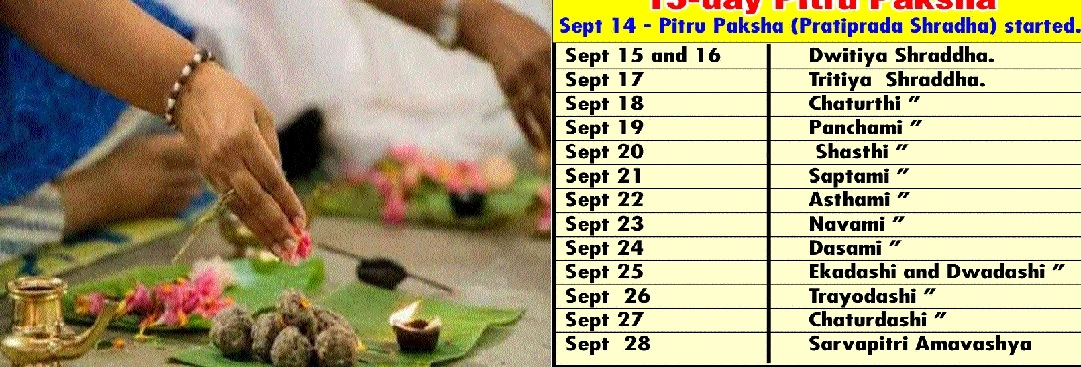
In 2026, Pitru Paksha begins on Saturday, 26 September, and concludes on Saturday, 10 October, ending with Sarva Pitru Amavasya, the most significant day of the entire period.
Pitru Paksha 2026 – Complete Tithi List
- September 26, Saturday – Purnima Shraddh
- September 27, Sunday – Pratipada Shraddh
- September 28, Monday – Dwitiya Shraddh
- September 29, Tuesday – Tritiya Shraddh
- September 30, Wednesday – Chaturthi Shraddh
- October 1, Thursday – Panchami Shraddh
- October 2, Friday – Shashthi Shraddh
- October 3, Saturday – Saptami Shraddh
- October 4, Sunday – Ashtami & Navami Shraddh
- October 5, Monday – Dashami Shraddh
- October 6, Tuesday – Ekadashi Shraddh
- October 7, Wednesday – Dwadashi Shraddh
- October 8, Thursday – Trayodashi Shraddh
- October 9, Friday – Chaturdashi Shraddh
- October 10, Saturday – Sarva Pitru Amavasya
If you are unsure of the exact death tithi of your ancestors or cannot perform rituals on specific days, Sarva Pitru Amavasya is considered a universal day to honor all departed souls together.
Rituals Performed During Pitru Paksha

4
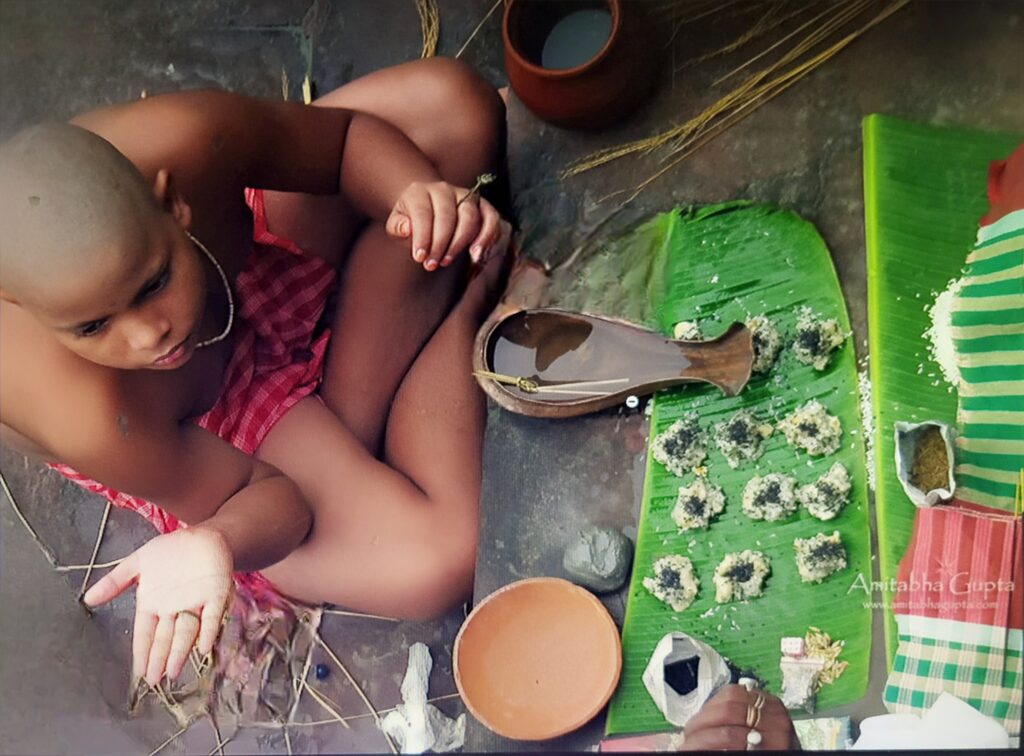
1. Shraddh Ceremony
Shraddh involves offering cooked food, prayers, and donations in the name of ancestors. Traditionally, it is performed by the eldest male or female descendant, though modern practices welcome anyone performing with devotion.
2. Tarpan
Tarpan is a water-offering ritual performed daily or on specific tithis. It symbolizes nourishment and remembrance.
3. Pinda Daan
Rice balls (pindas) are offered as symbolic food for ancestors, representing physical and subtle nourishment.
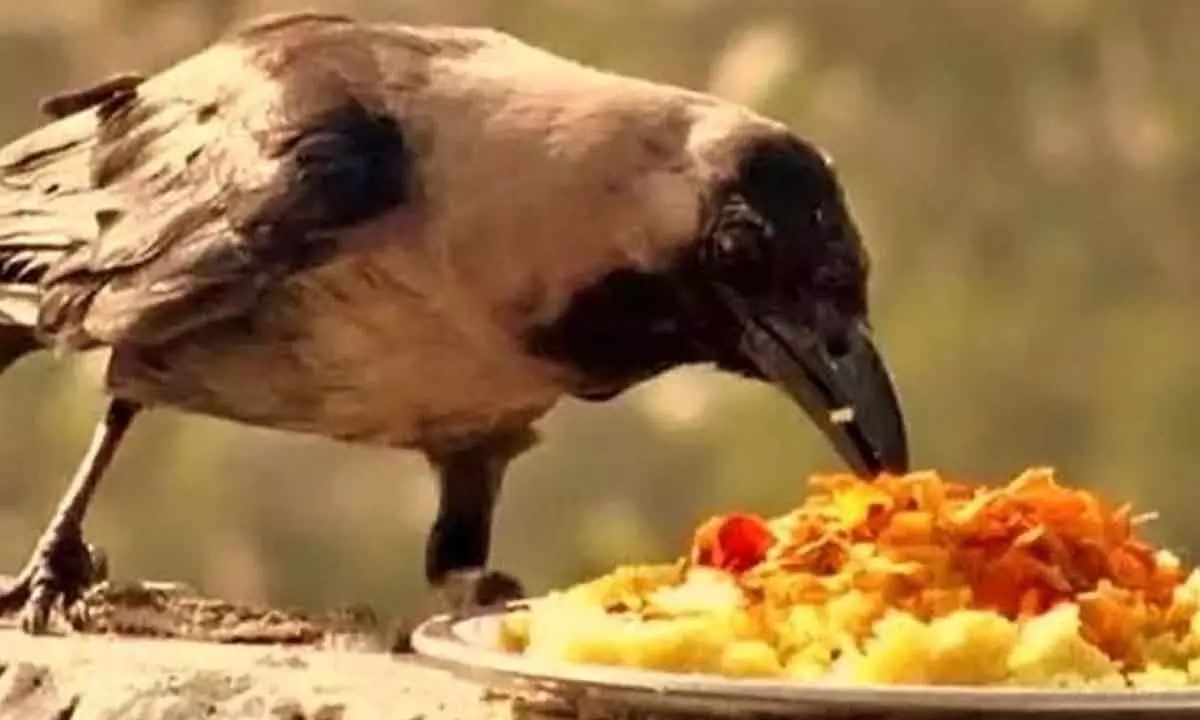
4. Feeding Living Beings
Crows, cows, dogs, ants, and fish are fed as they are believed to act as messengers between realms.
Simple Tarpan Ritual You Can Perform at Home
Even without elaborate arrangements, a simple Tarpan done with sincerity is spiritually powerful.
Step-by-Step Guide
- Wake up early, bathe, and wear clean clothes
- Sit facing south
- Take water mixed with sesame seeds, barley, and kusa grass
- Slowly pour the water while chanting:
“Om Pitru Devatabhyo Namah” - Remember your ancestors silently and express gratitude
This simple act helps maintain ancestral harmony and spiritual balance.
Do’s During Pitru Paksha
To ensure rituals bring positive results:
- Maintain purity of thoughts and actions
- Eat satvik (vegetarian) food
- Offer food before consuming meals
- Donate food, clothes, grains, and essentials
- Serve elders and the needy with respect
Don’ts During Pitru Paksha
Avoid activities that disturb spiritual balance:
- No new business ventures or property purchases
- Avoid weddings, celebrations, or inaugurations
- Do not consume alcohol, meat, onion, or garlic
- Avoid arguments, ego, and harsh speech
- Do not disrespect nature or living beings
Pitru Paksha and Modern Life: Why It Still Matters
In today’s fast-paced, digital world, Pitru Paksha offers a rare opportunity to slow down and reflect. It teaches values often forgotten:
- Gratitude over entitlement
- Reflection over constant action
- Connection over isolation
Even for those who live away from family or follow modern lifestyles, Pitru Paksha can be observed through remembrance, charity, and mindful living.
Spiritual Benefits of Observing Pitru Paksha
Those who observe Pitru Paksha with sincerity are believed to receive:
- Relief from ancestral karmic burdens
- Improved family harmony
- Mental peace and emotional grounding
- Success through unseen blessings
The rituals also create emotional healing, especially for those carrying unresolved grief.
Conclusion: Carrying Ancestral Gratitude Forward
Pitru Paksha 2026 is not merely a ritualistic observance — it is a reminder of continuity. When we honor our ancestors, we acknowledge that our lives are part of a much larger journey.
By observing the correct tithis, following the do’s and don’ts, and performing even a simple Tarpan, we build a timeless bridge of gratitude. In honoring those who came before us, we strengthen our present and bless our future generations.

1 Comment