
Pitru Paksha 2026: Shraddh Dates, Tithi Calendar, Tarpan Vidhi & Remedies
Life moves forward because of the foundation laid by those who walked before us. In Hindu dharma, human life is supported by three eternal debts, the most profound being Pitru Rina—our debt to our ancestors. Every year, the 16-day lunar period of Pitru Paksha serves as a sacred window to pause our fast-paced lives, honor our departed forefathers (Pitrs), and clear these karmic ties.
Depending on your family’s roots, you might know these 16 days by different names. In Rajasthan, Haryana, and Delhi, families observe Kanagat. Across Uttar Pradesh and Bihar, it is known as Pitar Paksh or Sorah Shraddh. In Bengal, the period culminates in Mahalaya, while South Indian traditions observe Mahalaya Paksha. But no matter the regional language, the spiritual core of the observance is identical: expressing deep gratitude, offering symbolic nourishment, and seeking ancestral blessings for family harmony and prosperity.
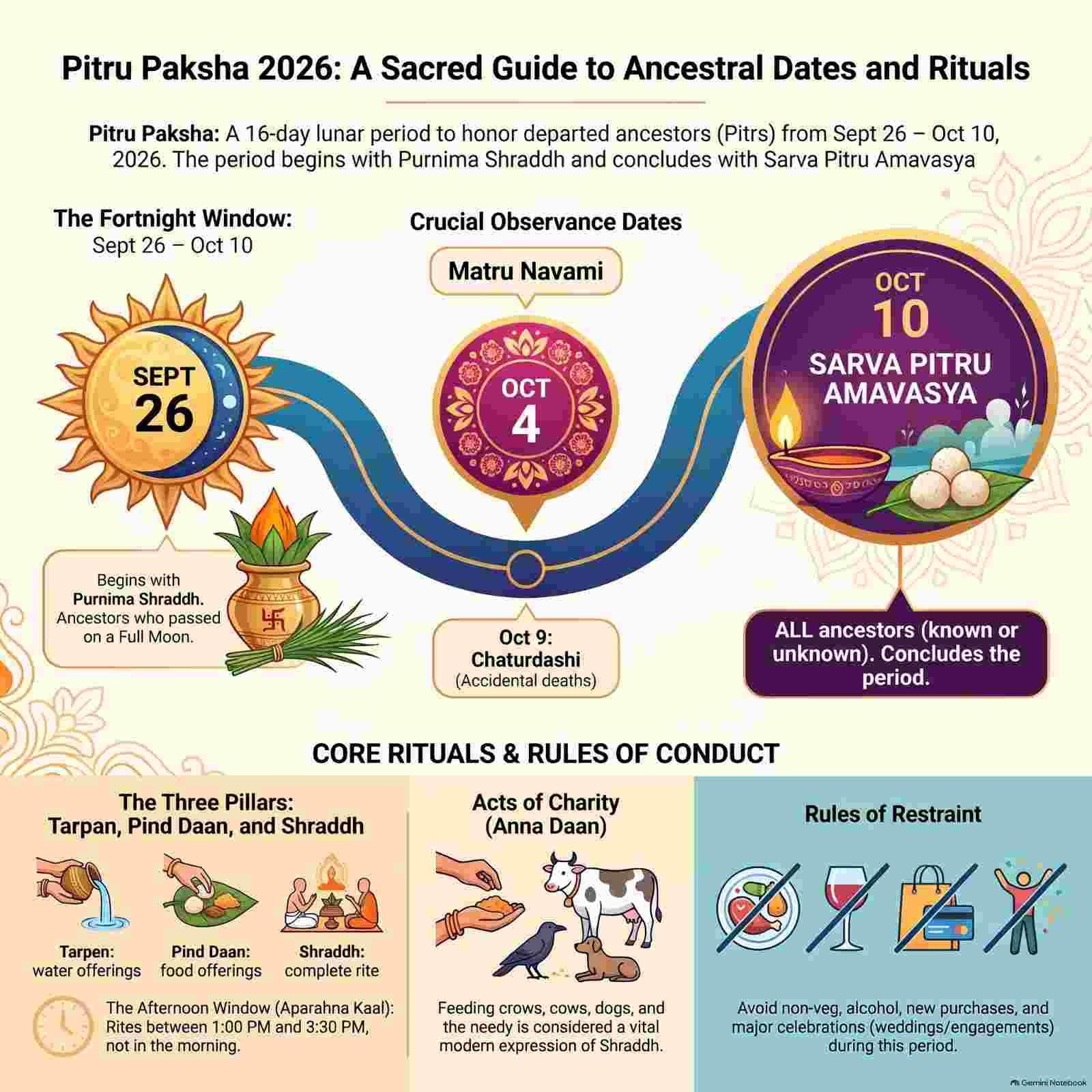
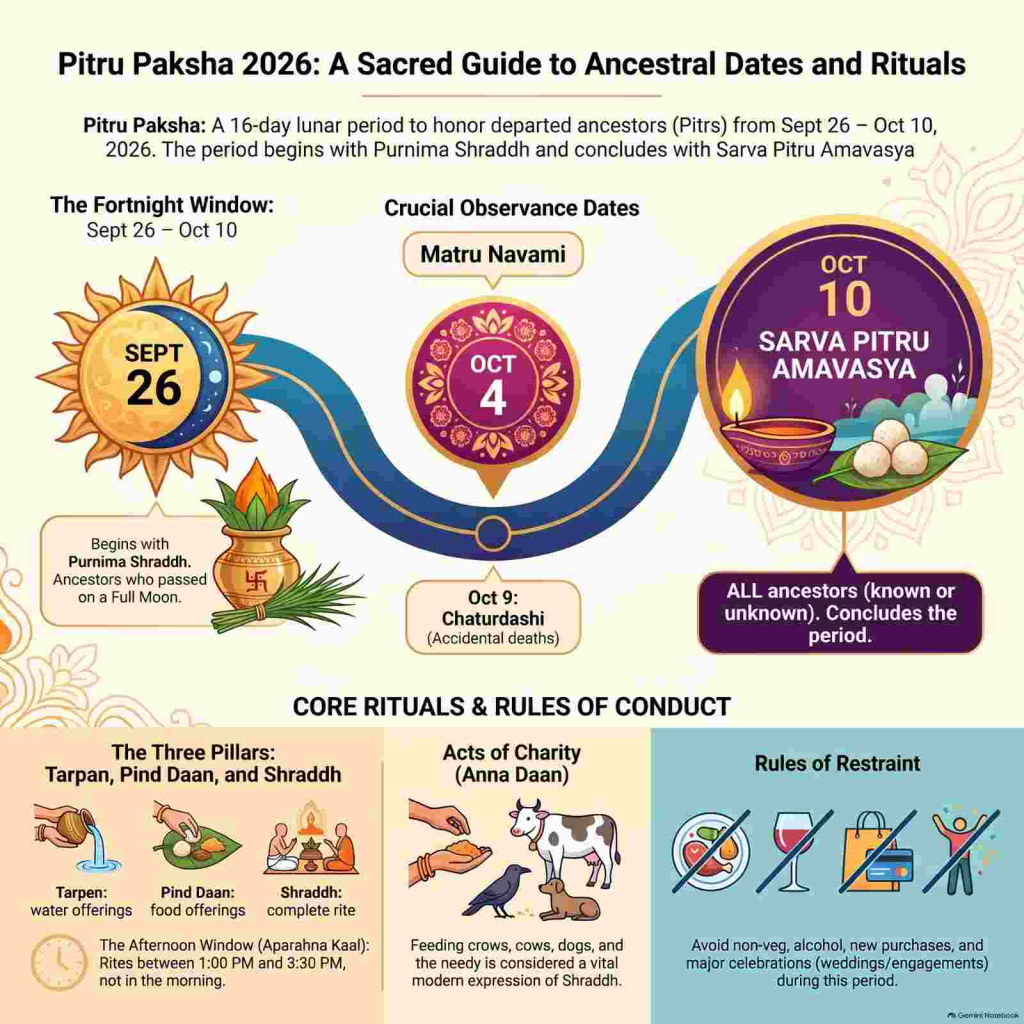
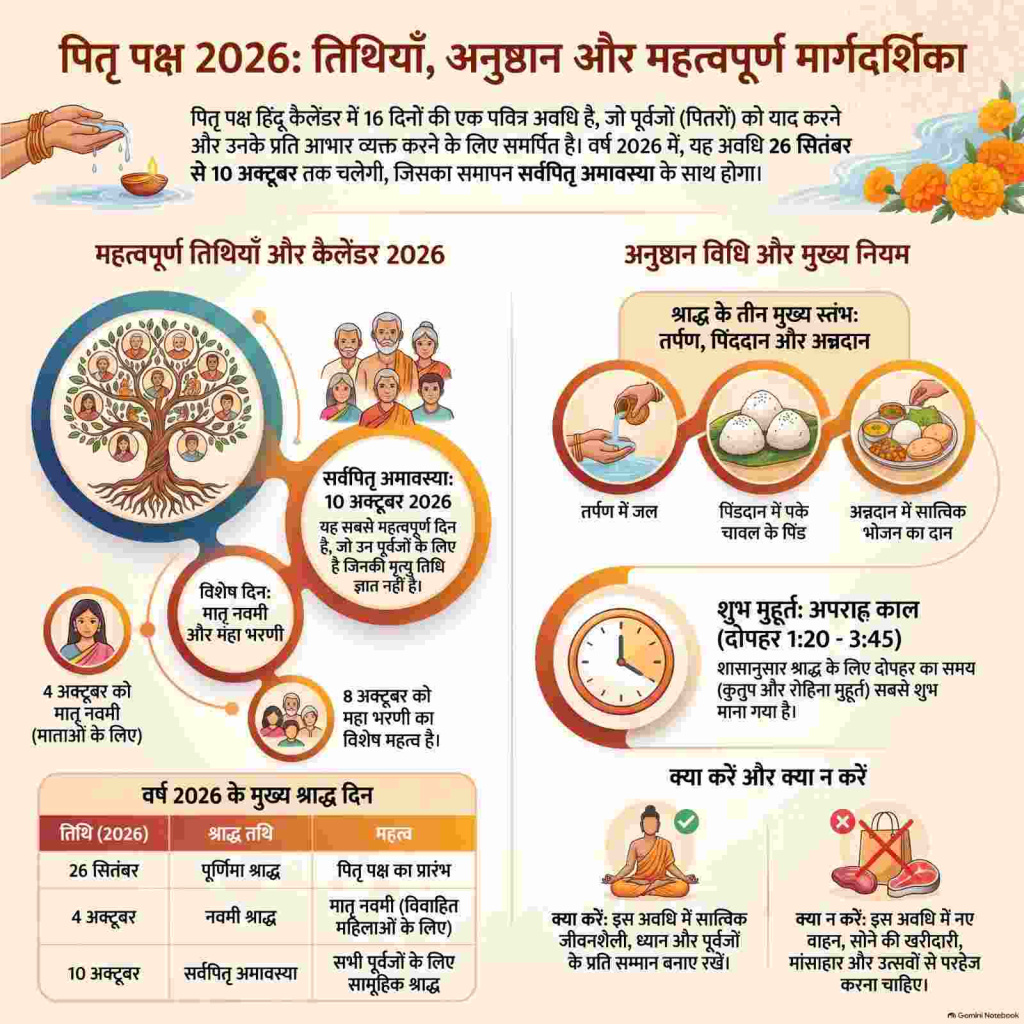
In 2026, Pitru Paksha begins on Saturday, 26 September (Purnima Shraddh) and concludes on Saturday, 10 October with the highly significant Sarva Pitru Amavasya.
⏳ Pitru Paksha 2026: Quick Summary
- ✔️ 2026 Dates: Saturday, 26 September to Saturday, 10 October 2026.
- ✔️ The Core Rule: Shraddh must be performed on the exact Hindu Tithi (lunar day) of your ancestor’s passing, not the English date.
- ✔️ Unknown Date? If you don’t know the exact date, observe Sarva Pitru Amavasya (10 October) for all ancestors.
- ✔️ Restrictions: Avoid new purchases, property deals, weddings, and non-vegetarian food during these 16 days.
- ✔️ Expert Help: Use Shloka.life to instantly convert English dates to Tithis, check Pitra Dosha, or book online Pandits.
This guide is verified by Shloka’s senior Vedic astrologers and aligns with the Dharma Shastras and Garuda Purana. Timings are calculated using standard Drik Panchang rules.
According to Vedic scriptures, during this fortnight in the Krishna Paksha, the souls of our ancestors transition closer to the earthly realm. By performing Shraddh, Tarpan, and Pind Daan with absolute sincerity (Shraddha), we help them attain peace. Conversely, neglecting these duties is believed to invite Pitru Dosha—an ancestral astrological imbalance known to cause unexplained blockages in career growth, financial stability, and marital harmony.
Unsure about your family’s exact Shraddh date or how to perform the rites?
Do not let modern busy schedules or confusion break your ancestral traditions. Download the Shloka App today to:
- Chat with top astrologers (first 5 mins free) to convert an English death date into the exact Hindu Tithi.
- Generate your free Kundli to check for underlying Pitru Dosha.
- Book a verified online Pandit to perform Sankalp and Tarpan on your behalf.
Pitru Paksha 2026: Complete Tithi & Dates Calendar
One of the most common mistakes modern families make is observing the death anniversary based on the English calendar date. In Vedic tradition, Shraddh must be performed on the exact Hindu Tithi (lunar day) the ancestor passed away.
Below is the complete 2026 calendar mapping the English dates to their corresponding Shraddh Tithis.
| Date (2026) | Day | Tithi / Observance | Who it is for |
|---|---|---|---|
| Sept 26 | Saturday | Purnima Shraddh | Ancestors who passed on a Purnima |
| Sept 27 | Sunday | Pratipada Shraddh | Maternal grandparents in many families |
| Sept 28 | Monday | Dwitiya Shraddh | Ancestors who passed on Dwitiya |
| Sept 29 | Tuesday | Tritiya Shraddh | Ancestors who passed on Tritiya |
| Sept 30 | Wednesday | Chaturthi Shraddh | Ancestors who passed on Chaturthi |
| Oct 1 | Thursday | Panchami Shraddh | Those who passed unmarried |
| Oct 2 | Friday | Shashthi Shraddh | Ancestors who passed on Shashthi |
| Oct 3 | Saturday | Saptami Shraddh | Ancestors who passed on Saptami |
| Oct 4 | Sunday | Ashtami & Navami | Matri Navami: For mothers & married women |
| Oct 5 | Monday | Dashami Shraddh | Ancestors who passed on Dashami |
| Oct 6 | Tuesday | Ekadashi Shraddh | Also kept for departed ancestors (Indira Ekadashi) |
| Oct 7 | Wednesday | Dwadashi Shraddh | Traditionally for those who had taken Sanyas |
| Oct 8 | Thursday | Trayodashi Shraddh | Ancestors who passed on Trayodashi |
| Oct 9 | Friday | Chaturdashi Shraddh | For those who died an accidental or untimely death |
| Oct 10 | Saturday | Sarva Pitru Amavasya | All ancestors, especially those whose Tithi is unknown |
Note: Tithis shift based on your city’s exact sunrise time. Chat with our Free AI Astrologer to convert your ancestor’s exact English date of passing into the correct Hindu Tithi for your timezone instantly.
Modern Dilemmas: How to Observe Pitru Paksha in 2026
Many families want to honor their ancestors but feel blocked by modern constraints, geographical distance, or a lack of specific knowledge. Tradition is actually highly adaptable. Here is how Hindu Dharma accommodates today’s realities:
1. “I only know the English date of death, not the Hindu Tithi.” This is the most common hurdle. Shraddh must be performed on the exact Tithi (lunar phase) of passing, which shifts on the English calendar every year. If you know the exact English date and year of death, it can easily be converted.
Quick Fix: Use the Shloka Free AI Astrologer to instantly calculate your family’s exact Hindu Tithi.
If the date is entirely forgotten or records were lost, tradition provides a powerful safety net: Sarva Pitru Amavasya (Saturday, 10 October 2026). This final day is specifically designated as a universal observance for all departed souls, known and unknown.
2. “Can a daughter or wife perform Shraddh?” Yes. While conventionally led by the eldest son, this is not a rigid restriction. Several Dharma Shastras and modern spiritual authorities agree that a daughter, widow, or younger sibling can perform Shraddh and Pind Daan, particularly when there is no son. The root of the word Shraddh is Shraddha (faith and devotion). A rite performed with pure intention by a child who loved the departed is spiritually valid and respected.
3. “I live abroad or cannot perform the rituals myself.” For NRIs or professionals navigating demanding work schedules, arranging a full ritual at home or traveling to a sacred Tirtha (like Gaya or Prayagraj) is not always possible. Tradition allows a qualified Purohit to perform the rites on your behalf. By taking a Sankalp using your specific name and family Gotra, the spiritual benefits and ancestral blessings transfer directly to your lineage.
Distance shouldn’t break your traditions. Book a verified Shloka Pandit online to perform Sankalp and Tarpan on your behalf during Pitru Paksha.
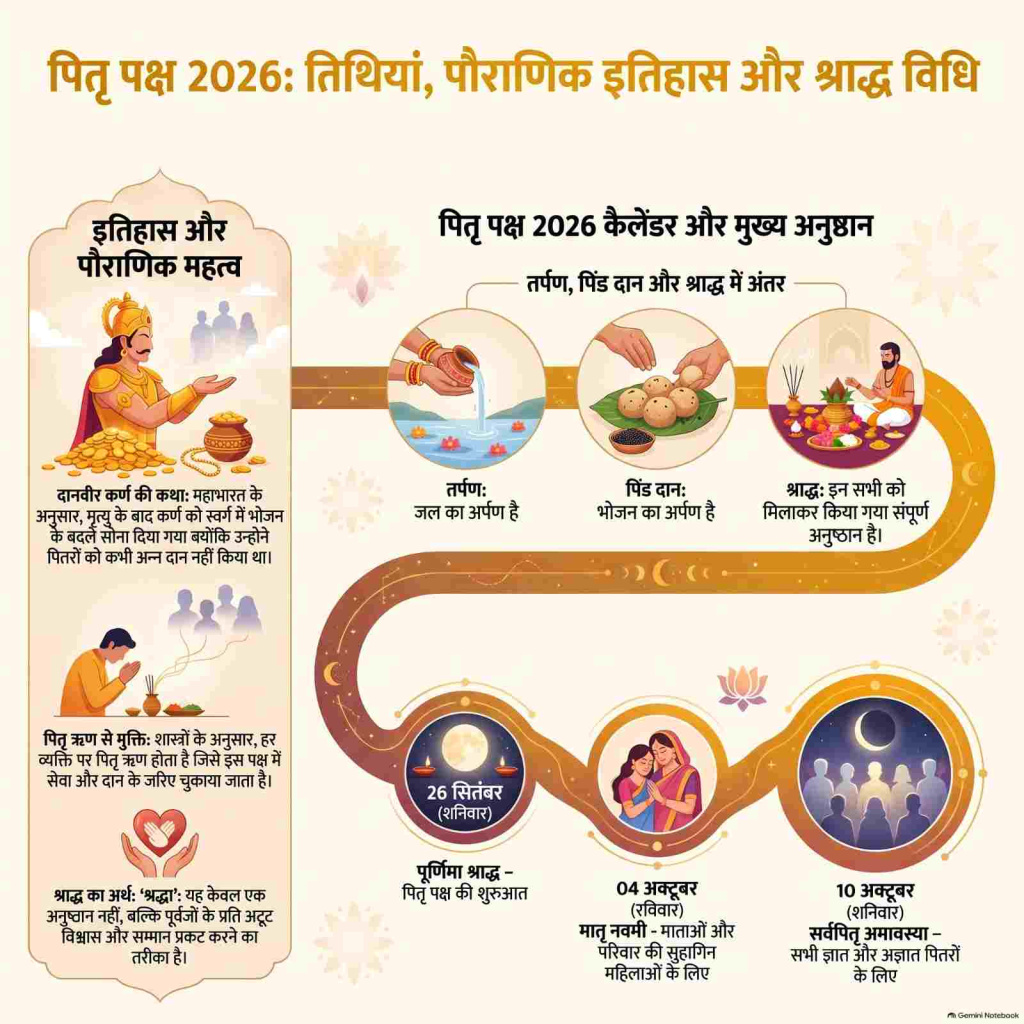
Understanding the Rites: Tarpan vs. Pind Daan vs. Shraddh
Families regularly confuse these three terms, sometimes arranging one believing they have completed another. To ensure you are performing the correct rituals, it is vital to know the distinction:
| The Rite | What It Is | How & When It Is Done |
|---|---|---|
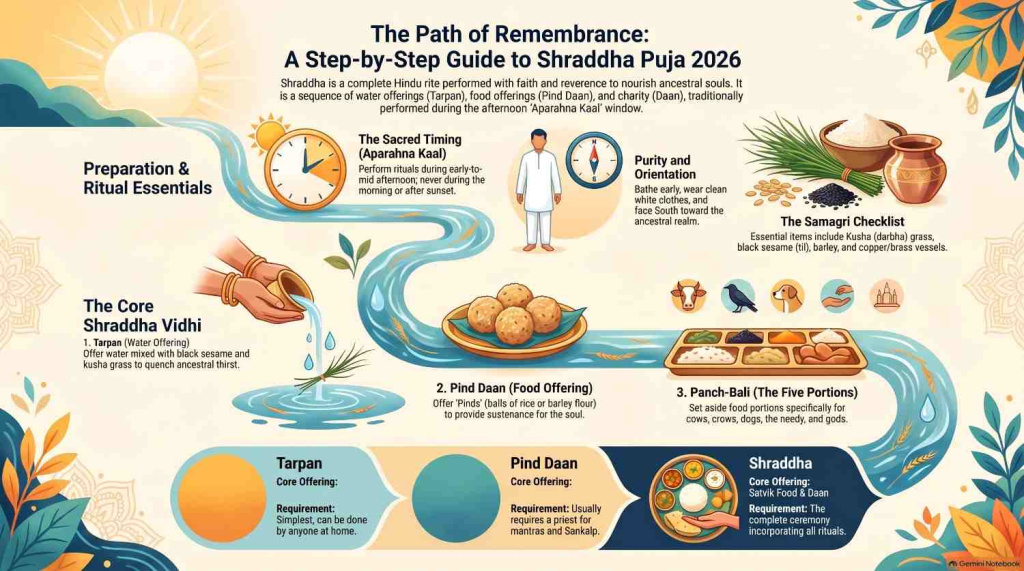
| Tarpan | The offering of water mixed with black sesame seeds (kala til) and kusha grass, poured while remembering ancestors by name. | The simplest of the three. It can be done every morning of the 16-day fortnight by anyone in the household. No priest is required. |
| Pind Daan | The offering of Pind (balls made of cooked rice or barley flour mixed with ghee, til, and honey) as symbolic nourishment for the soul’s journey. | Performed on the specific ancestor’s Tithi, or on Sarva Pitru Amavasya. Usually requires a Purohit to guide the mantras. |
| Shraddh | The complete overarching ritual. It includes Sankalp, Tarpan, Pind Daan, feeding Brahmins, and offering food to the cow, crow, and dog. | Performed specifically on the ancestor’s Tithi. Tarpan and Pind Daan are components of a full Shraddh, not substitutes for it. |
When to Perform the Rites: The Afternoon Rule Shraddh is never performed in the early morning or after sunset. It must be conducted during the Aparahna Kaal (afternoon), specifically during the highly auspicious Kutup or Rohina muhurats.
Crucial Note: These afternoon windows shift every single day based on your city’s exact sunrise. A panchang printed for Delhi will give the wrong time for someone in Mumbai or New York. [Check the Shloka App today’s Panchang feature to get the exact Kutup Muhurat for your GPS location].
Essential Shraddh & Tarpan Samagri (Checklist)
You do not need expensive items. Purity of intention matters most. Gather these the night before:
- ✔️ For Tarpan: Kusha grass (Darbha), black sesame seeds (Kala til), barley (Jau), and a copper or brass vessel (avoid steel/plastic).
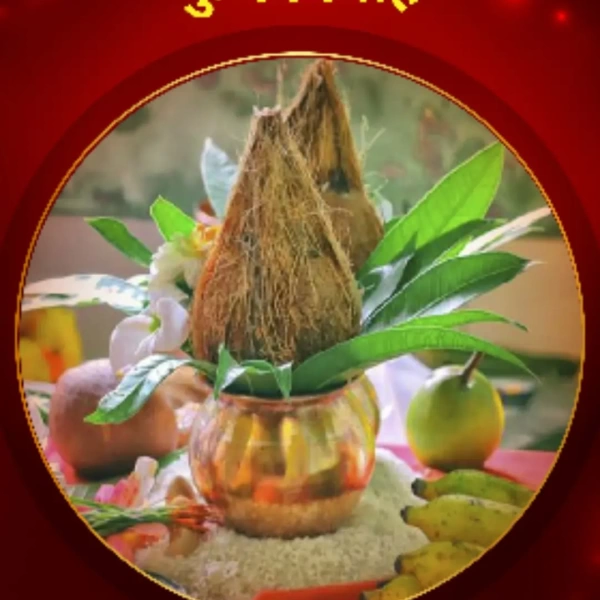
- ✔️ The Setup: A clean Pooja thali, white cloth, Kalash, and Kalava.
- ✔️ For Lighting: Cow ghee, cotton wicks, a diya, camphor, and plain dhoop (avoid heavy artificial fragrances).
- ✔️ Offerings: White flowers, cooked rice for Pind, and Satvik food (including the departed’s favorite dish).
Pitra Dosha: The Astrological Impact of Ancestral Imbalance
In Vedic astrology, our lives are deeply intertwined with the karma of our lineage. When ancestors are forgotten, or their final rites are left incomplete, it is believed to create an astrological affliction in a descendant’s birth chart known as Pitra Dosha.
Rather than a “curse,” Pitra Dosha is viewed as a karmic debt demanding resolution. It often manifests in daily life through frustrating, recurring patterns that logic cannot easily explain:
- Unexplained blockages in career growth or sudden financial drains.
- Constant family disputes and a lack of domestic harmony.
- Unwarranted delays in marriage or complications in childbirth.
- Lingering health issues that resist standard treatments.
Pitru Paksha is universally considered the most powerful time of the entire year to perform remedies for Pitra Dosha. By observing the Shraddh rituals, offering charity, and expressing genuine remorse and gratitude, families can clear these blockages and invite ancestral blessings.
Are recurring obstacles holding you back?
Do not let unseen karmic debts delay your progress. Check if Pitra Dosha is present in your birth chart.
- Generate your detailed Kundli instantly for free.
- Identify specific planetary combinations causing ancestral blockages.
- Get personalized, easy-to-perform remedies from top Vedic astrologers.
Essential Do’s and Don’ts During Pitru Paksha
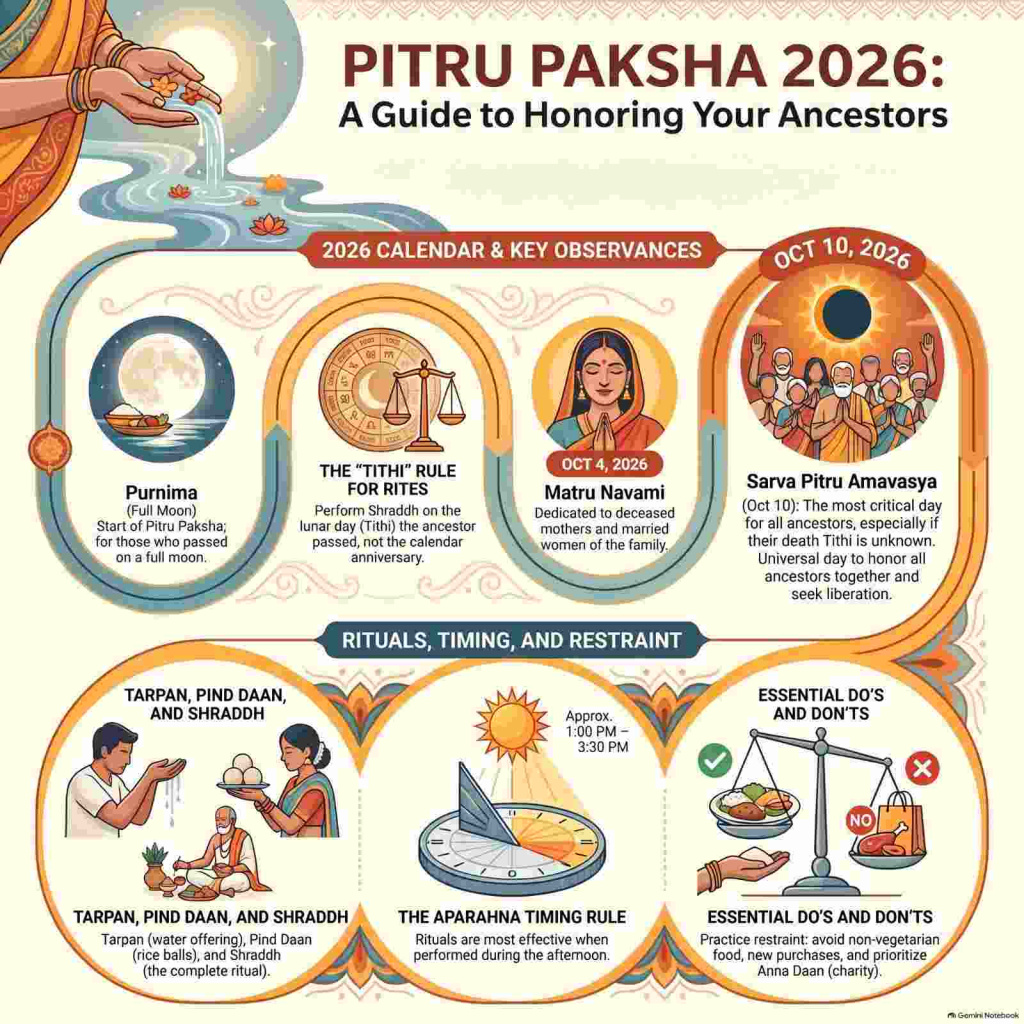
To ensure your rituals bring positive results and maintain the sanctity of this 16-day period, tradition prescribes specific behavioral and dietary guidelines.
The Do’s (What to Practice):
- Maintain a Satvik Diet: Consume strictly vegetarian food. Avoid onion, garlic, and heavy spices.
- Feed the Messengers: Before the family eats on the Shraddh day, extract a portion of the food for cows (Gau-seva), crows (Kakbali), and dogs (Shvanbali). They are considered earthly messengers for the Pitrs.
- Offer Charity (Daan): Donating clothes, grains (especially black sesame and barley), and feeding the needy on your ancestor’s Tithi yields immense spiritual merit.
- Practice Celibacy and Peace: Maintain purity of thought, avoid harsh speech, and keep the home environment peaceful.
The Don’ts (What to Avoid):
- Pause Mangal Karyas: Do not schedule weddings, engagements, or Griha Pravesh (housewarming) ceremonies during these 16 days.
- Defer Major Purchases: Hold off on buying new vehicles, property, gold, or luxury items. (The restraint lifts immediately after Sarva Pitru Amavasya, right in time for Navratri shopping).
- Avoid Tamasic Consumables: Strictly abstain from alcohol, tobacco, and non-vegetarian food.
- Do Not Start New Ventures: Avoid launching new businesses or signing major strategic partnerships until the fortnight concludes.
Carrying Ancestral Gratitude Forward
Pitru Paksha is far more than a set of restrictive rules or complex rituals; it is an emotional and spiritual bridge. It teaches us that while we strive for the future, we stand firmly on the sacrifices of the past.
In today’s hyper-connected yet often isolated world, these 16 days force us to slow down. Whether you perform a full hour-long Shraddh ceremony with a Purohit, or simply pour a quiet lota of water with black sesame seeds from your balcony while remembering your grandparents, the intention is what reaches them.
When Sarva Pitru Amavasya concludes on October 10, the somber energy instantly shifts. The very next morning, Sharad Navratri begins (Sunday, 11 October 2026), opening the most festive and auspicious stretch of the Hindu calendar. By honoring those who came before us, we step into the festive season with a clean slate, strengthened roots, and the invisible, protective blessings of our ancestors.
What Is Pitru Paksha? Understanding Its Spiritual Meaning
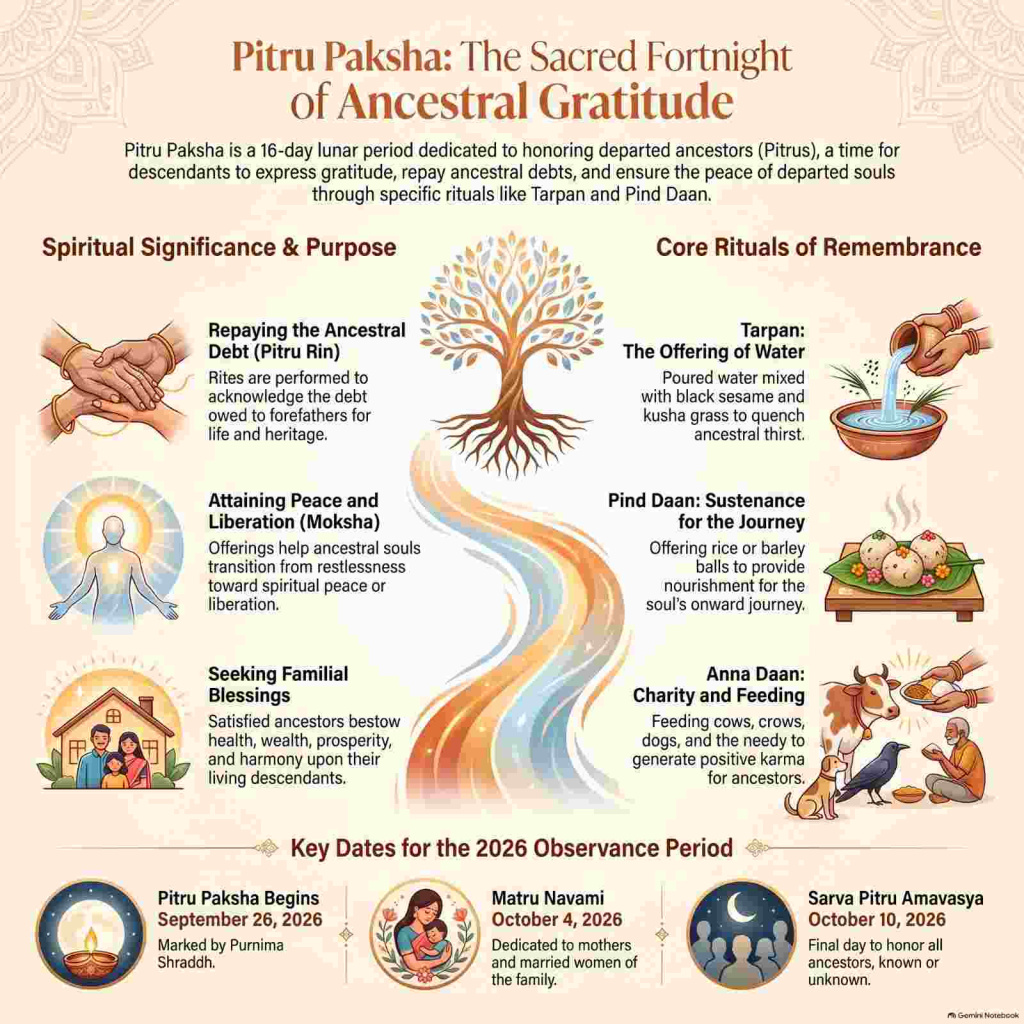
Pitru Paksha, also known as Shraddh Paksha, is a 15-day lunar period dedicated exclusively to honoring one’s ancestors (Pitris). According to Hindu scriptures, this period occurs when the departed souls are believed to visit the earthly realm, hoping for remembrance and offerings from their descendants.
The word “Shraddha” comes from Shraddha (faith and sincerity). This itself reveals the heart of the ritual — intention matters more than extravagance. Food offerings, prayers, charity, and remembrance done with pure devotion are believed to directly reach ancestors and provide them peace and satisfaction.
Spiritually, Pitru Paksha serves three major purposes:
- To express gratitude to ancestors for life and lineage
- To help departed souls attain peace
- To remove Pitru Dosha, which is believed to cause obstacles in health, career, and family life
Thus, Pitru Paksha is not about fear or sorrow — it is about honoring the invisible support system that continues to protect us.
Why Pitru Paksha Is So Important in Hindu Dharma
In Hindu philosophy, human life is said to be supported by three eternal debts (Rinas):
- Deva Rina – Debt to the gods
- Rishi Rina – Debt to sages and teachers
- Pitru Rina – Debt to ancestors
Pitru Paksha exists to repay Pitru Rina. It is believed that neglecting ancestors can lead to imbalance in one’s life, while honoring them brings stability, prosperity, and emotional peace.
Scriptures also mention that ancestors bless families who remember them with devotion, ensuring:
- Family harmony
- Success in endeavors
- Protection from negative energies
- Spiritual growth
Pitru Paksha 2026 Dates and Tithi Calendar
In 2026, Pitru Paksha begins on Saturday, 26 September, and concludes on Saturday, 10 October, ending with Sarva Pitru Amavasya, the most significant day of the entire period.
Pitru Paksha 2026 – Complete Tithi List
- September 26, Saturday – Purnima Shraddh
- September 27, Sunday – Pratipada Shraddh
- September 28, Monday – Dwitiya Shraddh
- September 29, Tuesday – Tritiya Shraddh
- September 30, Wednesday – Chaturthi Shraddh
- October 1, Thursday – Panchami Shraddh
- October 2, Friday – Shashthi Shraddh
- October 3, Saturday – Saptami Shraddh
- October 4, Sunday – Ashtami & Navami Shraddh
- October 5, Monday – Dashami Shraddh
- October 6, Tuesday – Ekadashi Shraddh
- October 7, Wednesday – Dwadashi Shraddh
- October 8, Thursday – Trayodashi Shraddh
- October 9, Friday – Chaturdashi Shraddh
- October 10, Saturday – Sarva Pitru Amavasya
If you are unsure of the exact death tithi of your ancestors or cannot perform rituals on specific days, Sarva Pitru Amavasya is considered a universal day to honor all departed souls together.
Rituals Performed During Pitru Paksha
4
1. Shraddh Ceremony
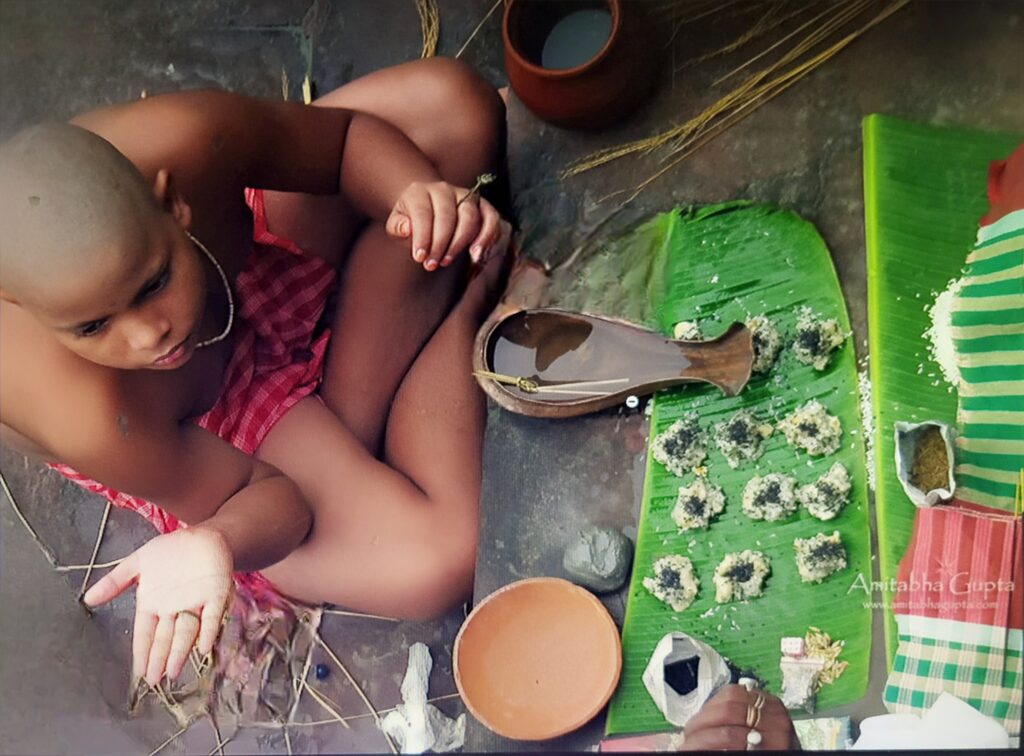
Shraddh involves offering cooked food, prayers, and donations in the name of ancestors. Traditionally, it is performed by the eldest male or female descendant, though modern practices welcome anyone performing with devotion.
2. Tarpan
Tarpan is a water-offering ritual performed daily or on specific tithis. It symbolizes nourishment and remembrance.
3. Pinda Daan
Rice balls (pindas) are offered as symbolic food for ancestors, representing physical and subtle nourishment.
4. Feeding Living Beings
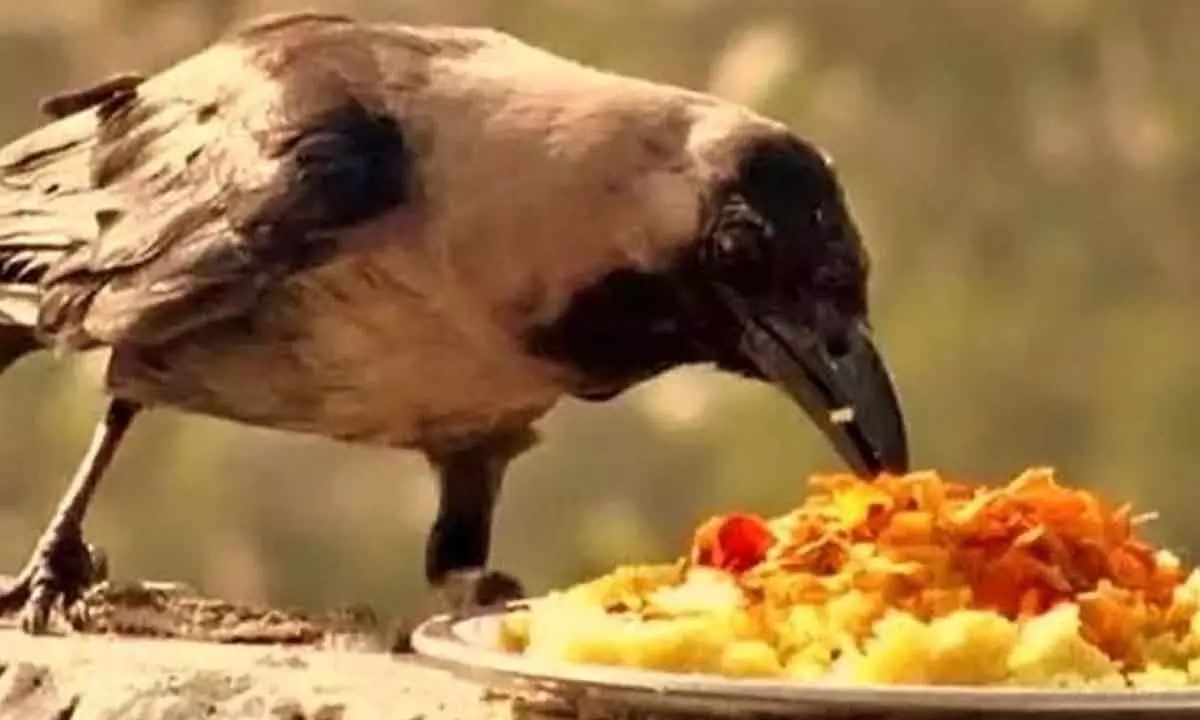
Crows, cows, dogs, ants, and fish are fed as they are believed to act as messengers between realms.
Simple Tarpan Ritual You Can Perform at Home
Even without elaborate arrangements, a simple Tarpan done with sincerity is spiritually powerful.
Step-by-Step Guide
- Wake up early, bathe, and wear clean clothes
- Sit facing south
- Take water mixed with sesame seeds, barley, and kusa grass
- Slowly pour the water while chanting:
“Om Pitru Devatabhyo Namah” - Remember your ancestors silently and express gratitude
This simple act helps maintain ancestral harmony and spiritual balance.
Pitru Paksha and Modern Life: Why It Still Matters
In today’s fast-paced, digital world, Pitru Paksha offers a rare opportunity to slow down and reflect. It teaches values often forgotten:
- Gratitude over entitlement
- Reflection over constant action
- Connection over isolation
Even for those who live away from family or follow modern lifestyles, Pitru Paksha can be observed through remembrance, charity, and mindful living.
Spiritual Benefits of Observing Pitru Paksha
Those who observe Pitru Paksha with sincerity are believed to receive:
- Relief from ancestral karmic burdens
- Improved family harmony
- Mental peace and emotional grounding
- Success through unseen blessings
The rituals also create emotional healing, especially for those carrying unresolved grief.
Frequently Asked Questions (Pitru Paksha 2026)
When is Pitru Paksha in 2026?
Pitru Paksha 2026 runs from Saturday, 26 September (Purnima Shraddh) to Saturday, 10 October 2026, concluding with Sarva Pitru Amavasya.
What is the difference between Shraddh, Tarpan, and Pind Daan?
Tarpan is the offering of water with black sesame seeds, which can be done daily. Pind Daan is the offering of rice/barley balls (Pind) as spiritual nourishment. Shraddh is the complete ritual performed on the ancestor’s specific Tithi, which includes both Tarpan and Pind Daan along with charity and feeding the needy.
What if I don’t know my ancestor’s exact Shraddh Tithi?
If the exact lunar day (Tithi) of passing is unknown, or if you only know the English calendar date, you can perform the Shraddh rituals on Sarva Pitru Amavasya (10 October 2026), the universal day for all ancestors.
Can a daughter or younger son perform Shraddh?
Yes. While traditionally led by the eldest son, many Dharma Shastras and modern practices permit a daughter, widow, or younger sibling to perform Shraddh and Pind Daan, especially when there is no son. Devotion (Shraddha) is the most important element.
Why is Pitru Paksha also called Kanagat?
In regions like Rajasthan, Haryana, Delhi, and UP, Pitru Paksha is commonly referred to as Kanagat. This name stems from the Sun’s transit through the Kanya (Virgo) Rashi during this period. It refers to the exact same 16-day Shraddh observance.
What happens if I miss my ancestor’s Shraddh Tithi during the 16 days?
If you miss the specific date due to illness, travel, or forgetting, do not worry. You can make up for it by performing the rites on the final day, Sarva Pitru Amavasya.
Can we buy new clothes or property during Pitru Paksha?
Tradition advises deferring the purchase of luxury items, new vehicles, property, or gold during these 16 days. The restraint lifts the morning after Amavasya, perfectly timed for Sharad Navratri.
Conclusion: Carrying Ancestral Gratitude Forward
Pitru Paksha 2026 is not merely a ritualistic observance — it is a reminder of continuity. When we honor our ancestors, we acknowledge that our lives are part of a much larger journey.
By observing the correct tithis, following the do’s and don’ts, and performing even a simple Tarpan, we build a timeless bridge of gratitude. In honoring those who came before us, we strengthen our present and bless our future generations.
References & Authoritative Sources
The timings, rituals, and astrological guidelines detailed in this article have been fact-checked by senior Vedic astrologers and align with classical Hindu scriptures:
- Garuda Purana (Preta Khanda): The primary Vedic scripture detailing the soul’s journey, the spiritual significance of Pind Daan, and the karmic impact of Pitru Dosha.
- Nirnayasindhu & Dharma Sindhu: The classical Dharma Shastra texts that define the specific rules for Pitru Paksha, including Aparahna Kaal Muhurats, the Barsi (first-year) exception, and the eligibility of women to perform Shraddh.
- Shloka Vedic Astrological Engine: Used for computing the exact 2026 Tithi conversions, location-specific Kutup/Rohina Muhurats, and identifying Pitra Dosha planetary alignments. Access verified tools at Shloka.life.
- Standard Astronomical Ephemeris (2026): Verified solar and lunar planetary tracking for the Ashwin Krishna Paksha and the Sun’s transit into Kanya (Virgo) Rashi, ensuring precise date mappings.

1 Comment